

What happened
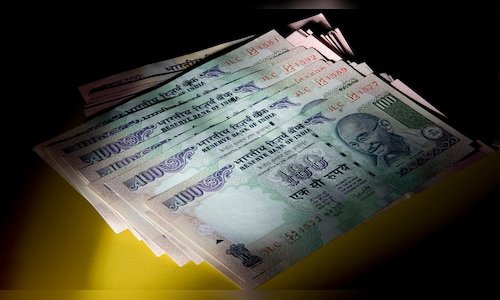
Indian assets jumped even as many Asian stocks and currencies sagged. The rupee advanced as much as 0.8 percent to 92.18 per US dollar at one point, the strongest since March 12, and it is also leading emerging market currencies this quarter.
That marks a sharp reversal from early October, when the central bank announced emergency support measures. The backdrop has flipped since, with both stocks and the currency getting a lift.
Why it moved
Investors sought markets with less direct exposure to the artificial intelligence theme, and that shift has helped India. After withdrawing record amounts earlier this year, foreign investors funneled nearly 14 billion dollars into Indian stocks in November, a reversal that helped the rupee outperform global peers.
Lower oil prices added another tailwind by shrinking India’s import bill and trimming dollar demand.
When global money flows affect investment decisions, get the free Market Briefs newsletter to understand the economy and markets in minutes.
Market view from Barclays
“The recent improvement in INR’s flow backdrop has scope to extend,” said Mitul Kotecha, strategist at Barclays Plc. He cited lower crude prices cutting the dollars India must spend on imports, along with strong overseas equity inflows that increased the amount of US currency available at home.
Kotecha said Barclays is running a tactical bet against the dollar versus the rupee.
What it means for your portfolio
In plain English: equity inflows and softer oil prices eased dollar pressure and helped the rupee, even as much of Asia lagged. Currency strength can cushion local market returns for dollar-based investors but can also shift export dynamics and earnings translated back to USD.
When currency shifts and regional trends overlap, subscribe to our free Market Briefs for quick daily context you can actually use.