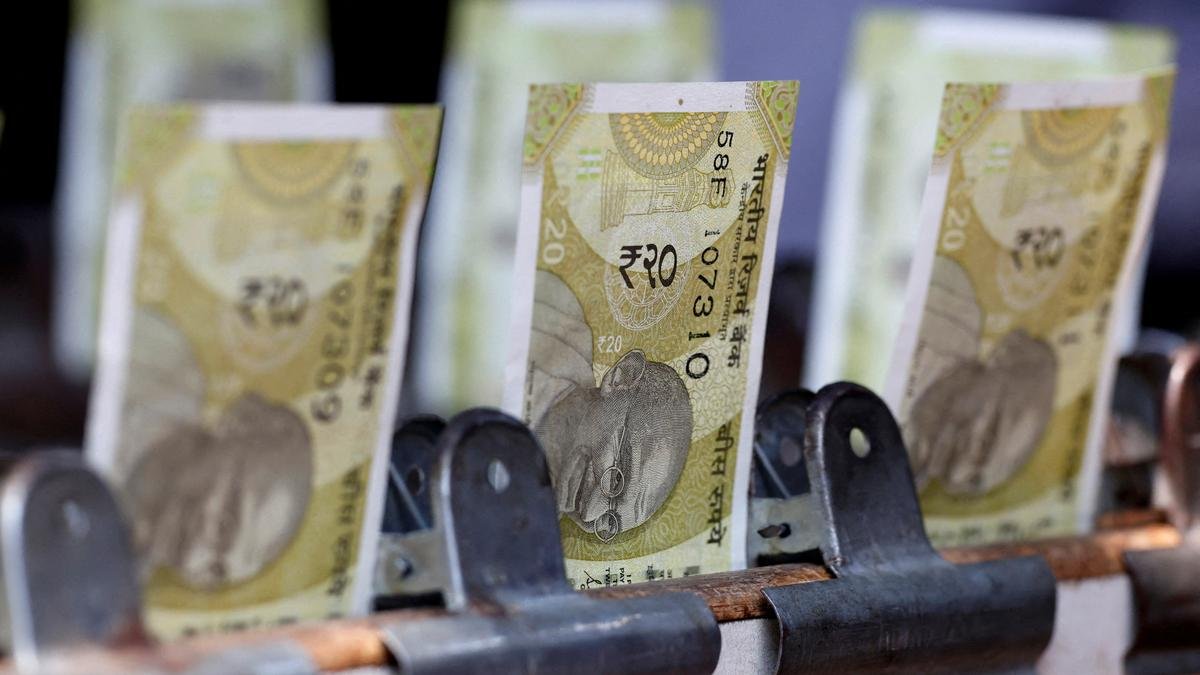
The Indian rupee plunged to a fresh record low against the US dollar on Thursday, closing at 92.94, as elevated crude oil prices, a weakening global economic outlook and sustained foreign capital outflows intensified pressure on the currency.
The rupee depreciated by 30 paise during the session, emerging as one of the worst-performing currencies in emerging Asia—behind only the Thai baht and Malaysian ringgit.
Oil shock and geopolitical risks
Escalating tensions in West Asia have triggered a pronounced global risk-off sentiment, with the conflict increasingly resembling an energy war. Attacks on critical infrastructure have driven a sharp spike in crude oil prices, heightening concerns for import-dependent economies such as India. Higher oil prices typically widen India’s current account deficit and stoke inflationary pressures, both of which weigh on the rupee.
Persistent FII selling
Foreign institutional investors (FIIs) have offloaded nearly Rs 74,000 crore from Indian equities over the past 12 trading sessions, exacerbating currency weakness. The sustained outflows reflect a broader shift towards safer assets amid global uncertainty.
The rupee’s decline also comes against the backdrop of a softening global growth outlook and strengthening US dollar, further diminishing the appeal of emerging market currencies. Analysts note that unless oil prices stabilise and capital flows reverse, the rupee could remain under pressure in the near term.