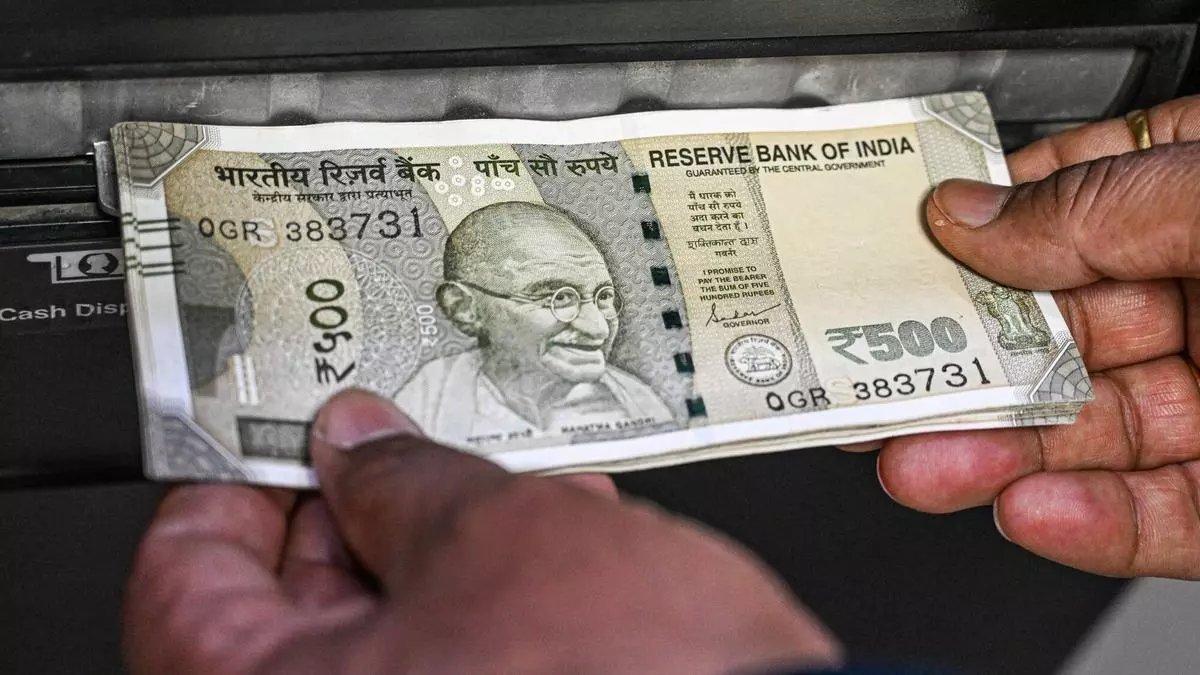



Unconverted dollars buy less in India than they did a few weeks ago. For founders who raise or bill abroad, waiting for the old rate is a bet on foreign investors, oil prices and a central bank you don’t control.
At Wednesday’s close the rupee stood at 92.23 to the dollar, about 0.7% stronger than Monday’s 92.91, after touching an eight-month high of 92.185 during the session, CNBC-TV18 reported. Markets were shut on Tuesday for a holiday. The currency has now gained 2.9% in November, a month in which foreign investors have put a record $14.28 billion into Indian shares.
It’s a sharp turnaround. The rupee hit an all-time intraday low of 96.96 in May, and on October 7 it was back within about 12 paise of that mark, according to Business Today.
Start with the share buying. Foreign portfolio investors had pulled a net Rs 2.95 lakh crore out of Indian equities between January and October, Business Standard reported, so November’s rush marks a real change of direction after a bruising year.
Some of it looks like a step back from the AI trade. CNBC-TV18 described the money as rotating away from global AI-linked stocks, with traders saying India could benefit if funds spread their tech-heavy portfolios beyond a few concentrated AI bets. Reuters also reported that worries about AI valuations were pushing investors to rethink where they put their money. I’d call that a credible explanation that still needs proof. An inflow total shows how much arrived, not what each fund sold to pay for it, and if AI shares win back confidence, some of this cash could leave as quickly as it came.
Oil has helped, with Brent dipping below $90 a barrel on Wednesday, a relief for a country that imports most of its crude. So has the Reserve Bank of India. From October 12 it began supplying dollars through a special window to Indian Oil, Bharat Petroleum and Hindustan Petroleum, which took some of the currency’s heaviest sellers, the companies swapping rupees for dollars, off the open market.
Kunal Sodhani, head of treasury at Shinhan Bank, told CNBC-TV18 the jump came from strong foreign inflows, softer crude and a better balance of dollar supply and demand at home. Sodhani thinks the rupee is likely to keep a positive bias, and could test 91.50 to 92 if those conditions hold.
What a stronger rupee does to your dollars
Take a $1 million funding wire. At the end-October rate of 94.96, a figure cited by Lapaas Voice, it was worth about Rs 9.50 crore. At Wednesday’s close it comes to about Rs 9.22 crore, and the missing Rs 27 lakh or so is real hiring money at an early-stage company. A software firm billing $100,000 a month gets roughly Rs 2.7 lakh less from each conversion than it would have at that October rate, before any bank margin.
Costs move your way, but modestly. A $10,000 monthly cloud or model API bill is about Rs 27,000 cheaper on the same comparison. If you earn mostly in dollars and spend mostly in rupees, that saving won’t come close to covering what you lose.
There’s a serious case that the rally runs out of room. In a November 9 report, economists at IDFC First Bank said the central bank’s $239 billion net short dollar position in forwards, as of September, means it will need to build up dollars as inflows improve, limiting how far the rupee can climb. They forecast 92 to 94 by December and 94 to 95 by March 2027.
Frankly, I wouldn’t sit on next quarter’s payroll in dollars hoping October’s rate comes back. Convert what you need on a fixed schedule, ask your bank what forward cover would cost on the rest, and check that new contracts still make money at 91.50.
A new tariff threat from Washington
On Wednesday, US time, the US Trade Representative’s office proposed Section 301 tariffs on 14 economies over what it calls structural excess capacity in manufacturing. India’s proposed rate is up to 25%, or 17% if it reaches a reciprocal trade agreement that satisfies Washington. According to Baker McKenzie’s trade blog, the figure is calculated net of existing Section 301 duties, so it wouldn’t simply stack on top of them.
Nothing is in force yet. Written comments are due January 5, 2027, hearings begin January 25, and the law firm expects final action early that year. The plan targets goods, with exclusions that include products already under separate Section 232 duties, such as steel and semiconductors. A hardware or apparel exporter has far more reading to do here than a software company.
India’s Commerce Ministry said it’s examining the notice and remains committed to concluding a trade deal early, Business Upturn reported. The proposal came out after Wednesday’s Indian close, which makes Thursday’s session the first chance for currency traders in Mumbai to price it.
Also read: JPMorgan sees $450 billion in AI bond sales for 2027 before growth slows • FinCEN Was Hacked but Sees No Sign Its Bank Report Databases Were Breached • Nasdaq futures sink over 2% as the Dow sits at 50,000 before Thanksgiving
This article is posted in Financial Markets News, check it out for more related stories.
Almost there. Sign in and your reply posts straight away.