MUMBAI: India’s 10-year benchmark government bond ended little changed on Thursday, with the central bank’s bond purchases helping offset pressure from the Indian rupee’s fall to a record low, while traders awaited the federal budget on Sunday.
Analysts point to the possibility of a record state and central government borrowing in 2026–27, at around 30 trillion Indian rupees.
The benchmark 10-year 6.48% 2035 bond yield settled at 6.6984%, versus 6.7026% on Wednesday. Bond yields rise when prices fall.
India’s economic survey, unveiled on Thursday, forecasts economic growth of between 6.8% and 7.2% in the fiscal year starting in April, a slowdown from this fiscal year’s 7.4% projection.
The 10-year yield see-sawed through the session amid caution that Reserve Bank of India’s efforts to support the Indian rupee could temper the impact of its cash infusions.
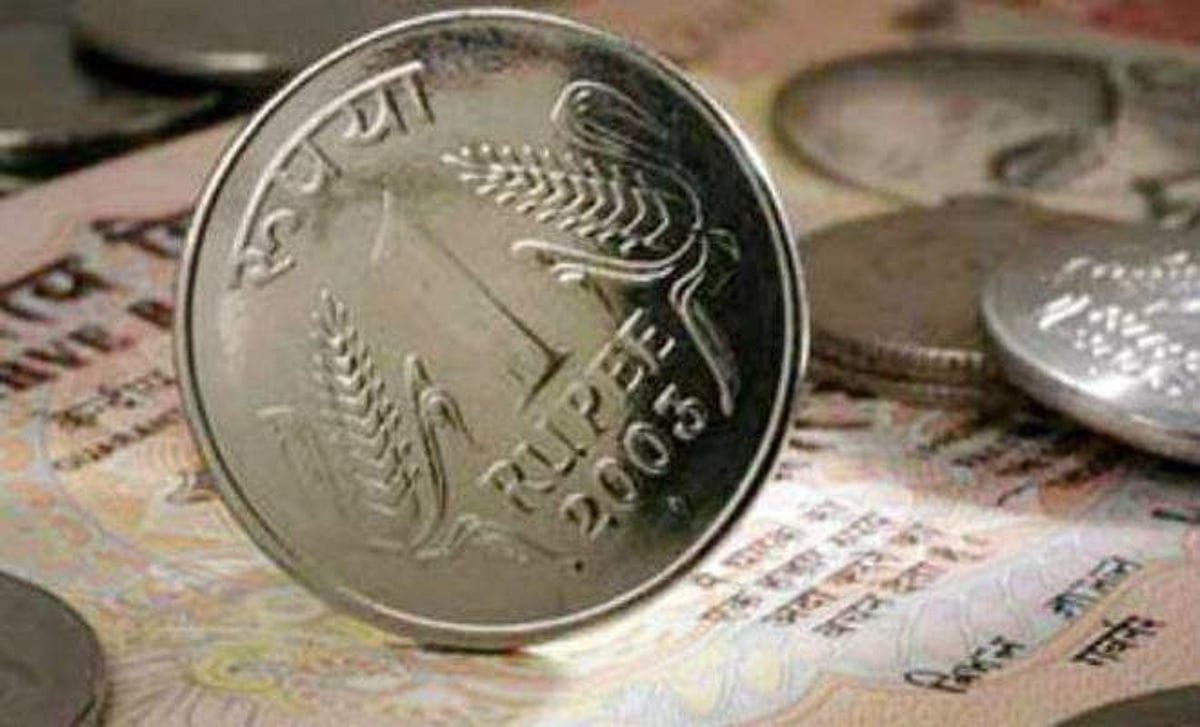
The Indian rupee hit a lifetime low of 91.9850 per dollar in early trade, while the RBI likely intervened to hold it above the psychologically key 92 level.
“The bond market’s fortunes are now inextricably linked to the Indian rupee,” said Vivek Kumar, an economist at QuantEco Research.
“When the Indian rupee depreciates, they (the RBI) are intervening and sucking out liquidity and then doing OMOs to make up for part of the liquidity loss.”
Banking system liquidity surplus has averaged about 0.2% of banks’ net demand and time liabilities this month, versus the RBI Governor’s stated preference to keep surplus within 0.6%–1% of deposits.
Separately, New Delhi is set to sell 320 billion Indian rupees of the benchmark bond at an auction on Friday, which will keep the note under pressure.
Rates
India’s overnight index swap curve continued to steepen ahead of RBI policy announcement next week.
The one-year OIS rate inched lower to 5.57%, while the two-year dipped 1.5 bps to 5.7150%.
The five-year OIS rate was steady at 6.1550%.