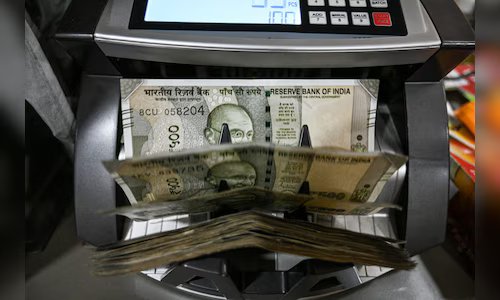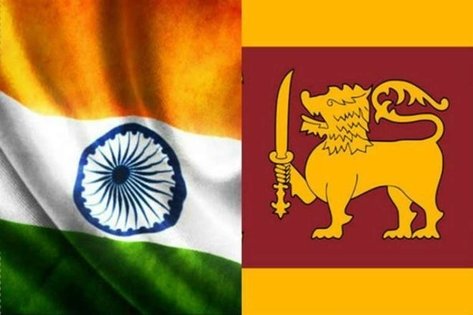
India and Sri Lanka are exploring ways to expand the use of local currencies in bilateral trade, a move aimed at lowering transaction expenses, reducing exposure to exchange rate fluctuations and strengthening economic ties between the two neighbours.
The issue was a key focus at a high-level round-table discussion in Colombo titled Rupee to Rupee: Strengthening the India-Sri Lanka Commercial Corridor.
The event brought together policymakers, bankers, exporters, importers and industry representatives to examine how greater adoption of the Indian rupee and Sri Lankan rupee could simplify trade and financial transactions, reported news agency PTI.
Addressing the gathering, Indian High Commissioner Santosh Jha highlighted the practical benefits of settling trade directly in local currencies.
He noted that the current dependence on the US dollar adds avoidable costs and risks for businesses on both sides.
“And for Sri Lanka specifically, it reduces pressure on scarce hard currency reserves – preserving dollars for uses where they are truly necessary, while rupee-to-rupee trade flows freely between our two economies,” he said.
Jha also argued that businesses continue to bear unnecessary costs by routing transactions through a third-country currency.
“It matters enormously. Every time an Indian exporter invoices in US dollars, and every time a Sri Lankan importer pays in US dollars, both sides are carrying unnecessary currency risk, paying unnecessary conversion costs, and adding a layer of dependency on a third-country currency that neither of them issues, controls, or in some cases, finds easy to acquire,” he said.
Banking representatives from the State Bank of India and Indian Bank outlined existing mechanisms supporting INR-LKR settlements and recent policy measures that allow Indian rupee-denominated loans to be disbursed through authorised banks in Sri Lanka.
Participants noted that wider adoption of local currency settlement could improve liquidity management, lower transaction costs and make bilateral trade more resilient.
Please click here to add Swarajya as your preferred and trusted news source on Google