Richard Drury/DigitalVision via Getty Images
By Russell Beattie
When military action disrupted the Strait of Hormuz earlier this year, the price of Dubai Crude Oil – the key benchmark for Southeast Asia – more than doubled in three weeks, surging from around US$60 per barrel to a peak of US$137.82.
While the price has come down as of mid-June, the impact on inflation expectations across the region is already underway. The Asian Development Bank now projects that inflation across Southeast Asia could nearly double, rising from 3.0% in 2025 to 5.6% in 2026, while regional economic growth could ease from 5.4% to 4.7% if the disruption persists into the third quarter.
This data sets the stage for a complex set of circumstances that could impact everything from currency strength to central bank policy decisions.
How External Shocks Impact Domestic Markets
Southeast Asian countries are highly reliant on energy imports from the Middle East. According to analysis by S&P Global, around 90% of the crude oil that is shipped through the Strait of Hormuz flows to the Asia-Pacific region. Just over half of the crude and condensate oil Thailand imports comes from the Middle East, while around 85% of Vietnam’s oil imports come from the region. This concentration of supply dependency means that disruption to a single maritime chokepoint translates almost immediately into domestic cost pressure.
The impact of higher oil prices on inflation works through several channels. Elevated oil prices raise production costs for manufactured goods, while elevated shipping costs lead to price increases for imported goods. The cost of domestically produced food will also be impacted going forward due to higher fertilizer costs – the Middle East is a key fertilizer supplier to the region.
Compounding these pressures, U.S. tariffs have added a separate layer of trade uncertainty. Although key exporter nations, such as Thailand and Vietnam, initially saw increased exports and foreign investment as companies relocated manufacturing to avoid higher tariffs, these trade measures also contributed to broader supply chain disruption and heightened uncertainty. These disruptions have put pressure on margins for Southeast Asian exporters, as many producers have absorbed the higher cost of producing goods in the current environment.
Increased Currency Volatility
The intersection of economic risk and trade uncertainty has triggered volatility in Southeast Asian currencies and a flight toward the relative safety of the U.S. dollar. However, this impact is not uniform across the region.
The Indonesian rupiah is hovering around record lows against the U.S. dollar despite policy intervention from Bank Indonesia to support the currency. The Vietnamese dong had already declined against the U.S. dollar in 2025, and this volatility could persist in 2026 as the combination of higher inflation and elevated manufacturing and shipping costs hit export demand.
Thailand is also experiencing currency volatility. The Thai baht, which had been strengthening against the U.S. dollar, reversed direction in the face of the conflict in the Middle East, slumping to a 10-month low.
Interest Rate Policy Challenges
The combination of rising inflation, slowing growth and currency volatility presents a complex environment for policymakers in Southeast Asia as they assess which risks are most prominent. On the one hand, central banks may consider increasing interest rates – or pausing rate cuts – to help curb rising inflation and support their currencies. Conversely, policymakers may need to take action to support growth if their economies come under increased pressure from declining global demand for their exports.
The Bank of Thailand recently indicated it intends to hold rates at 1% for “as long as possible”, claiming it will follow a “look through strategy” for the spike in inflation caused by the conflict in Iran. The logic is that supply-side inflation caused by an external shock is better weathered through stability than countered with rate increases that could suppress domestic demand.
The State Bank of Vietnam has also left interest rates on hold but urged commercial banks to lower deposit rates and offer cheaper borrowing to individuals and businesses to support the economy. Meanwhile, The Bank of Indonesia has increased interest rates twice since the conflict in the Middle East began, as it looks to stabilize its currency and manage inflation, which hit 4.76% in February.
How Investors Respond to Volatility
There are a number of steps investors can take to mitigate the risks caused by rising inflation and currency volatility. Retail investors are diversifying their portfolios into perceived safe haven assets, with gold remaining a favorite. Others are taking advantage of foreign currency deposit accounts to insulate themselves from a volatile domestic currency. Meanwhile, foreign direct investors are employing hedging strategies, using derivative products, such as futures, options and swaps to manage currency volatility.
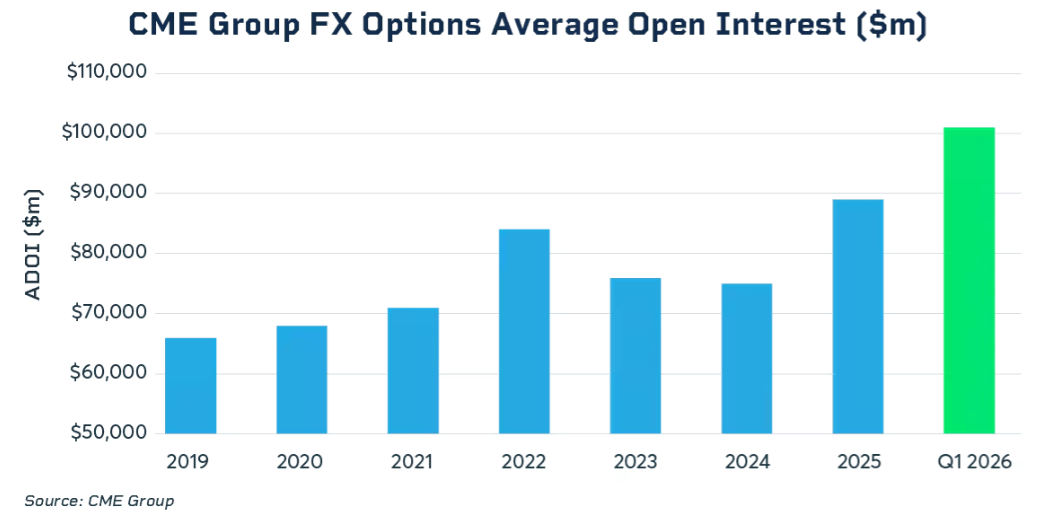
Looking ahead, the variable with the greatest capacity to shift this currency picture is oil. A sustained return toward pre-conflict price levels could reopen rate-cut cycles and stabilize currency floors while further escalation may do the opposite. For investors operating in the region, oil is currently serving as both a commodity input and a primary macro variable from which most other risks currently flow.
Editor’s Note: This article covers one or more microcap stocks. Please be aware of the risks associated with these stocks.