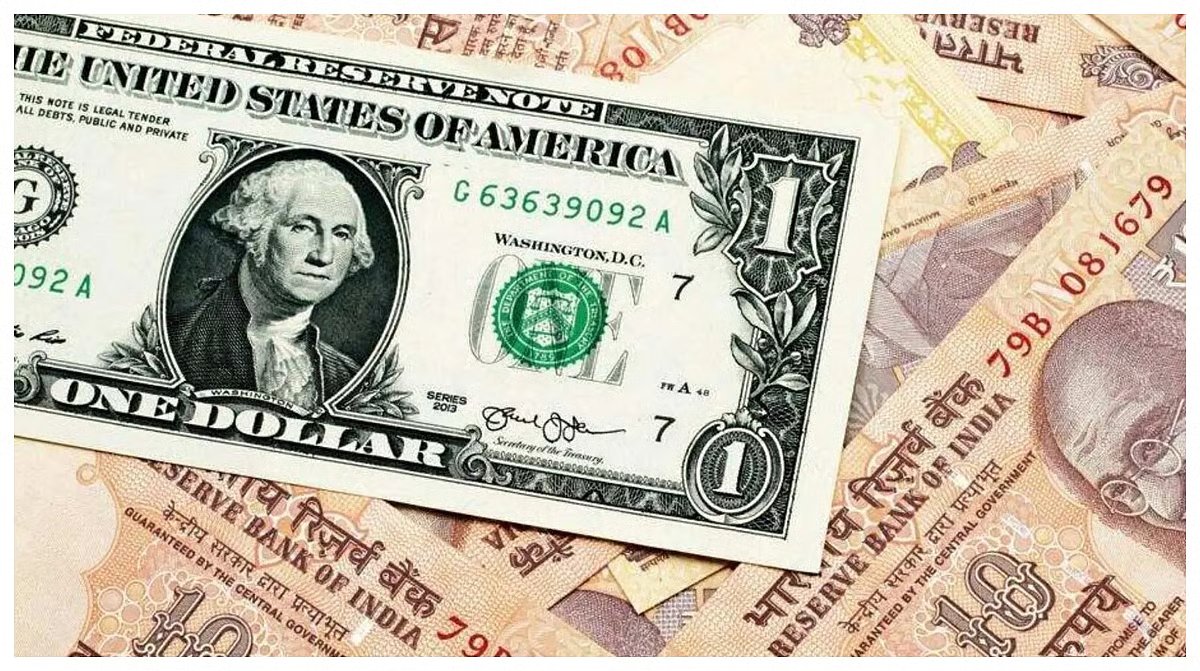


lion into Indian equities and over $1 billion into Indian debt so far this month, and that demand for Indian assets helped the rupee rise 1.5% to lead Asian currencies this month.
Still, the RBI isn’t out of the woods. Reuters notes foreign-exchange reserves are about $66 billion below their September peak of $785.7 billion, and the central bank had a “forward book” – commitments to buy or sell dollars later – of roughly $240 billion in September. That’s why traders are watching for the level where the RBI shifts from selling dollars to buying them: it would rebuild reserves and adjust how much future FX risk the bank is carrying.
Why should I care?
For markets: The RBI’s $240 billion forward book could shape hedging costs and bond pricing.
If the RBI starts buying dollars again, it won’t just change the reserves headline. It can also be used to manage that large forward book by choosing how much currency exposure to roll over versus close out.
There’s a knock-on effect in local markets, too. When the RBI buys dollars, it typically injects rupees into India’s banking system, which can make short-term funding easier unless the bank soaks up the extra cash with liquidity-absorption tools. That “plumbing” often shows up in USD/INR hedging prices (forward points and swaps) and, through money-market rates, in Indian government bond yields.