Sign up here.
Currencies of these countries weakened significantly earlier in the week: South Korea’s won fell to its weakest level since March 2009, while Taiwan’s dollar hit its lowest point since May last year.
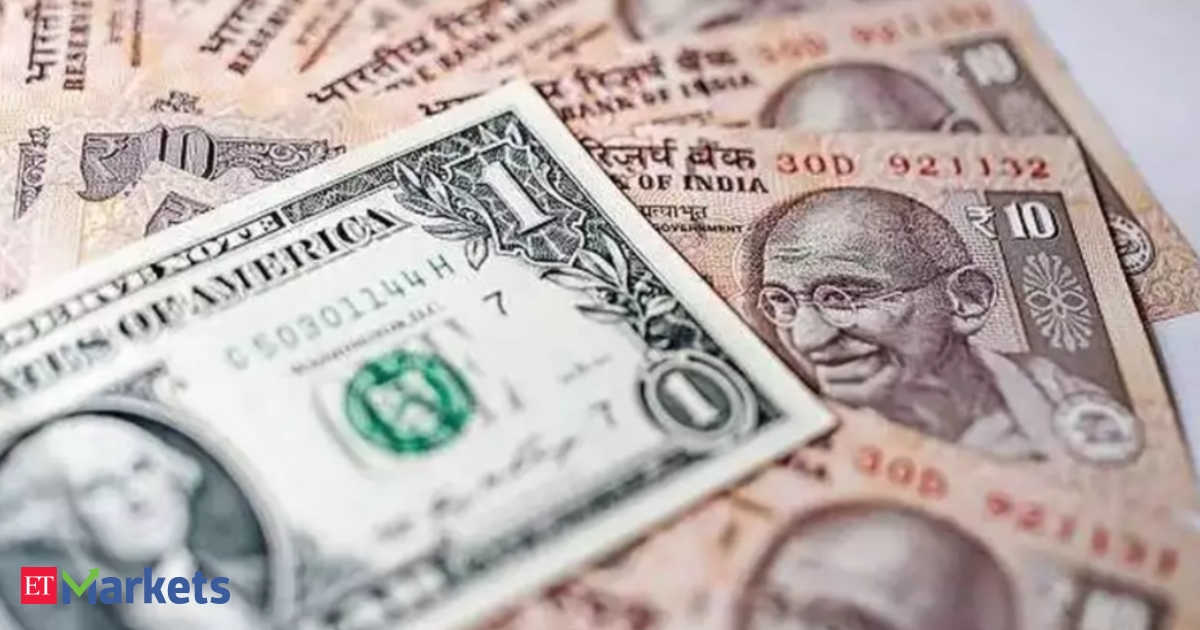
The Indian rupee slumped to a record low of 92.3025 a dollar, while the Thai baht and the Philippine peso hit multi-week lows.
“Concerns of inflation, growth on Asian economies may come at some point if energy price gains are sharp and prolonged,” OCBC FX Strategists Sim Moh Siong and Christopher Wong wrote.
“Given the high sensitivity of these currencies to market developments and high dependence on oil imports – KRW, TWD, INR, PHP – may underperform more.”
These views were reflected in the shift in investor positioning over the fortnight.
“If the shock in oil prices persists, we see room for a further rise in USD-KRW, as risk assets will likely continue to face pressure and outflows,” BNP Paribas rates and FX strategists wrote.
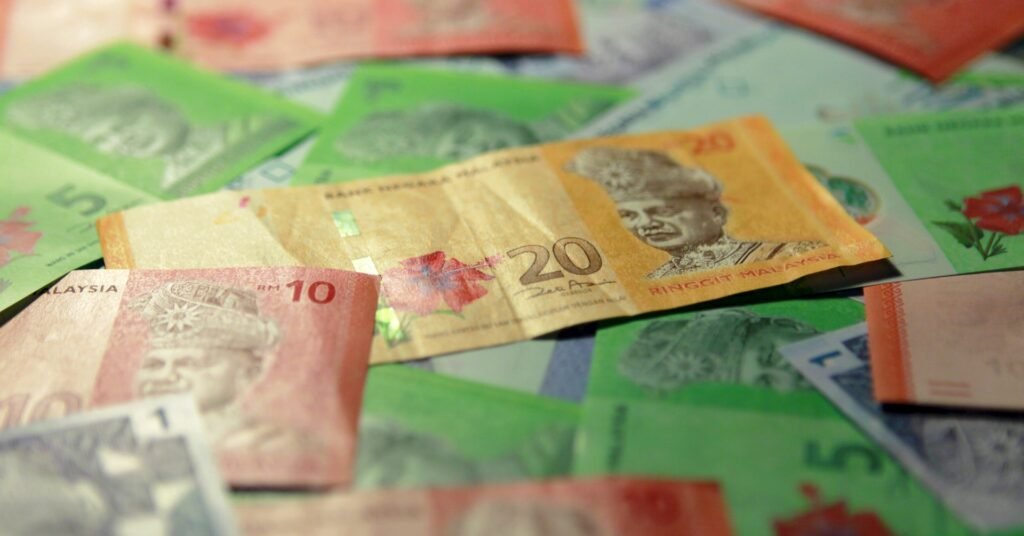
Elsewhere, bullish bets on the Malaysian ringgit stayed in the bullish territory on growth prospects, strong domestic fundamentals, and stable political backdrop.
Respondents also remained firmly bullish on the Chinese yuan , the highest among its emerging Asian peers, driven by a confluence of positive factors, including broad U.S. dollar weakness and seasonal export settlement demand, among others.
The Asian currency positioning poll is focused on what analysts and fund managers believe are the current market positions in nine Asian emerging market currencies: the Chinese yuan, South Korean won, Singapore dollar, Indonesian rupiah, Taiwan dollar, Indian rupee, Philippine peso, Malaysian ringgit and the Thai baht.
The poll uses estimates of net long or short positions on a scale of minus 3 to plus 3. A score of plus 3 indicates the market is significantly long U.S. dollars.
The figures include positions held through non-deliverable forwards (NDFs).
The survey findings are provided below (positions in U.S. dollar versus each currency):
Reporting by Sameer Manekar in Bengaluru; Editing by Mrigank Dhaniwala
Our Standards: The Thomson Reuters Trust Principles.