Investing.com — Asian currencies were mixed on Wednesday, while the Japanese yen strengthened after a two-day slide and the U.S. dollar remained near a two-month high ahead of key U.S. inflation and labor-market data.
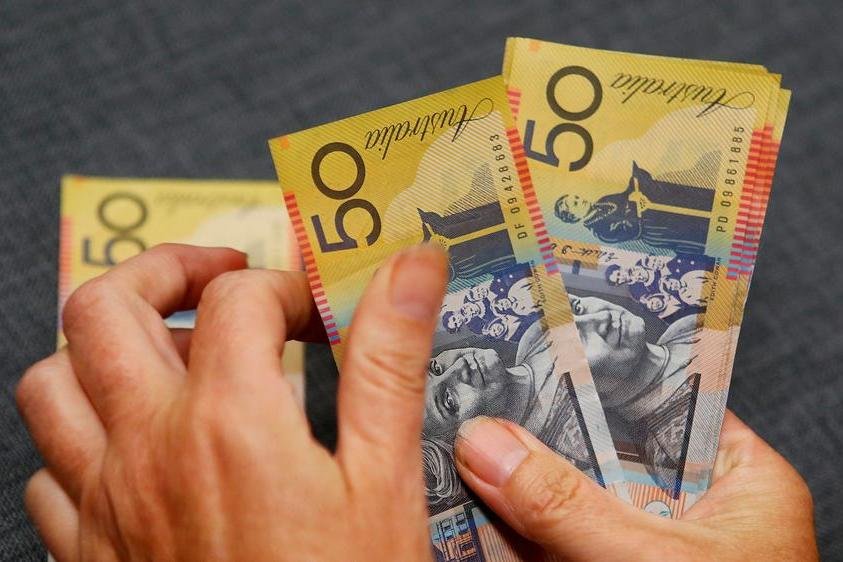
The yen was also supported by renewed Japanese warnings over currency weakness and quarter-end flows, while the Australian dollar fell below $0.70 after fresh inflation data came in slightly below forecasts.
The U.S. dollar index was around 101.42. The USD/JPY pair fell 0.3% to 156.91, after the yen strengthened as much as 0.6% to 156.38 in early Asian trading.
The greenback is heading for its best month since June after the Federal Reserve’s renewed focus on containing inflation pushed U.S. rate expectations and Treasury yields higher. The dollar has risen about 2% against the yen this month and nearly 3.8% in the third quarter.
Yen rebounds as intervention risks, Japan data support currency
The yen’s latest gains made it the best-performing Group-of-10 currency on Wednesday, after Japanese officials stepped up warnings over excessive depreciation.
Japan’s top currency official Atsushi Mimura told Reuters Prime Minister Sanae Takaichi and Finance Minister Satsuki Katayama, together with the U.S., had sent a clear warning about yen weakness.
Weaker-than-expected August retail sales and an unexpected drop in industrial output could temper bets on faster BOJ tightening, although yen intervention risks remain a key support for the currency.
The BOJ’s July meeting minutes also showed policymakers believed underlying inflation was approaching the 2% target and that continued rate increases were appropriate while financial conditions remained accommodative.
Aussie falls below $0.70 after inflation data
The AUD/USD pair fell 0.3% to $0.69, taking the Australian dollar below $0.70 for the first time since early August and to a nine-week low of $0.69.
Australia’s August inflation reading slightly undershot forecasts, weighing on the Australian dollar as it tempered expectations for another near-term RBA hike, even though annual and underlying inflation remained well above target.
The data came a day after the Reserve Bank of Australia raised its cash rate by 25 basis points to 4.60%, its highest level since 2011, while warning that inflation risks were materializing and that further tightening remained possible.