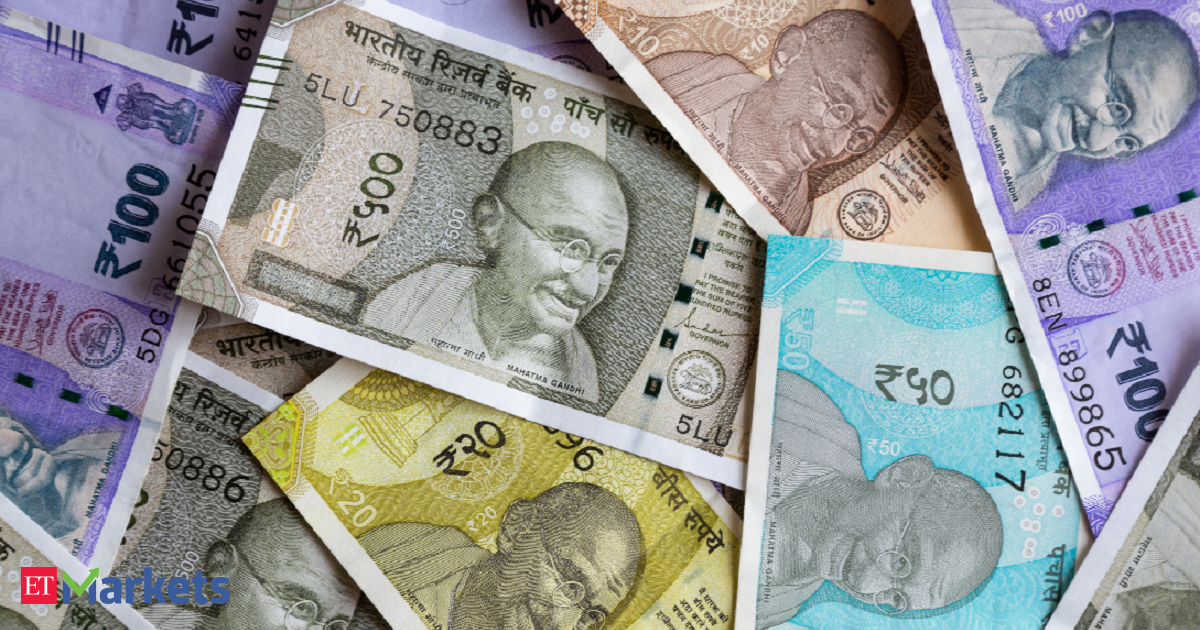


The Indian rupee continued to appreciate, supported by strong foreign capital inflows. The domestic currency gained 46 paise to 93.47 against the US dollar on Tuesday — its highest level in seven months, according to Bloomberg. Foreign portfolio investors have purchased a record $10 billion worth of Indian equities so far in November.
Following this, the rupee emerged as Asia’s best-performing currency on Tuesday. Oil prices held steady at $92.66 per barrel, remaining below the $100-per-barrel level, which further supported the Indian currency.
“The rupee is strengthening as large capital inflows enter India, driven partly by investor interest in the “anti-AI” trade. India is seen as relatively diversified and less exposed to the AI trade, making it an attractive destination for funds rotating out of AI-heavy positions. At the same time, lower crude-oil prices are reducing India’s dollar requirements, further supporting rupee appreciation,” said Anindya Banerjee, head of currency and commodity research, Kotak Securities.
So far in November, the rupee has strengthened by more than 1.5%, aided by foreign inflows and lower oil prices. However, on a year-to-date basis, the currency has still declined by around 4% in 2026.
Jateen Trivedi, VP Research Analyst – Commodity and Currency, LKP Securities, said that the rupee has strengthened despite the dollar index remaining elevated near 103.60. “Going ahead, sustained inflows could push the currency towards 93.00–92.75, while any reversal in foreign fund flows could trigger weakness towards 94.50.”
Market participants believe that, while the rupee may find near-term relief, its recovery is likely to remain limited because of the RBI’s large forward-dollar position.
“With a net short forward-dollar position of roughly $240 billion, the RBI may step in to rebuild its dollar reserves. The sustained dollar purchases are likely to limit further rupee strength,” said Banerjee.