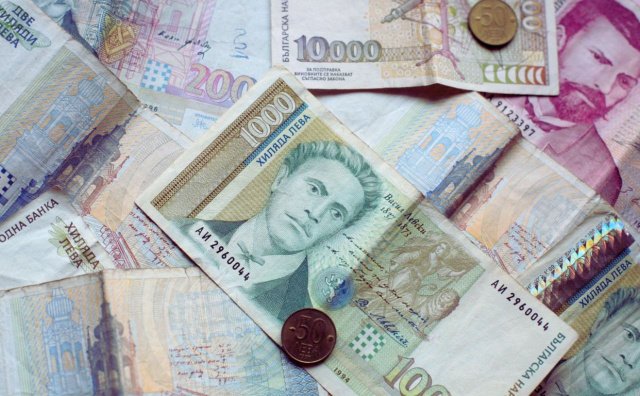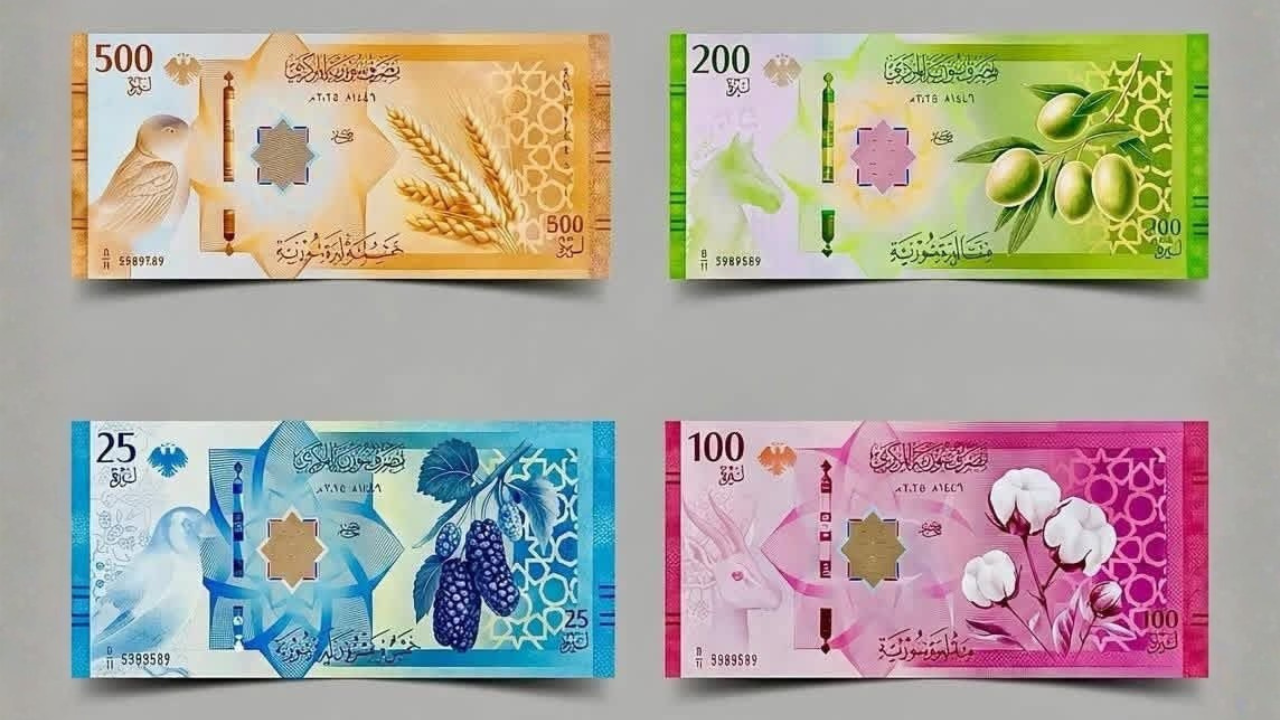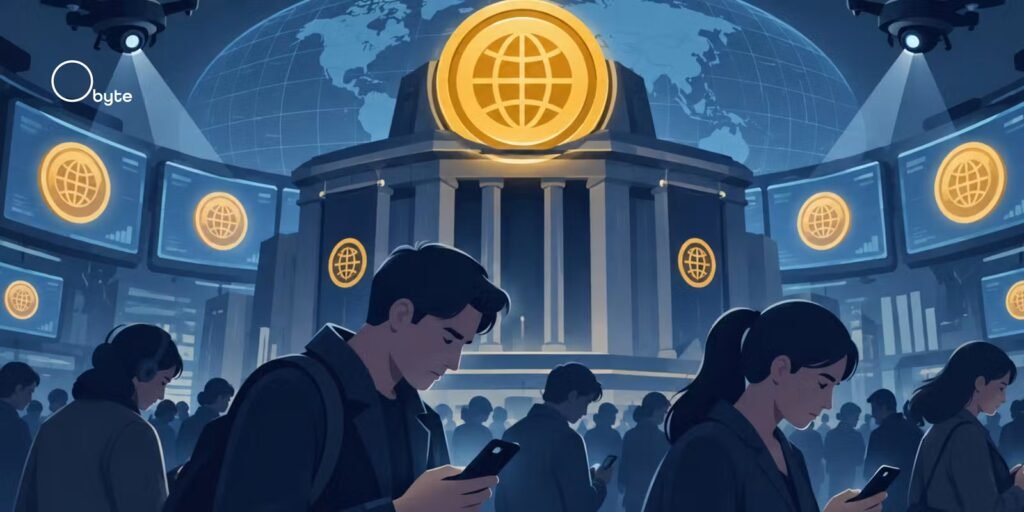
Just imagine, for a moment, a world without dollars, euros, pesos, yuan, or any other currency from the mountain of national currencies worldwide. Instead of all of them, we’d have one and only option, which we can call “Gold Coins” here. It’d be present everywhere: every bill, every salary, every purchase, every country. This single currency would be managed by an all-powerful Global Central Bank (GCB).
Would our lives be better, then? Some things would be a lot easier, for sure. Traveling, online purchases, maybe import and export. For businesses, the headache of currency fluctuations would vanish overnight. But stop there, because this scenario could be a massive dystopia, too.
Why Doesn’t the World Already Share One Global Currency?
Well, to begin with, different countries have very different histories, resources, and needs that are unique to each of them. An oil-exporting nation reacts to rising energy prices very differently than one that imports all its oil. One situation that’s beneficial for a certain region is detrimental for another, at the same time. A country recovering from a disaster has different priorities than one that’s booming. So, central banks use tools
Economists have looked at this problem for a long time. A famous idea is the “
Closest Things We Have to a Global Currency
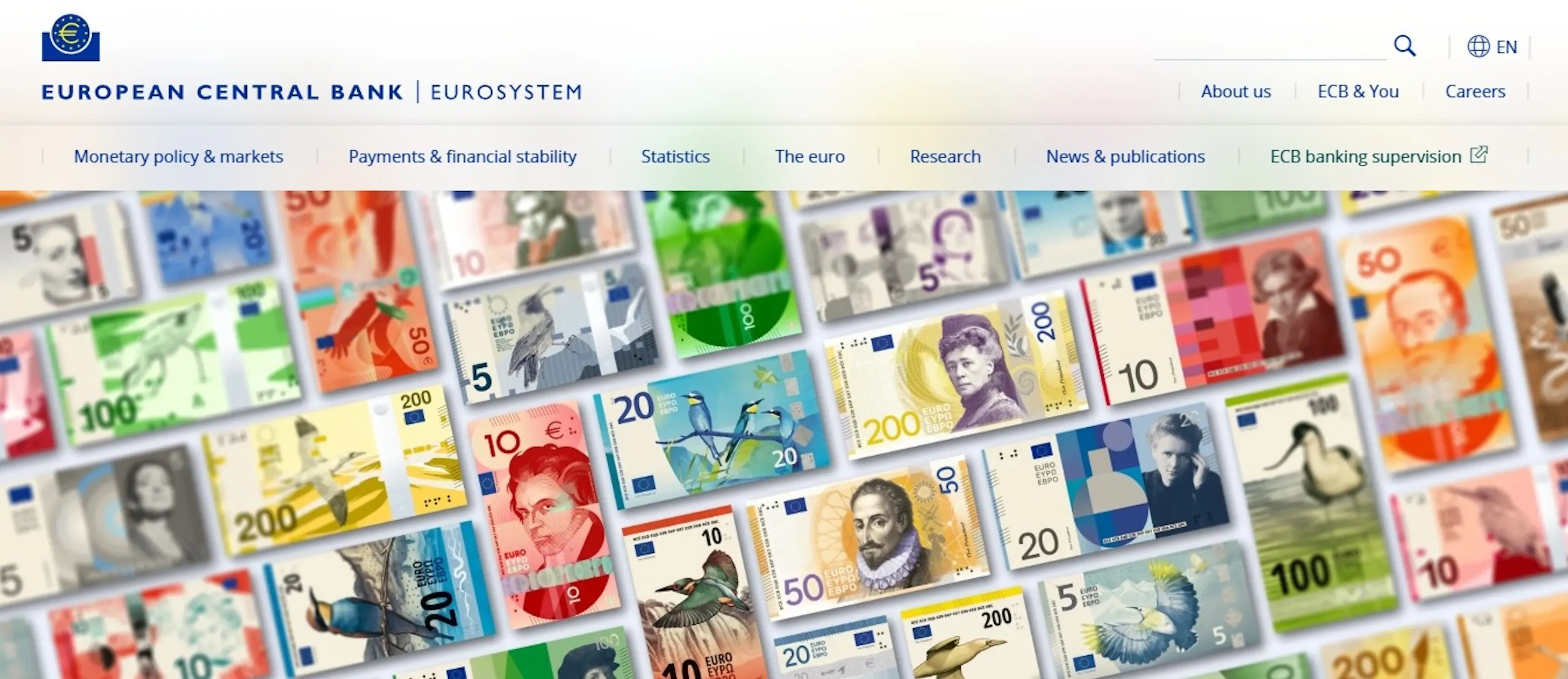
However, the Eurozone also shows the challenges of an OCA. During the European debt crisis in 2012, countries like Greece and Spain were in a recession while Germany was doing well. These are classic asymmetric economic shocks. Because every state member used the euro, the central bank had to try and balance the needs of very different economies, which is incredibly tough.
Now, another example of a potential “global currency” is the International Monetary Fund’s
Centralization Risks

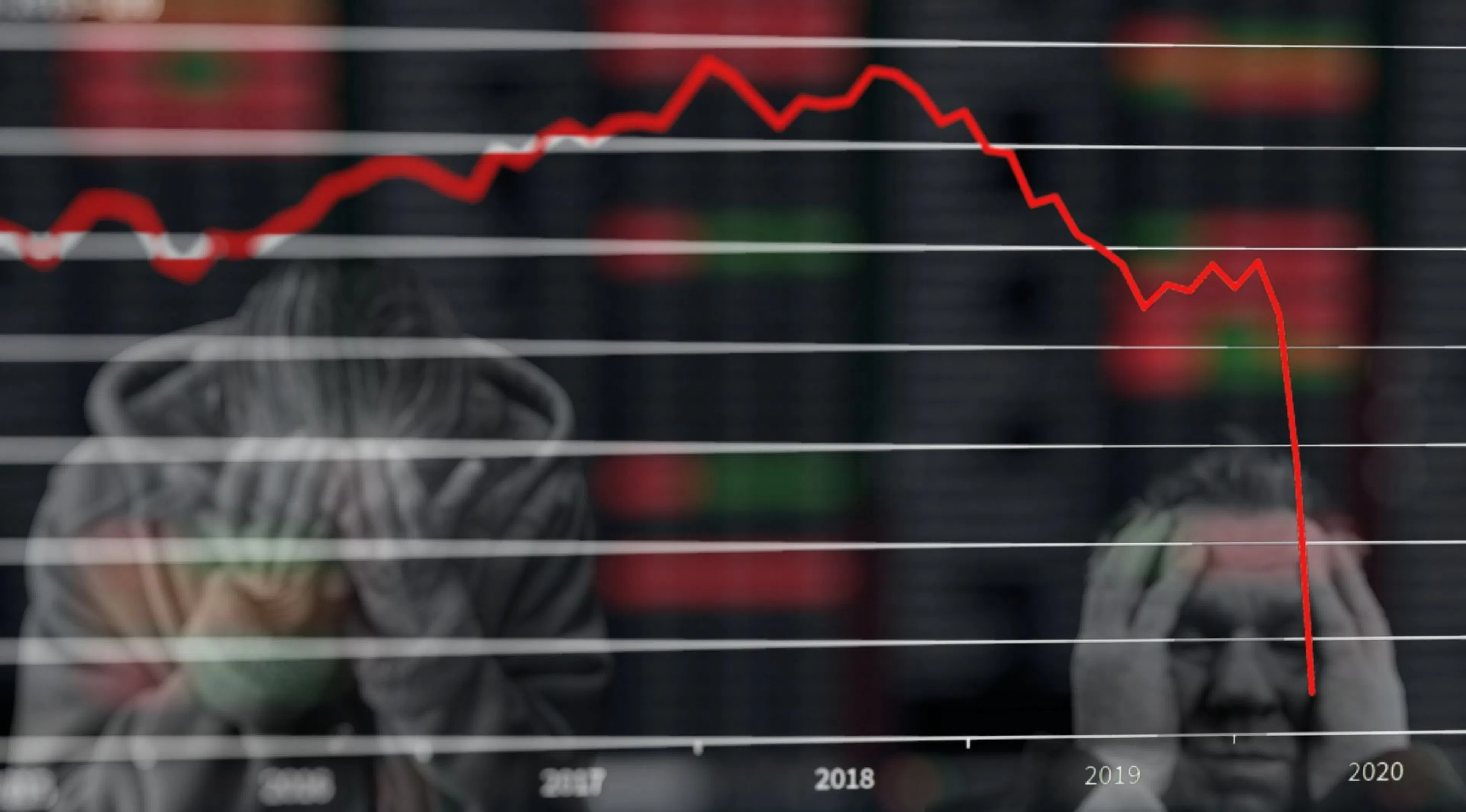
If this central bank makes a bad call with its global currency, there’s no other country with a different coin to cushion the blow. Everyone, from your neighbor to a multinational corporation, shares the same fate. Corrupt officials
Political influence and pressure from richer countries could push it to benefit certain regions more than others. Even
Without extremely secure and effective, almost magical methods to avoid corruption, bugs, attacks, manipulation, and censorship, the GCB is basically a large global oppression machine or a time bomb. It could easily turn into a financial version of “Big Brother” (check the novel “1984” by Orwell) with enormous power to monitor and control people’s money.
Diversity & Decentralization Matter
Financial systems are stronger when they’re diverse. Having national currencies, cash, digital payments, and international banks all offer different paths for moving money. If one path has an issue, another one can keep things moving. This is where decentralized cryptocurrencies come into play, too.
Instead of putting all the power in one central bank, cryptocurrencies like Bitcoin and Obyte use thousands of independent computers to validate transactions. Anyone can join to maintain a crypto network, not only governments or powerful parties. The rules are public and transparent. In our Gold Coins world, a decentralized crypto wouldn’t replace the global currency overnight, but it would be an independent and freer (as in freedom) alternative. If confidence in the central system crashed, people would have another network to use.
So, a single global currency would make international payments simple, but it would also place an enormous amount of power in one institution, creating massive new risks. The lesson here isn’t that cooperation is bad, but that concentrating too much power over money is a risk. Decentralized cryptocurrencies offer a better path, giving people access to a system that operates on a distributed network. That one choice, having an alternative, can make the entire financial landscape more resilient and adaptable when the unexpected happens.