The European Central Bank on Thursday raised its deposit facility rate by 25 basis points to 2.50%, its second rate hike of 2026, as an energy shock linked to the escalating West Asia conflict pushes eurozone inflation above the central bank’s 2% target.
The ECB also raised its main refinancing rate to 2.65% and marginal lending facility to 2.90%. Its latest projections show inflation averaging 3.0% in 2026, 2.5% in 2027 and 2.1% in 2028. Growth forecasts were revised higher to 0.9% for 2026, 1.4% for 2027 and 1.5% for 2028, indicating that the central bank sees the eurozone economy as resilient despite the energy shock.
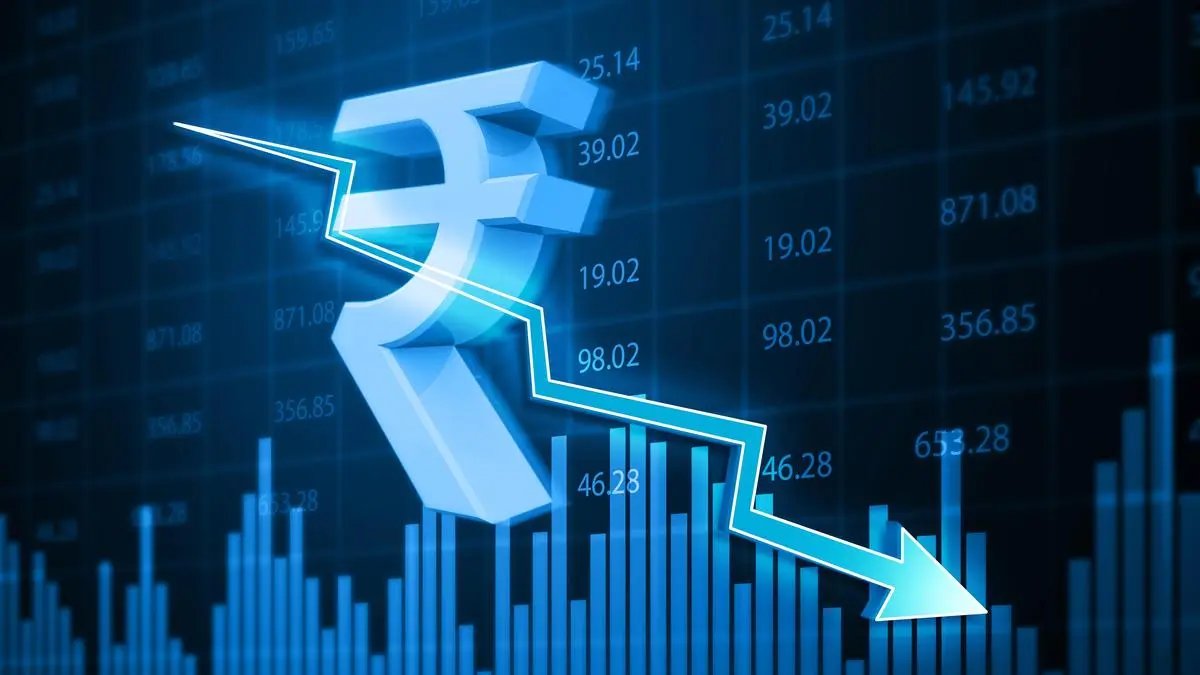
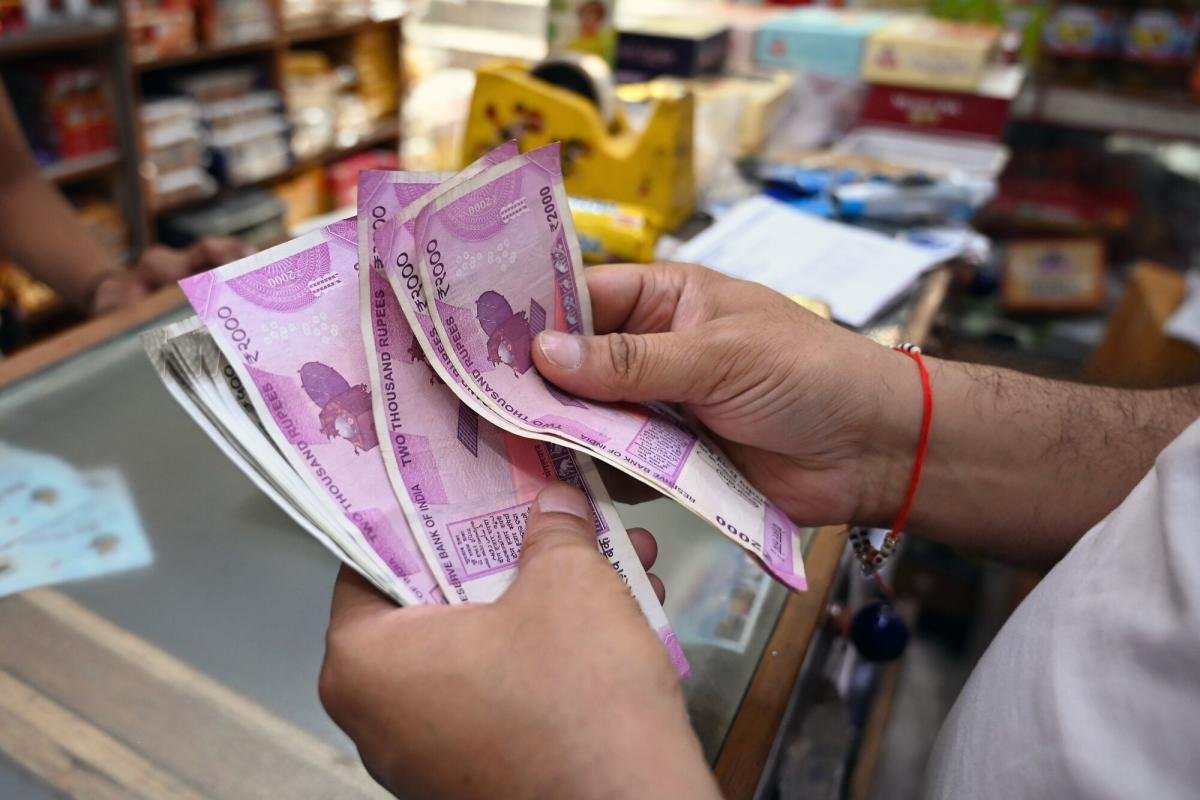
For India, however, the ECB decision comes against a much bigger immediate pressure point: crude oil. Brent has moved above $100 a barrel amid concerns over disruptions to energy supplies, while the rupee fell 0.38% on Thursday to close at ₹95.46 (provisional) per dollar. The currency’s fall was driven primarily by higher oil prices, increased dollar demand and corporate hedging.
The ECB hike could influence the rupee through global currency and capital-flow channels, although the immediate impact is less important than that of crude.
The euro weakened about 0.3% after the ECB decision to around $1.159, showing that a rate hike does not automatically translate into a stronger European currency.
For Indian companies with substantial euro-denominated revenues, including IT services, pharmaceuticals, engineering, auto components and other exporters, a stronger euro would generally increase the rupee value of those receipts. However, the benefit depends on the euro’s actual movement, companies’ hedging positions and demand from European customers.
Higher European borrowing costs could also weigh on investment and consumption if the ECB continues tightening, potentially limiting demand for Indian goods and services. ECB President Christine Lagarde said the economic outlook remained highly uncertain, with risks tilted towards higher inflation and weaker growth.
For Indian importers, the more immediate concern is the combination of a weaker rupee and higher energy prices.
A sustained rise in crude increases India’s import bill, widens pressure on the current account and can feed into domestic inflation. Oil marketing companies, airlines, chemicals and other energy-intensive industries could therefore face greater cost pressure if crude remains elevated.
The rupee’s weakness has already prompted RBI intervention. State-run banks were reportedly seen selling dollars, likely on behalf of the central bank, while the RBI also conducted dollar-rupee sell/buy swaps for a second consecutive day. It reportedly conducted around $600-700 million of swaps on Thursday after a $1 billion operation on Wednesday.
The RBI kept its repo rate unchanged at 5.25% with a neutral stance in August, with its next policy meeting scheduled for October 5-7. The ECB’s decision does not require the RBI to follow suit, but persistent currency weakness and imported inflation could complicate the central bank’s policy choices.
Some economists have already turned more hawkish on the RBI. Société Générale’s Kunal Kundu, for instance, expects three 25-basis-point hikes, taking the repo rate to 6% by early 2027.
The US Federal Reserve is the next major global policy test, with its September 15-16 meeting approaching. Markets are currently assigning about a 70% probability to a rate hike, according to CME FedWatch tool, making Friday’s US CPI data particularly important for the Fed’s decision.
For Indian markets, therefore, the ECB hike is less of a standalone threat than another piece of a worsening external environment. A favourable currency move could support exporters, but that benefit risks being overwhelmed by higher crude prices, a larger import bill and pressure on the rupee. The immediate trajectory of Indian markets will likely depend more on oil and the Fed’s next move than on the ECB hike itself.