Stay informed with free updates
Simply sign up to the Indian business & finance myFT Digest — delivered directly to your inbox.
Foreign acquisitions by Indian companies are on track to hit a record this year, putting further pressure on a weak rupee.
Indian companies have announced overseas equity investments worth more than $14bn in the first four months of the fiscal year that began on April 1, compared with $18.7bn in the previous 12 months.
The outflows come as foreign investors flee India’s markets at the fastest pace ever this year, pulling out more than $23bn as of the end of June over a lack of AI champions.
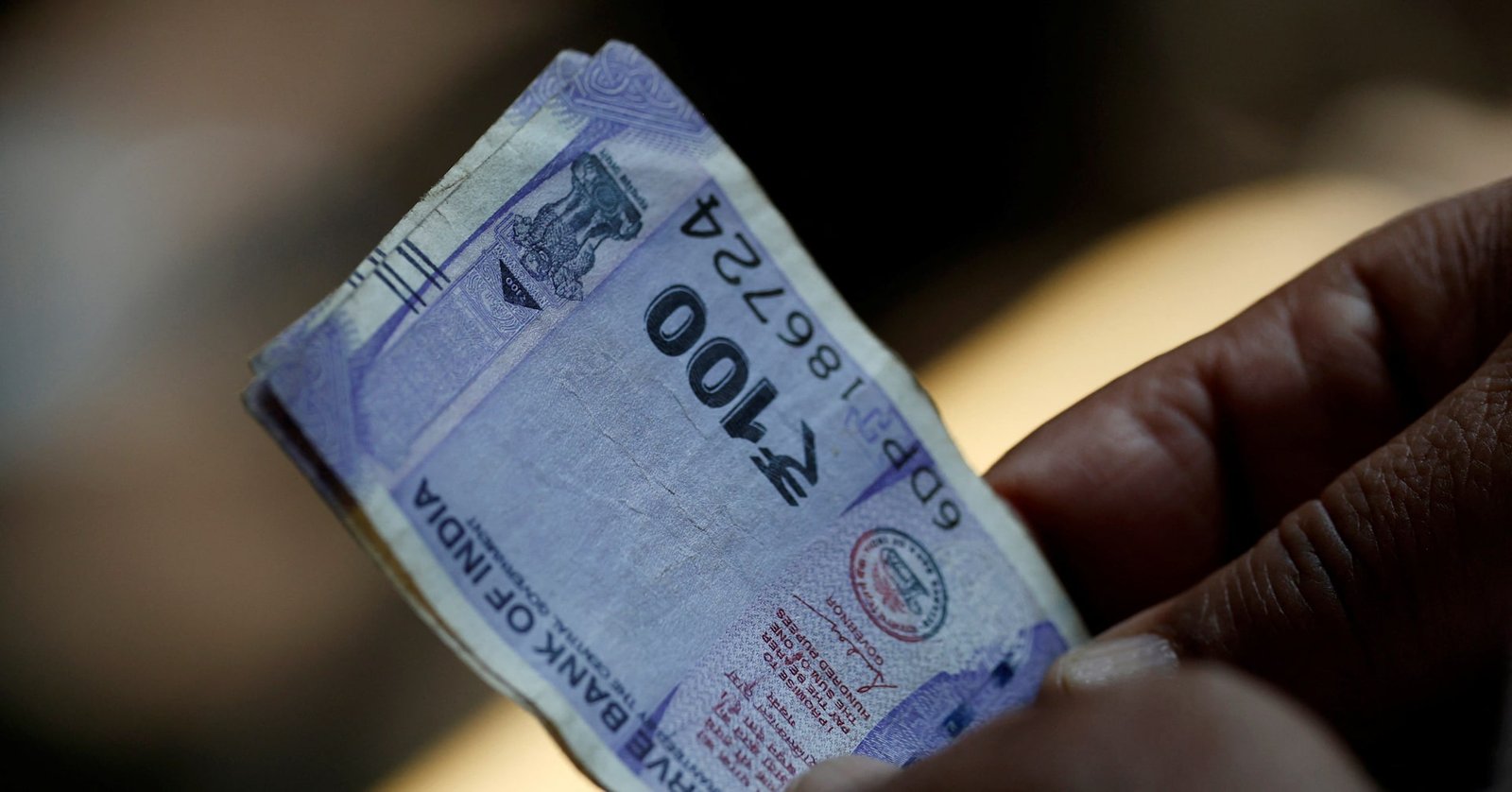
The rupee has come under pressure, falling more than 6 per cent against the dollar to become one of Asia’s weakest currencies this year as the war in Iran raises India’s energy import bill.
New Delhi spent more than $60bn on oil and gas in the June quarter, up 23 per cent from last year, and its foreign exchange reserves have dwindled by $54bn since the start of the war.
Authorities have taken steps to attract dollar flows, including pressing state-owned banks to lure more foreign currency deposits from India’s diaspora.
At the same time, geopolitical uncertainties, including the Middle East conflict and US President Donald Trump’s tariffs, have pushed corporate India to hunt for new markets and supply chains through acquisitions.
In April, Sun Pharma, India’s biggest pharmaceutical group by market capitalisation, announced its $11.7bn purchase of US-based Organon, India’s largest-ever international acquisition.
Kirti Ganorkar, managing director of Sun Pharma, told investors it would help the company reach new markets, including China.
In June, IT services provider Persistent Systems launched a €1.3bn bid for Munich-based Nagarro, hoping to expand beyond its US client base to Europe after the unpredictability of Trump’s trade policies.
“If we are predominantly one geography dependent, should the regimes in these US markets take a negative view on outsourcing to India, we were overexposed,” Sandeep Kalra, chief executive of Persistent Systems, told the FT.

Minhaz Lokhandwala, a partner at law firm JSA, said he was advising a client on acquiring a Middle East-based contract manufacturer to overcome any future disruptions similar to the blockade on the Strait of Hormuz.
“Because of the recent geopolitical issues, there is certainly going to be increased outflow in trying to develop asset bases outside India,” he said.
Even before this year, foreign direct investment had been picking up pace. Total outbound FDI on a 12-month trailing basis rose 47 per cent year on year to $35.8bn in January, compared with nearly flat repatriation of $52.1bn.
This led India’s net FDI inflows to near an “all-time low” of $500mn in January, Morgan Stanley analysts said in April.
“Sustained weakening in net flows could increase reliance on more volatile portfolio capital, with potential spillovers to external balance metrics, currency stability and financial markets,” they warned.
In addition to putting further pressure on the rupee, the record investments abroad chafe against New Delhi’s desire for companies to pick up domestic spending.
“When government investment is increasing, capital investment is growing, private investment is not picking up in that line,” said Bhartruhari Mahtab, a member of parliament, during a panel last month.
The government’s chief economic adviser, V Anantha Nageswaran, also raised concerns this year that Indian companies were not spending enough domestically despite rising profits.
Raju Kumar, a tax partner at EY, argued the outbound investments were “purely business driven”.
“India as a country, supported by its corporations, is competing for resources, for technology, and in certain cases competing for the market which is available,” he said.
The outbound investments mean India’s net FDI inflows were likely to be negative or close to zero “for several years to come”, Saurabh Mukherjea, founder of Marcellus Investment Managers, wrote in a report last month, adding that this would have “major implications for the Indian economy and its currency”.