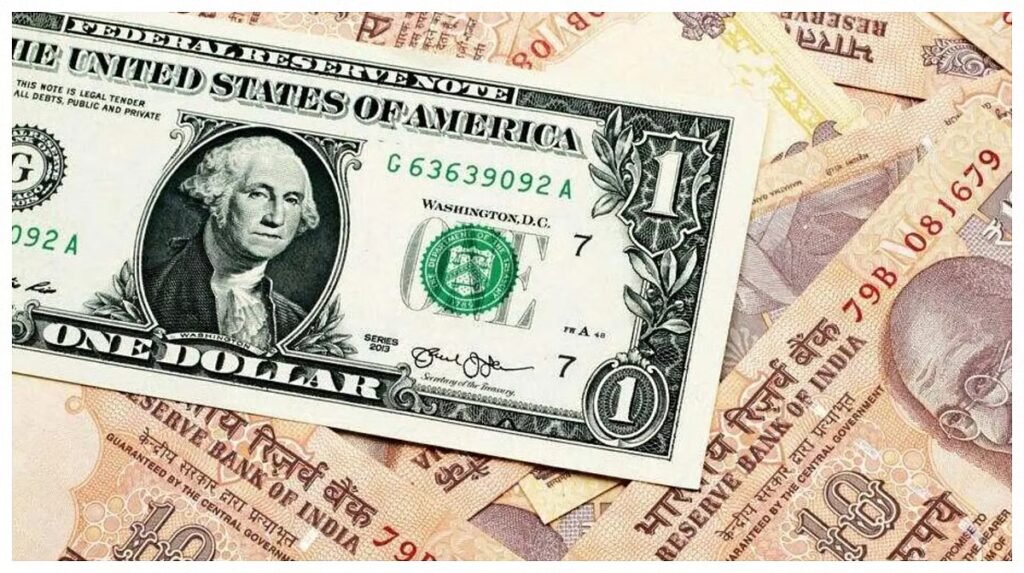
The Indian rupee opened 25 paise weaker at 95.52 against the US dollar on June 11, 2026. |
Mumbai: The Indian rupee continued to face pressure on June 11, 2026, opening weaker against the US dollar. The domestic currency opened at 95.52 per dollar, down by 25 paise from its previous closing level of 95.27.
This marks the second consecutive day of weakness in the rupee and has increased concerns among investors, importers and businesses that rely heavily on foreign currency transactions.
Why Is The Rupee Under Pressure?
Currency market experts say the main reason behind the pressure is the strength of the US dollar.
When the dollar becomes stronger, currencies of emerging economies often come under pressure. India is particularly sensitive because it imports a large portion of its crude oil and several other essential commodities.
A stronger dollar makes imports more expensive, increasing demand for dollars and putting additional pressure on the rupee.
What Is Happening To The Japanese Yen?
The Japanese yen, one of Asia’s most important currencies, also remained weak against the dollar.
On June 11, USD/JPY was trading around 160.48, showing a slight decline in the yen. Looking at the broader trend, the yen has weakened by 1.81 per cent over the past month and by 11.85 per cent over the last 12 months.
This suggests that global investors continue to view the US dollar as a safer investment option.
China’s Yuan Tells A Different Story
China’s yuan presented a different picture.
USD/CNY was trading near 6.7781, with the yuan showing minor weakness during the day. However, over the past month, the yuan has strengthened by 0.19 per cent against the dollar and has gained 5.51 per cent over the past year.
This indicates that despite short-term pressure, China’s currency has remained relatively stable in the longer term.
How Did Other Asian Currencies Perform?
Asian currencies showed mixed trends during the day.
The Singapore dollar, South Korean won, Taiwan dollar and Thai baht weakened slightly against the US dollar. On the other hand, the Philippine peso and Malaysian ringgit recorded modest gains.
Market data also suggested some relative strength in the Indian rupee compared with a few regional currencies, despite its weaker opening against the dollar.
What Does This Mean For Investors?
A weaker rupee can benefit export-oriented sectors such as IT and pharmaceuticals because their dollar earnings become more valuable when converted into rupees.
However, industries dependent on imports, including oil marketing companies and airlines, may face higher costs. Students planning to study abroad, international travellers and companies making dollar payments may also feel the impact.
For now, the key takeaway is that dollar strength is affecting several Asian currencies, not just the Indian rupee. However, domestic economic factors will continue to play an important role in determining the rupee’s future direction.