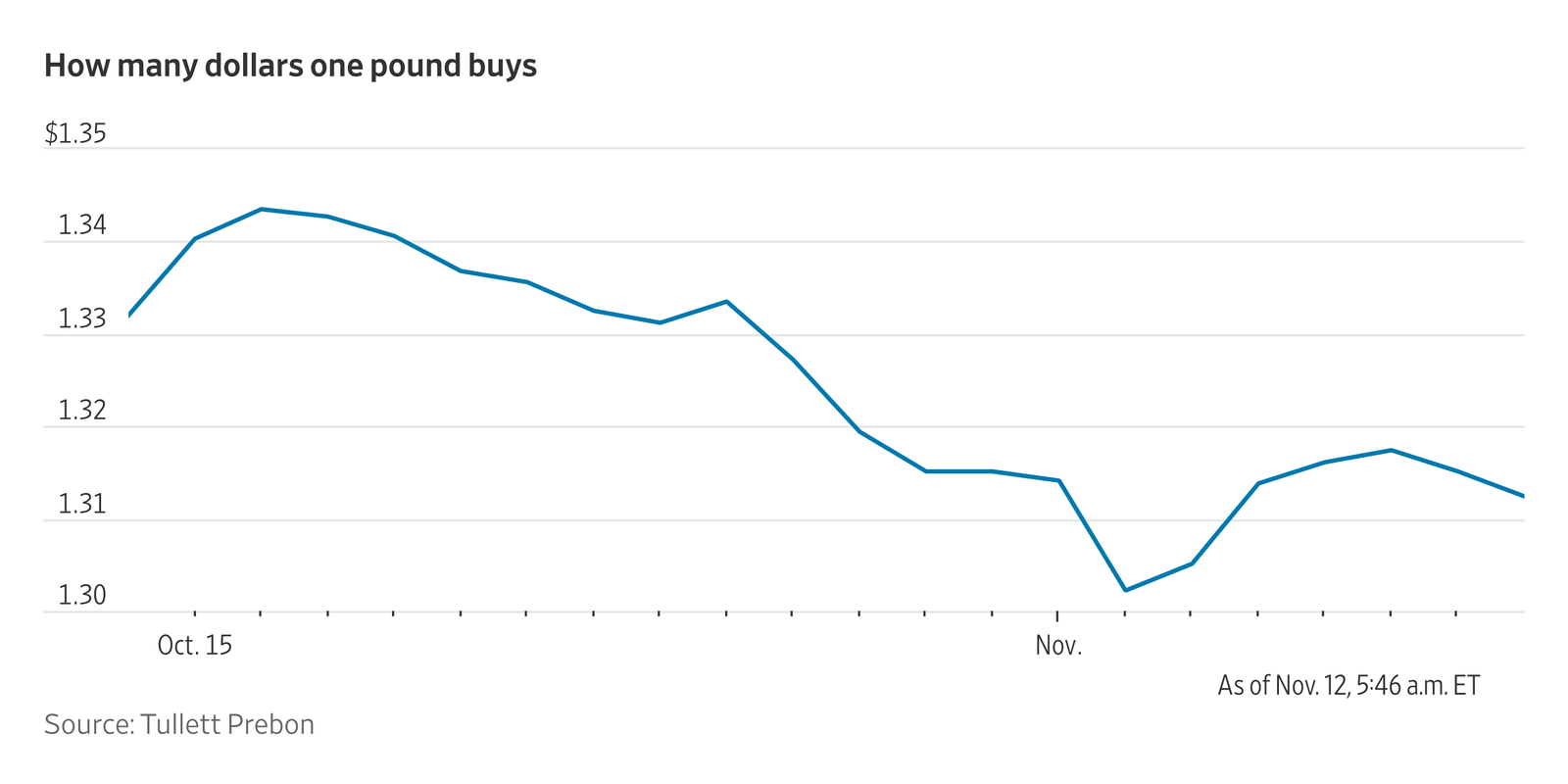

The Pound Sterling was a mixed performer against the Euro and US Dollar on Thursday after unexpectedly weak UK business activity data raised doubts over whether the Bank of England will be able to deliver a summer interest rate hike.
Pound to Euro (GBP/EUR): 1.15692 (+0.11%)
Pound to Dollar (GBP/USD): 1.34053 (-0.22%)
Euro to Dollar (EUR/USD): 1.15871 (-0.33%)
Fresh S&P Global/CIPS PMI data showed UK private-sector activity unexpectedly contracted in May.
The Composite PMI fell sharply to 48.5 from 52.6 in April, well below forecasts for 53.0, while the Services PMI dropped to 47.9 from 52.7, marking a significant deterioration in business conditions.
Manufacturing remained resilient, with the PMI holding at 53.7 and beating expectations. However, stronger factory activity was overwhelmed by weakness across the services sector, which accounts for the majority of UK economic output.
Pantheon Macroeconomics said the figures suggest the economic fallout from the Iran conflict and higher energy costs is increasingly being felt.
“The Iran War clearly began to bite on growth in April and May, with consumer indicators also worsening.”
Although the consultancy estimates that average PMI readings for April and May remain consistent with around 0.1% quarterly GDP growth in the second quarter, it warned that the latest survey points to increasing downside risks.
“The May reading in isolation points to downside risks to our call.”

July Bank of England Rate Hike Looks Less Likely
The disappointing survey follows weaker labour market and inflation releases earlier this week, creating a more difficult backdrop for Bank of England policymakers.
Pantheon believes the data significantly reduces the likelihood of a July rate increase.
“A July MPC rate hike looks unlikely after the PMIs complete a set of dovish data this week.”
While Pantheon has not yet abandoned its forecast for a summer move, economists acknowledged there is now a strong possibility that policymakers decide to wait for further evidence.
The dilemma for the Monetary Policy Committee is that growth is slowing sharply while inflation pressures remain elevated.
“The MPC now face a sharp trade-off between weaker growth and still rampant inflation pressure.”
Despite the collapse in activity indicators, the survey showed little sign of easing price pressures.
The services output price balance eased only slightly to 60.6 from 62.9 in April, a level Pantheon says remains exceptionally high by historical standards.
“The services output price balance eased to 60.6, from 62.9 in April, consistent with underlying services inflation accelerating to over 6.0% year-over-year.”
Pantheon also noted that inflation signals within the survey remain comparable to the surge seen during the 2022 energy crisis.
“Pricing indicators all point to accelerating underlying inflation.”
Forward-looking indicators also weakened notably. New orders fell back into contraction territory while business confidence dropped to its lowest level in more than a year.
“Future activity expectations dropped to the worst since last April.”
The consultancy estimates these forward-looking measures are consistent with a Composite PMI reading of around 49.7 in June, suggesting growth could remain subdued in the months ahead.
For Sterling, the weaker growth outlook may cap gains unless inflation remains strong enough to keep Bank of England tightening expectations alive.
While the collapse in UK services activity argues against a near-term Bank of England rate hike, persistent inflation pressures mean policymakers are unlikely to abandon tightening plans altogether, leaving Sterling caught between weaker growth and higher prices.