Pakistan’s PSX plunged 2.29% amid US-Iran uncertainty and Middle East tensions, raising oil, currency and confidence risks. Yet a fast IPO subscription shows investors still back credible firms—if peace returns.
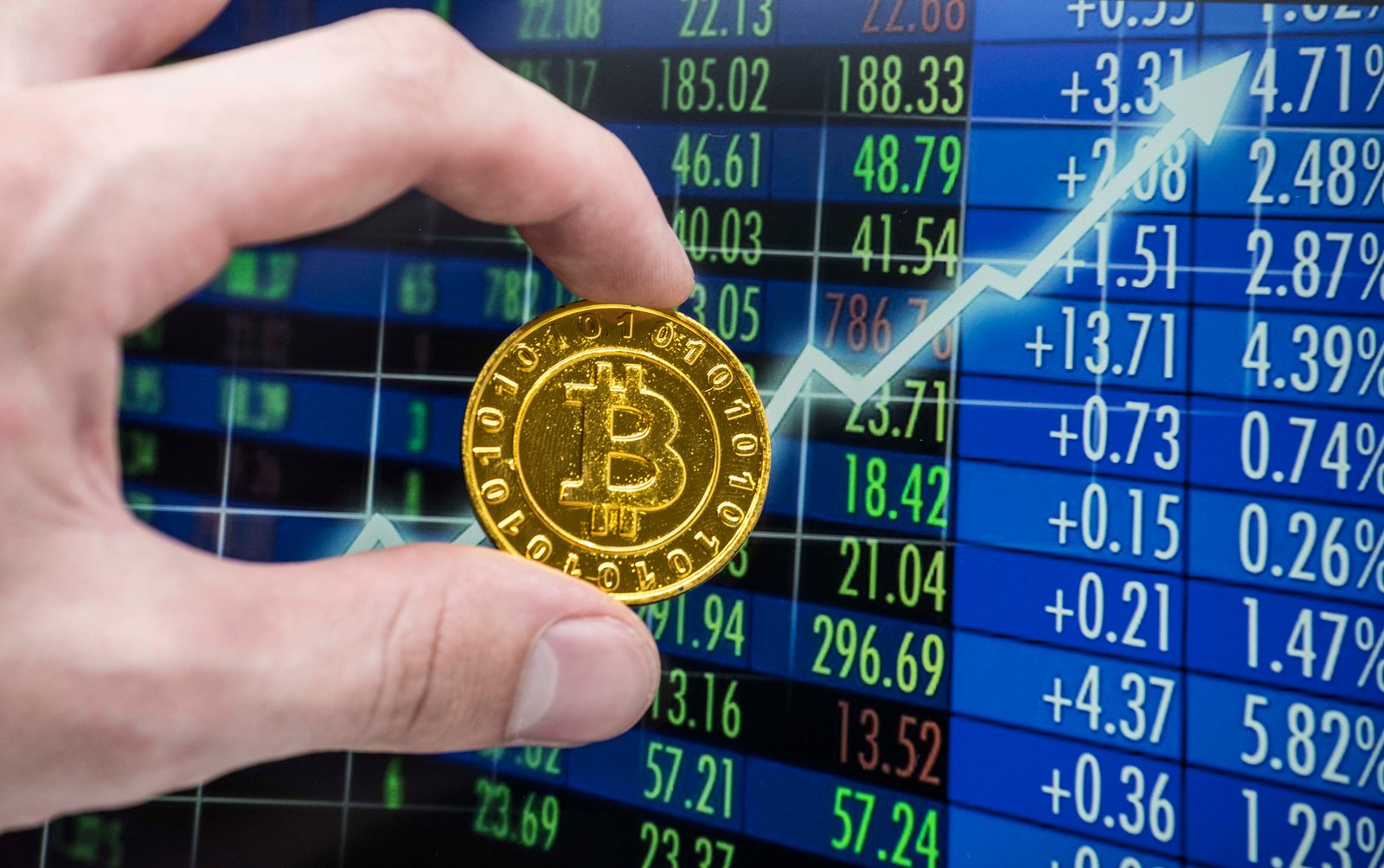
The Pakistan Stock Exchange’s nearly 3,800-point fall on Monday was not just another bad trading session. It was a reminder that war, uncertainty and unresolved global tensions are no longer distant diplomatic concerns for Pakistan. They are now immediate economic risks, transmitted through oil prices, currency expectations, investor nerves and business confidence. The KSE-100 Index closed at 161,805.02 after losing 3,791.05 points, or 2.29%, as geopolitical tensions and uncertainty around US-Iran negotiations weighed on sentiment.
The stock market is not the economy. It does not measure household income, industrial productivity or the condition of ordinary workers. But it does measure something important: how investors feel about the direction of the economy. When the market falls sharply, it is often telling us that confidence is weakening faster than official numbers can show.
Pakistan’s equity market has had a golden run over the past couple of years, helped by macroeconomic stabilisation, lower default fears and renewed interest in listed companies. But even this rally has not been immune to shocks. Global conflicts have repeatedly interrupted the momentum. Last year’s Pakistan-India war delivered one such blow. The current Middle East crisis is another.
That is why Monday’s market movement matters. Pakistan is an oil-importing economy with narrow external buffers. Any escalation in the Middle East raises the cost of energy, strains the current account and complicates the inflation outlook. For businesses, this means uncertainty over input costs. For investors, it means a higher risk premium. For policymakers, it means less room to manoeuvre.
Yet the same day also offered a counter-signal. Service Long March Tyres Limited’s IPO book-building was fully subscribed within five seconds of opening, one of the fastest such transactions in PSX history. The IPO was offered at a price band of Rs14.25 to Rs19.95 per share, with the book-building process scheduled for May 18 and 19.
That matters because it shows that investors have not abandoned Pakistan. They are still willing to back credible businesses, especially those tied to manufacturing, exports and localisation. The appetite is there. What is missing is a world calm enough for that appetite to convert into deeper, sustained capital formation.
This is where Pakistan’s diplomacy and economic interests converge. Islamabad is not merely a spectator in the US-Iran crisis. Pakistan has conveyed Iran’s revised proposal to the US, while Iran’s foreign ministry has acknowledged Pakistan’s role as mediator.
Pakistan must continue pushing for de-escalation, not as an act of diplomatic vanity but as an economic necessity. Peace in the Middle East is not only good for global stability. It is good for Pakistan’s balance of payments, its energy security, its investors and its businesses.
Markets can recover from a bad day. Economies recover more slowly from prolonged disorder.