By Jaspreet Kalra
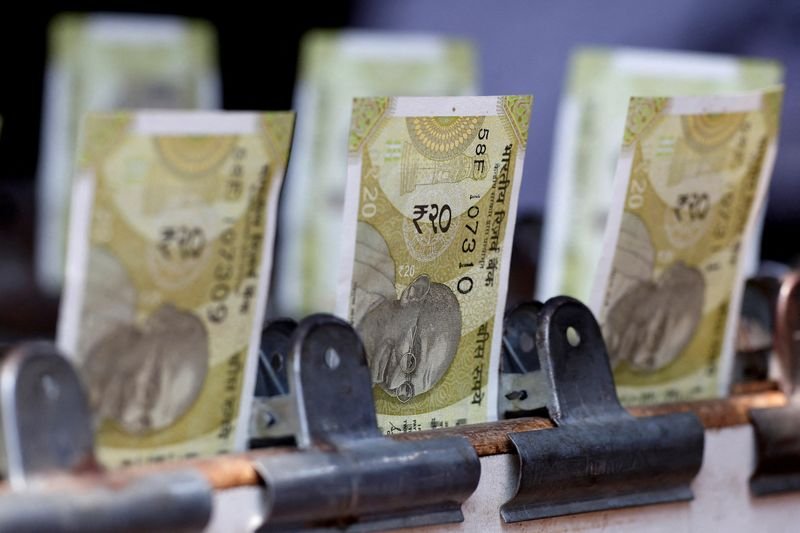
MUMBAI, April 30 (Reuters) – The Indian rupee fell to a record low on Thursday, as investors fretted over the economic risks confronting India from a resurgence in crude oil prices to 2022 highs, threatening the inflation-economic growth balance for the net energy importer and sapping capital flows.
The currency fell to 95.33 per dollar, down as much as 0.5% on the day, eclipsing its previous all-time low of 95.21 hit in late March. It subsequently pared losses to end at 94.91, only marginally weaker compared to the previous session.
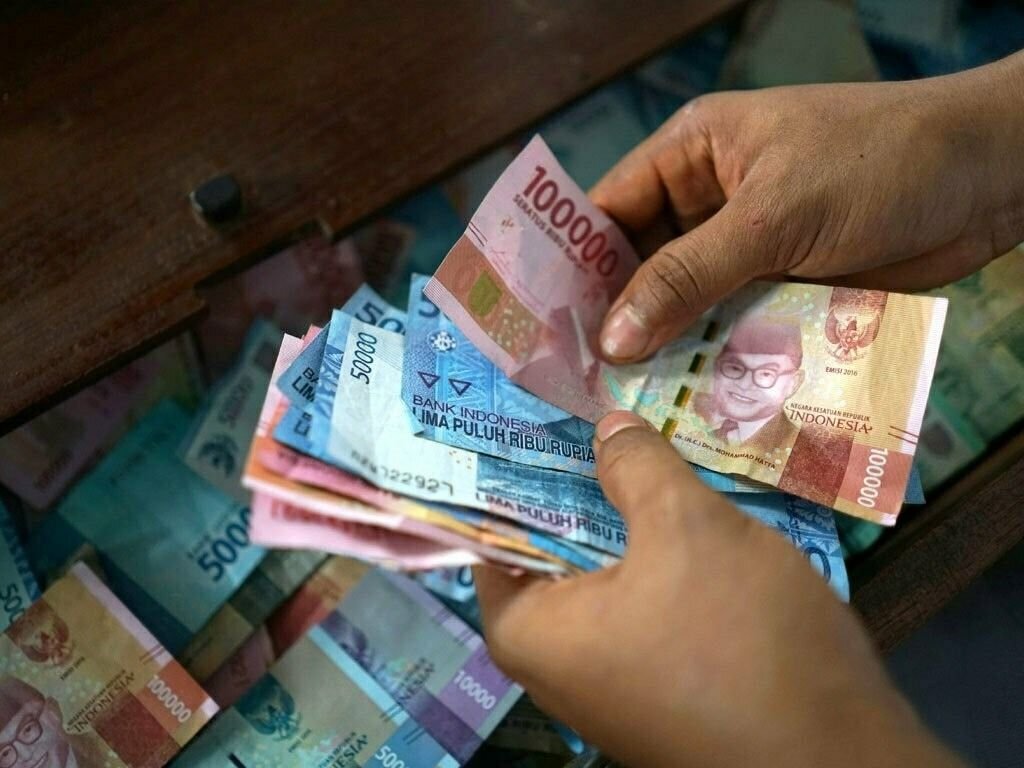
Oil-sensitive Asian peers such as the Indonesian rupiah also weakened on Thursday, after Brent crude futures climbed to $126.4 per barrel, the highest in four years, before turning lower on the day in a volatile session.
The rupee’s fall has wiped out gains spurred by the central bank’s use of rare currency-supportive regulatory measures late last month, leaving the currency flat month-on-month even after it rallied to 92.40 earlier in April.
The reversal has prompted traders and analysts to suggest that fresh regulatory measures could be on the cards.
If depreciation pressures persist, the Reserve Bank of India may consider measures to curb oil-related dollar demand from the spot currency market, curtailing imports of gold and tightening monetary policy to support the currency, said Vivek Rajpal, Asia macro strategist at JB Drax Honore.
“India’s historical patterns also show that higher oil prices often feed into inflation and eventually force the Reserve Bank of India to respond.”
FUNDAMENTAL STRAIN
The rupee has declined nearly over 5% so far in 2026, adding to similar sized drop last year, in a period where India’s external sector has faced persistent headwinds ranging from trade frictions with the U.S. to weakness in capital flows and most recently, the most severe energy supply disruption in history.
Persistent weakness in the currency may also drive a negative feedback loop on foreign capital flows by eroding overseas investors’ returns while adding to inflationary pressures by lifting import prices, analysts say.
Reflecting that anxiety, foreign investors have offloaded over $20 billion of Indian stocks and bonds over March and April so far, nearly double the $11.8 billion of outflows from the same markets over all of 2025.
“After breaking through the key psychologically important level of USD/INR 95.0, risks of further INR weakness remain, with potential to hit our 2026 year-end forecast of 96.80 sooner than expected,” analysts at Barclays said in a note.