Geopolitical Tension vs. The U.S. Labor Market Crash
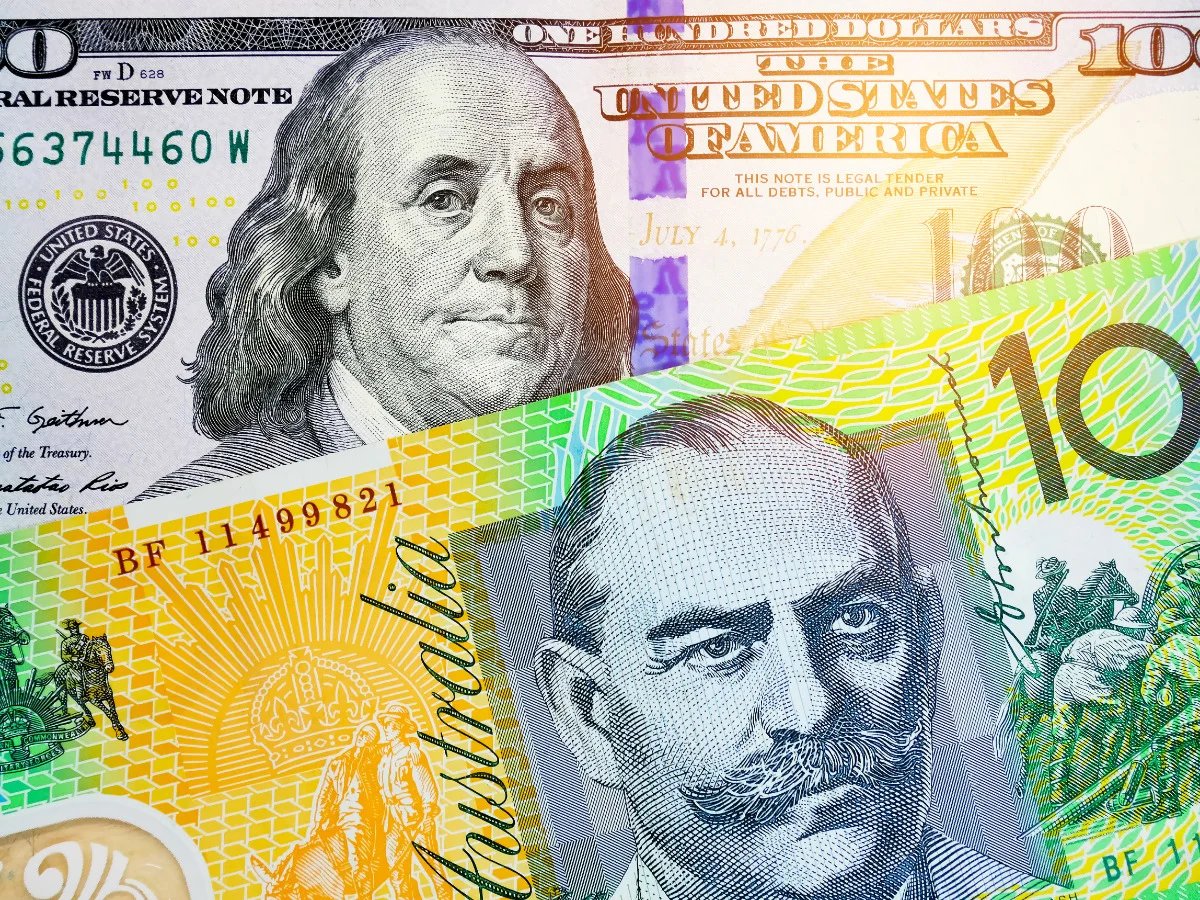
At the start of the week, things looked a bit more rosy for the US Dollar, with military action in the Middle East sending dollars flooding in as people sought safe-haven assets. But the massive 92,000 job losses in one month, the biggest four-month decline since the pandemic, have sent alarm bells ringing about the potential for stagflation in the US.
Now traders have to weigh up the threat of global tensions versus the possibility that the Federal Reserve might have to start easing policy if the slowdown continues.
- The US non-farm payrolls came in a whopping 92,000 short of forecasts – a much bigger miss than anyone was expecting.
- The labour participation rate has slipped to a 5 year low, which is starting to suggest some pretty deep structural problems in the US economy.
- A further downwards revision to earlier data in December and January suggests that the US labour market was already starting to weaken before the February numbers came out.
The RBA Policy Divergence and the 4.10% Target
In stark contrast to the slowing US jobs market, the Reserve Bank of Australia is still in a very hawkish mood. Governor Michele Bullock has made it clear that every RBA meeting is a live one, which she backs up by pointing to strong 2.6% annual GDP growth and inflation running at 3.8%+.
This means that while US interest rates are probably on the way down, Australian interest rates could still be going up – which is making the Australian Dollar look a pretty attractive prospect for carry traders looking to make a buck.
Markets now reckon there’s a very good chance of another 25 basis point rate hike to 4.10% at the March 17 meeting. While household spending in Australia came in a bit lower than expected, the economy is still getting a boost from strong business investment and a higher than expected 6.9% saving rate.
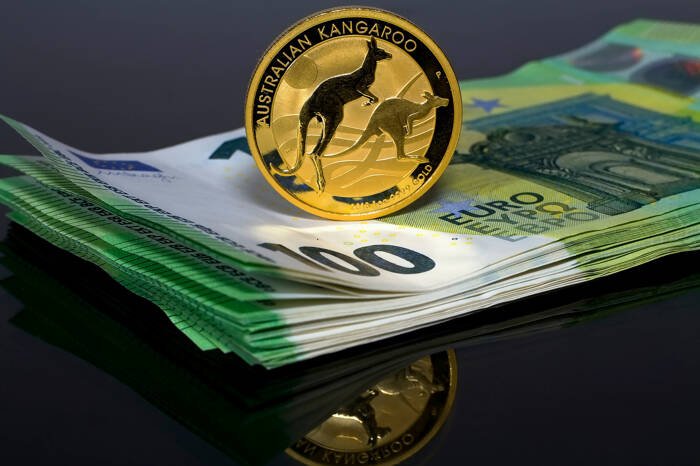
There’s the bonus of record gold prices and stable iron ore exports helping to keep the currency afloat – even as worries about energy supplies in the Strait of Hormuz keep the market on the edge of its seat.