Oil price surge and Middle East conflict weigh on AUD/USD
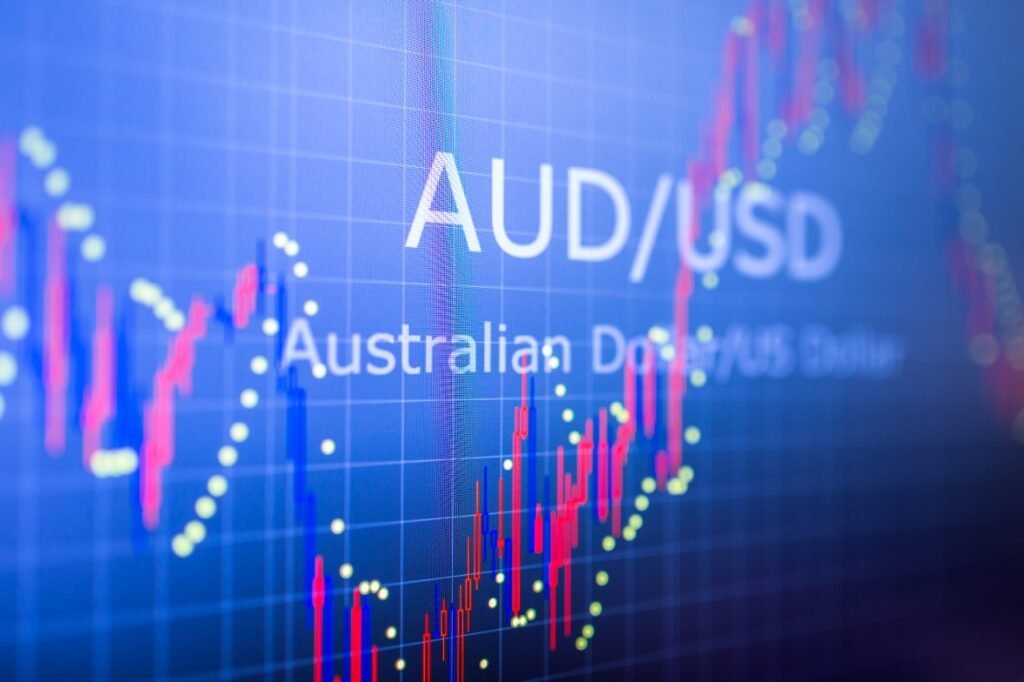
AUD/USD ended lower last week at 0.7030 (-1.21%), snapping an impressive six-week winning streak. The decline was primarily driven by intense risk aversion stemming from increasing anxiety over the conflict in the Middle East.
The Australian dollar faced steady pressure as the regional situation deteriorated, prompting safe-haven flows into the US dollar. While the associated rise in oil prices offered some theoretical support to the commodity-linked AUD, the broader risk-off environment and fears of a hit to global growth from soaring energy costs proved far more influential.
The theme intensified dramatically over the weekend. With neither side showing willingness to back down in the escalating standoff, and no quick solution in sight to restore energy flows through the Strait of Hormuz, WTI crude oil surged up to 31%, reaching a high of $119.48.
The violent move caught many participants by surprise and triggered sharp selling across risk assets, particularly within Asian equities. Consequently, AUD/USD pressed lower again before finding support just ahead of last week’s 0.6942 low.
Looking ahead
The trajectory for AUD/USD will now be shaped almost exclusively by developments in the Middle East and the path of oil prices. Notably, at the peak today, crude was less than 10% away from the $130.50 high seen after Russian troops crossed the border into Ukraine.
On the domestic front, traders will closely watch the Australian consumer confidence report due tomorrow, previewed below. Markets will also be closely monitoring media reports for any clues regarding next week’s Reserve Bank of Australia (RBA) board meeting, where the interest rates market is currently pricing in about a 37% chance of a 25 basis point (bp) rate hike to 4.10%.
Westpac consumer confidence
Date: Tuesday, 10 March at 10.30am AEDT
For February, the Westpac consumer sentiment index fell 2.6% to 90.5 from 92.9 in January, marking the third consecutive monthly drop and extending a period of softness driven by ongoing cost-of-living pressures and the impact of the RBA’s recent 25 bp rate hike – the first in over two years.
The upcoming March reading faces additional headwinds from the escalation in Middle East tensions, which could amplify concerns around energy prices and inflation, accompanied by hawkish RBA rhetoric. RBA Governor Michele Bullock last week emphasised that every RBA meeting ‘is live’ and signalled the Board is vigilant to risks of unanchored inflation expectations due to the uncertain geopolitical backdrop.
This combination of factors will likely lead to a fourth straight month of falls, potentially pushing the index towards 88, marking the lowest reading since September 2024, highlighting ongoing caution among households.