Euro banknotes set for redesign as ECB prepares future currency update
Credit : sasirin pamai, Shutterstock
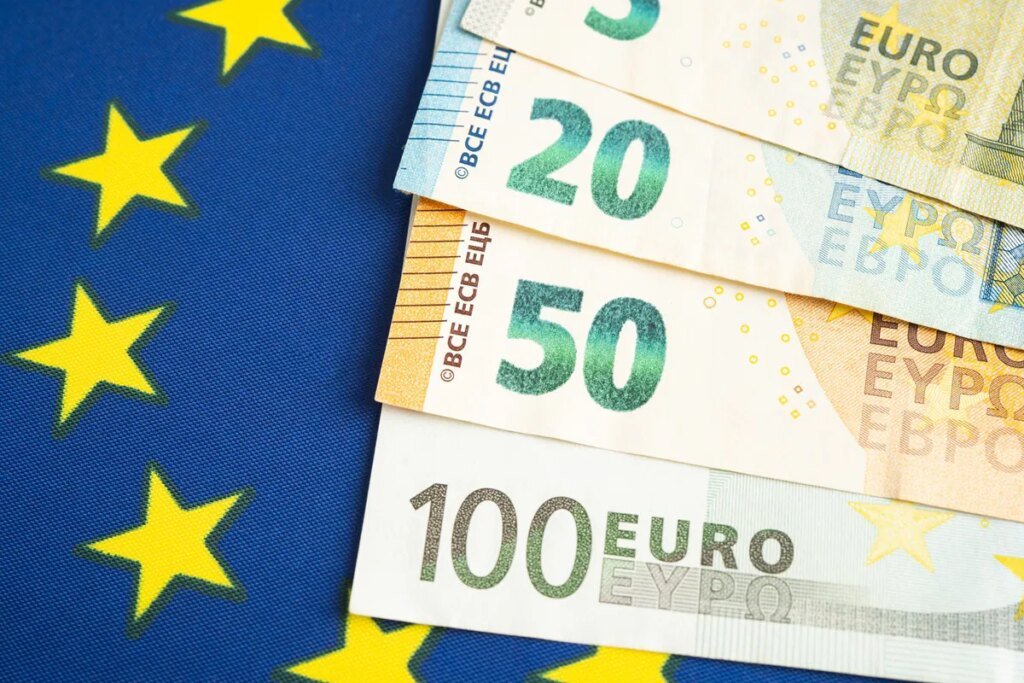
The European Central Bank is preparing a brand-new generation of euro banknotes, with redesigned visuals and upgraded security features, and a final decision on what they’ll look like is expected in 2026.
What matters for everyday life, though, is simple: the cash you already have isn’t going anywhere anytime soon. The change will be slow, gradual and largely unnoticed at first.
Still, the move says a lot about how Europe wants its currency to evolve in a world where digital payments keep growing but cash hasn’t lost its place.
A redesign meant to feel closer to people
The idea behind the new notes isn’t just about security. There’s also a clear attempt to make euro banknotes feel more relatable and culturally meaningful.
Early discussions suggest future designs could highlight well-known European figures and shared heritage, with names such as Beethoven, Marie Curie and Leonardo da Vinci often mentioned in the conversation. Nature may also play a role, with possible themes involving rivers, wildlife and landscapes.
In a rare step for something as technical as banknote design, the public is expected to be involved, with consultations and a design competition planned before the ECB makes its final choice.
Nothing will change overnight. Even once designs are approved, production and circulation take years.
Your current banknotes aren’t being withdrawn
This isn’t a swap-out situation where people suddenly need to exchange cash. As with previous updates, new notes will gradually enter circulation while older ones continue to be used normally.
Europe has already done this before. The €500 note stopped being produced back in 2019 to combat money laundering, yet it never lost its value and can still be spent or deposited.
The same slow transition is expected again – meaning most people will barely notice when the new notes start appearing.
Cash isn’t disappearing – even with the digital euro coming
At the same time, the ECB is working on the digital euro, a project that often sparks confusion and rumours about the end of cash.
Officials insist that isn’t the case. The digital euro is being developed as an additional payment option rather than a replacement, reflecting how spending habits are changing while keeping central bank-backed money available in digital form.
Cash, they say, remains essential – both for accessibility and for resilience during technical disruptions.
For now, the biggest takeaway is reassurance. Your euro banknotes remain valid, there’s no deadline to exchange them, and any visible changes are still years away.
But the redesign does reveal something bigger: Europe is trying to modernise its currency without losing the familiarity people still rely on every day.
So while your wallet won’t suddenly look different tomorrow, the euros you carry could quietly evolve over the coming years – part design update, part security upgrade, and part reflection of a continent adapting to a more digital financial future.