Published Wed, Feb 11, 2026 · 11:58 AM
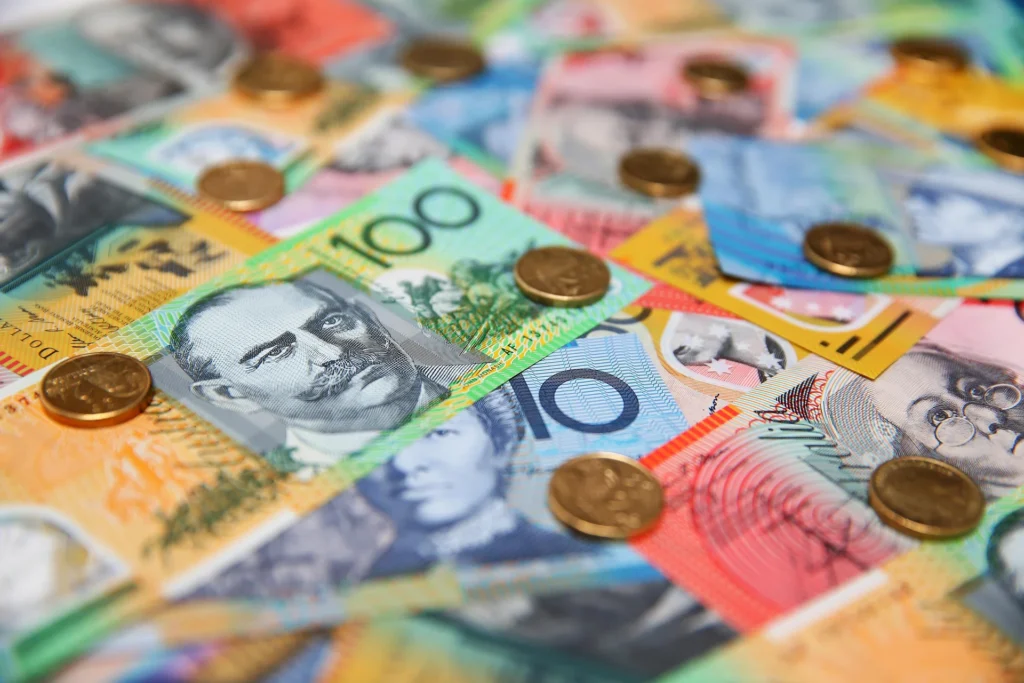
[SYDNEY] The Australian dollar climbed to a fresh three-year peak on Wednesday as the central bank signalled hawkish policy again, while the greenback came under pressure from softer US economic data.
The Aussie climbed 0.7 per cent to reach US$0.7122, the first break above the 71-cent barrier since early 2023. The next chart target is a top from early 2023 at US$0.7158 and then US$0.7282.
It also struck an 11-month top on the euro at 0.5576 and a nearly 13-year high on the New Zealand dollar.
The Aussie strengthened after Reserve Bank of Australia Deputy Governor Andrew Hauser said inflation remains high and the economy was hitting capacity constraints, reinforcing investor speculation that further policy tightening might be needed.
The RBA hiked its cash rate a quarter point to 3.85 per cent last week and markets imply around a 70 per cent chance rates will rise to 4.10 per cent at the RBA’s meeting in May, following the release of first-quarter inflation figures.
Adding to the case for a rate hike, data on Wednesday showed mortgage lending jumped an outsized 9.5 per cent in the fourth quarter, while investment loans climbed to a record, suggesting financial conditions were looser than the RBA expected.
Navigate Asia in
a new global order
Get the insights delivered to your inbox.
The kiwi dollar was firm at US$0.6059, having gained 0.3 per cent so far in the session. Resistance remains at recent high of US$0.60925 and the 2025 peak at US$0.6120.
The Reserve Bank of New Zealand will meet next week and is considered certain to leave rates at 2.25 per cent, having cut by a total 225 basis points over the past year or so.
Investors will focus on the central bank’s cash rate projections and whether a first hike is still expected in mid-2027. Markets currently price a 75 per cent chance of a September increase, with a move to 2.5 per cent fully priced for October.
Kelly Eckhold, chief NZ economist at Westpac, expects the first hike in December but sees enough signs of activity accelerating to suggest spare capacity in the economy will be used up by early 2027.
“Hence, we have revised up our view of how quickly the RBNZ will lift the OCR over 2027,” said Eckhold. “We expect a standard cycle where the OCR is raised by 25bp at each meeting from February to September, and peak at 4.25 per cent in early 2028.” REUTERS
Decoding Asia newsletter: your guide to navigating Asia in a new global order. Sign up here to get Decoding Asia newsletter. Delivered to your inbox. Free.