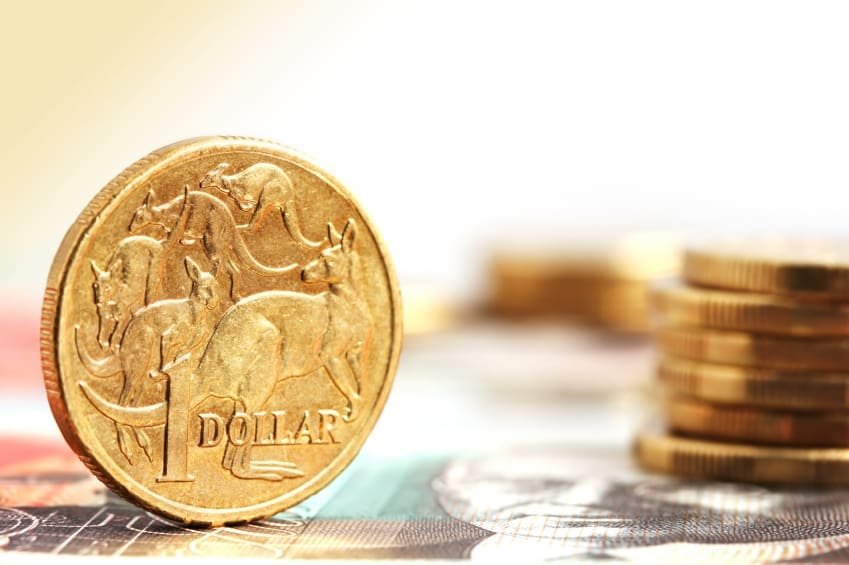
THE Australian dollar has surged to three-year highs this morning, hitting US70.13c during trading – levels not seen since a brief spike in early 2023.
The previous time the currency was consistently above US70c was during the COVID era between 2020 and 2022.
 Currency analysts suggest the current trend is more about an erosion in confidence in the US$ and concern about tariffs, rather than any particular support for the Aussie currency.
For the past 12 months the Aussie has mainly traded within a range from 62-66c, but has broken out since December, lifting US3c over the past eight days.
The US dollar sank to a near four-year low against a basket of currencies this week as President Trump’s erratic approach to trade, fiscal and monetary policy motivated investors to limit exposure to North American assets.
“The Australian dollar’s gains continued to be driven by a number of factors, including broad-based weakness in the US dollar which has accelerated post last weeks Greenland drama’s and is now poised for a perilous break lower,” an analyst said.
Supporting the advance has been soaring prices for the base and precious metals – major Australian exports.
This morning the Australian Bureau of Statistics released quarterly inflation data, reporting the inflation rate for the three months until the end of December at 0.9 percent, slightly above market expectations of 0.8pc. That’s driven the expectation that the current A$ trend will continue, and that the Reserve Bank of Australia may consider lifting interest rates when it meets next Tuesday, February 4.
Data released on Tuesday showed consumer confidence in the US has plunged in January to its lowest level since 2014, as American households’ concern grows about inflation and elevated costs of living.
The US currency’s 8pc collapse has occurred while precious metals such as gold (+52pc), silver (+96pc) and copper (+36pc) have all soared. Gold yesterday surged above $US5100 ($A7280) an ounce for the first time.
A rising Aussie dollar works against beef exporters, making consignments less price competitive in international markets. Most Australian export beef – around 70 percent of all beef produced in this country – is traded in US$.
During times of high beef demand and limited supply, such currency increases tend be worn by the importer, while the movement is shared more with the exporter when demand is less.