China’s strongest yuan fixing in years signals greater tolerance for currency appreciation, raising questions over export competitiveness while adding pressure on the US dollar amid eroding confidence in American assets.
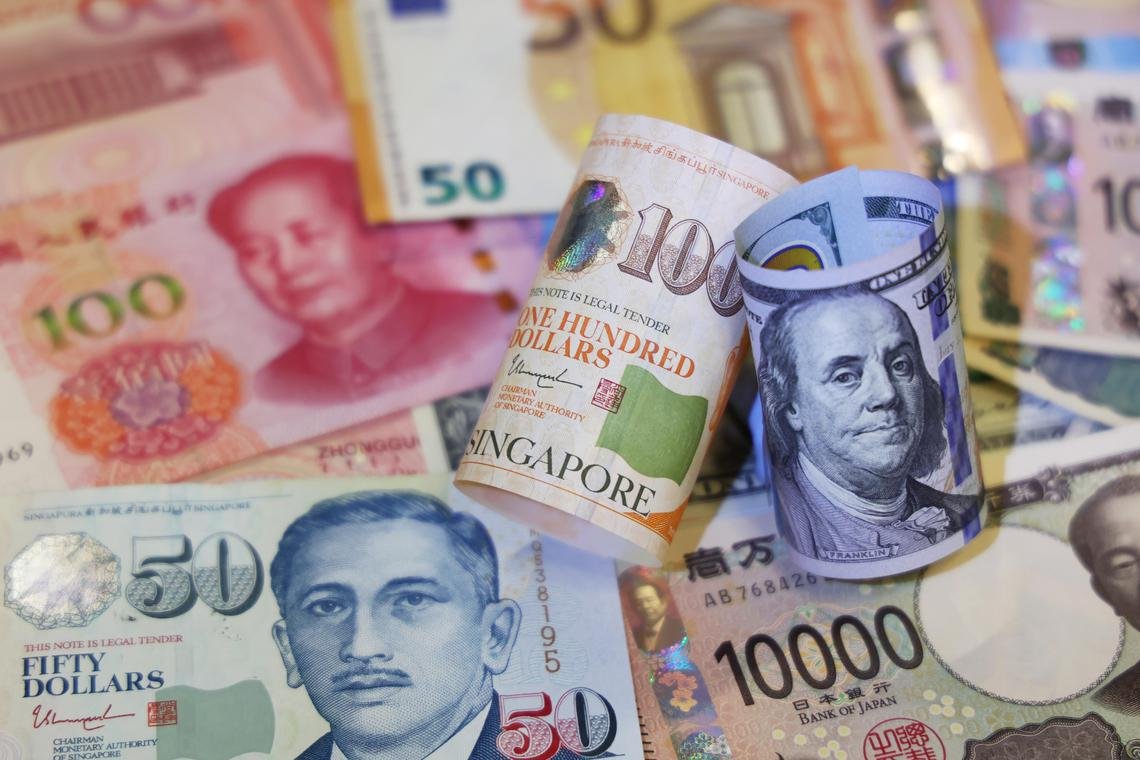
China has set its yuan at its strongest fixing against the US dollar in years with the daily midpoint rate dipping just below the critical 7-per-dollar threshold, a psychological marker watched by markets. The People’s Bank of China (PBoC) fixed the yuan’s rate at just under 7.00, reflecting a steady strengthening trend amid broad dollar weakness.
While the yuan’s appreciation remains modest compared with other major currencies, Beijing’s tolerance for a stronger renminbi signals a shift from past emphasis on keeping the currency weak to support exporters. Historically, the yuan hovered comfortably above 7 per dollar but breaking closer to that level and even reaching fresh multi-month highs in offshore trading, suggests a nuanced policy stance that balances market forces, export interests and broader geopolitical cues.
At the same time, confidence in US dollar assets has been dented by political and economic pressures on the Federal Reserve, with analysts warning that turmoil around the Fed’s independence could weaken global trust in the dollar’s safe-haven status. This unfolding financial landscape has made alternatives like the yuan marginally more attractive in certain contexts, though the dollar’s global primacy remains unchallenged for now.
A subtle shift in currency dynamics
China’s currency strategy reflects a careful calibration. By signalling an openness to a stronger yuan without abrupt swings, Beijing is managing domestic export costs while leveraging global shifts away from singular dollar reliance. The stronger fixing, closer to a level that had been psychologically and politically sensitive, suggests policymakers are confident in the currency’s stability and see value in a measured appreciation.
However, the yuan’s climb presents a double-edged sword for China’s exporters. A stronger yuan makes Chinese goods more expensive in global markets, potentially narrowing the cost advantage that has long underpinned China’s export-oriented growth model. Many analysts caution that if the currency appreciates too quickly or too far, export competitiveness in price-sensitive sectors could suffer, particularly against rivals in Southeast Asia and other emerging markets.
This trade-off highlights why the PBoC appears to be guiding the currency’s strength rather than letting it float freely, a controlled appreciation allows Beijing to maintain credibility in markets while avoiding significant damage to export volumes. Exporters, particularly in labour-intensive industries, could see margins tighten if the yuan strengthens beyond current levels, prompting calls for supportive fiscal or monetary measures to offset any adverse impact.
Implications for the dollar and global trade balance
The move also comes at a time when markets are increasingly questioning the dollar’s unassailable position. Political and monetary tensions in the United States have led to bouts of dollar selling and capital flows into alternative assets, including safe havens like gold and, in some cases, currencies beyond the greenback. While the yuan is still far from replacing the dollar in global finance, China’s efforts to internationalise its currency through yuan-denominated bonds and its own payment systems point to a long-term strategy that chips away at dollar dominance in specific corridors of trade and finance.
Globally, a stronger yuan paired with a softer dollar could reshape competitive dynamics. For countries heavily reliant on dollar-priced commodities or financing, a weaker greenback may reduce import costs and ease debt servicing burdens. Conversely, China’s export partners could face new pricing pressures if the yuan continues its upward drift, forcing adjustments in trade strategies.
In sum, while the dollar remains dominant in global reserves and international payments, China’s measured strengthening of the yuan reflects evolving economic priorities and a more assertive role in international finance. The implications from export competitiveness to currency hierarchies warrant close watch as global markets adjust to a more multipolar currency landscape.
End of Article