“We don’t conduct trade policy on the basis of currency exchange rates. Trade policy is a medium- to long-term policy,” she added.
Instead, Gonzalez said the EU supports Chinese promises to usher-in a gradual readjustment of the currency.
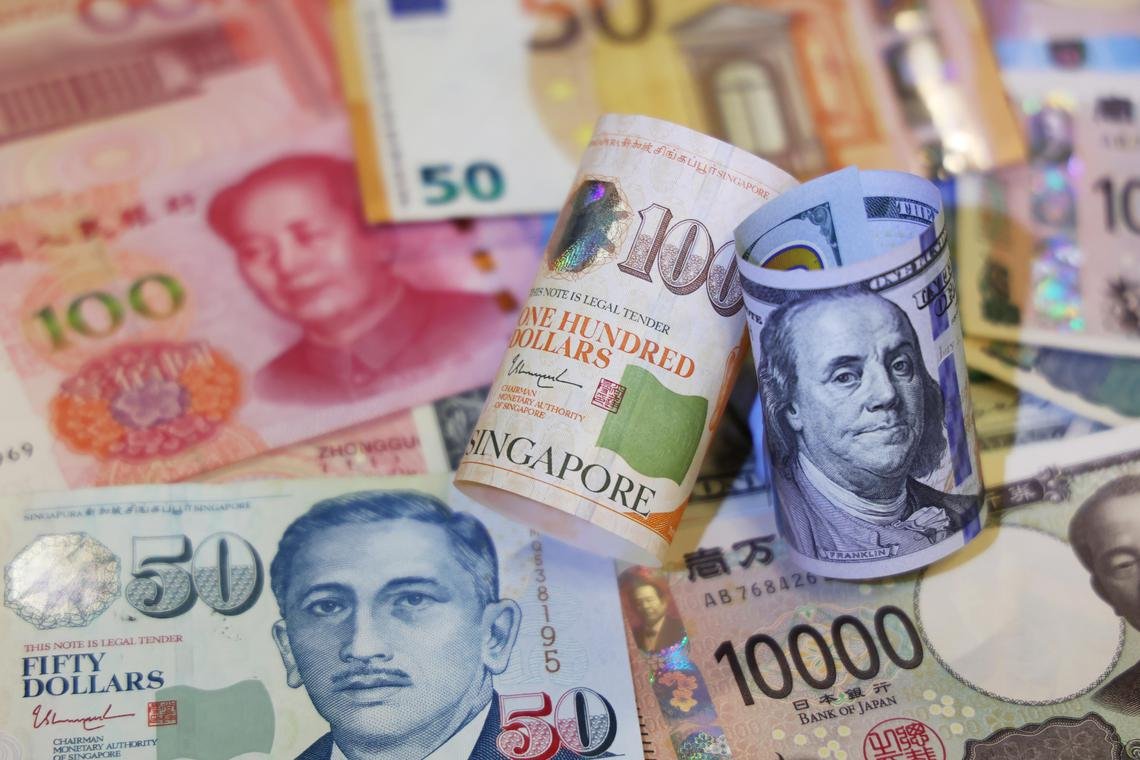
A group of US manufacturers, labour groups and farmers is complaining to the Bush administration that Beijing’s practice of pegging the yuan renminbi at 8.28 to the dollar gives Chinese exporters an unfair advantage by artificially making their goods cheaper in world markets.
In Europe, the euro’s recent 25% appreciation against the US dollar has led to a dramatic decrease in the cost of imports from China.
This is a boon for EU consumers of everything from fireworks to flat-pack furniture. But the flip side is that it is far harder for European firms to sell goods in China as long as Beijing refuses to let its currency appreciate.
The governor of the People’s Bank of China, Zhou Xiaochuan, appeared to encourage Beijing’s trade partners last weekend.