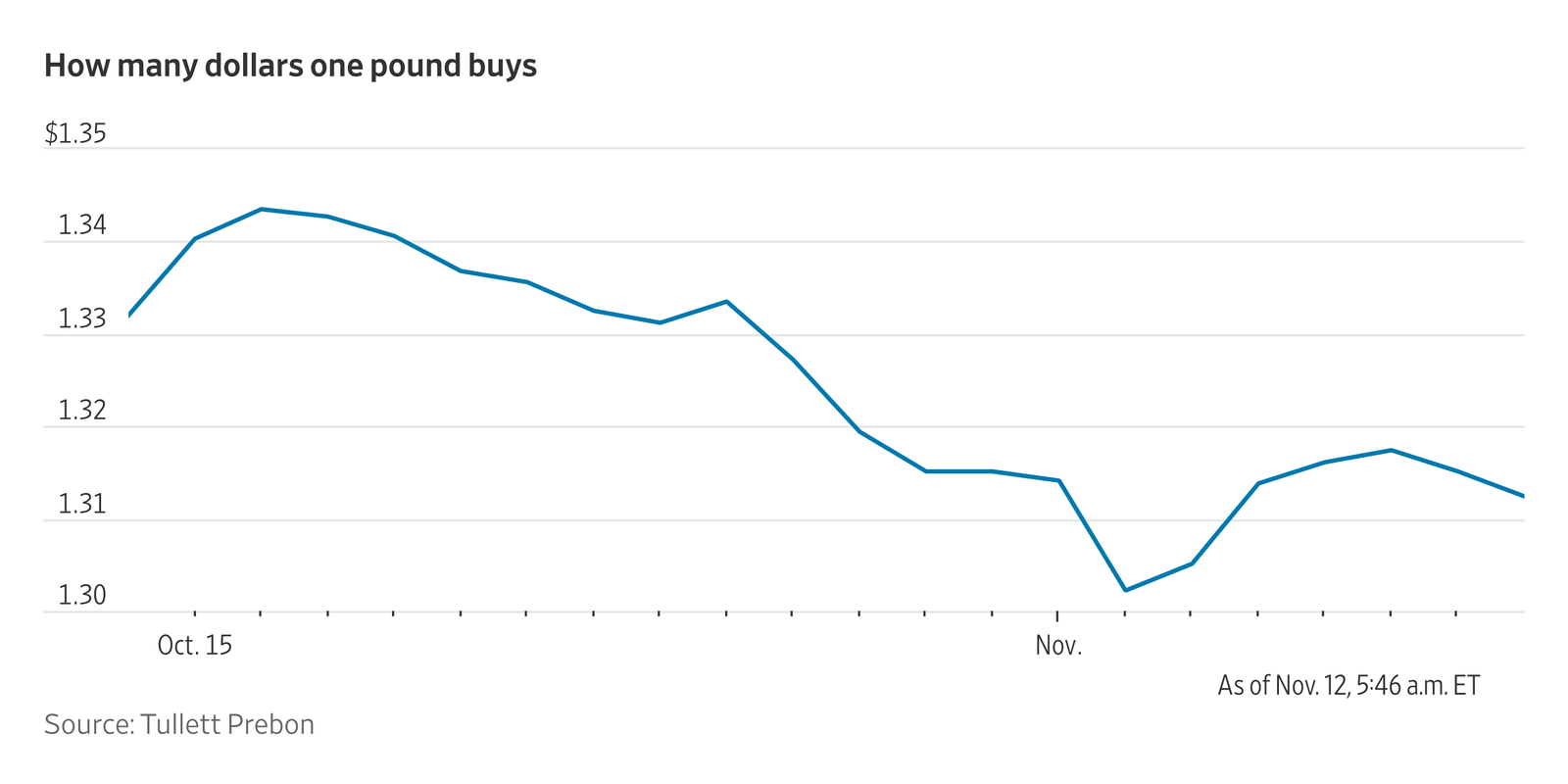
The British pound held tight near its weekly peak Thursday. Traders scrambled to digest fresh U.S. inflation numbers that caught markets off guard and sent the dollar into a tailspin across major currency pairs.
U.S. consumer prices jumped 0.4% in March, way above what most economists expected. The surprise spike got traders buzzing about whether the Federal Reserve will slam the brakes harder on the economy with another rate hike. Dollar strength that dominated recent weeks suddenly looked shaky as investors second-guessed Fed policy moves ahead.
Markets hate surprises. This one delivered.
Fed Policy Uncertainty Grows
Jerome Powell and his Fed colleagues now face tougher choices after the inflation data landed with a thud. Powell said earlier this week that officials remain “vigilant” about price pressures, but he didn’t tip his hand on future rate moves. That’s left currency traders guessing about the Fed’s next steps.
The central bank kept rates unchanged at its March 30 meeting, citing the need for more data on inflation trends and economic growth. But that was before Thursday’s CPI bombshell hit trading desks. Now Fed watchers think another rate increase can’t be ruled out when policymakers meet next month.
“We’re basically flying blind until the Fed gives clearer signals,” said one London-based currency strategist who didn’t want to be named. Market volatility reflects that uncertainty pretty clearly.
Pound Finds Its Footing
Sterling managed to stay steady around $1.26 despite all the dollar drama swirling through forex markets. UK economic confidence helped prop up the pound, even though Britain faces its own inflation headaches and slowing growth concerns.
The Bank of England has kept its powder dry on rate changes, sticking with current policy while officials watch how price pressures develop. That cautious approach seems to be working for now, with the pound holding ground against major rivals. This development aligns with Dollar Crashes Hard on Iran Deal, highlighting broader market trends.
But traders aren’t getting too comfortable yet. UK GDP figures drop next week from the Office for National Statistics, and those numbers could shake things up fast. A strong reading might push sterling higher, while weak growth data could send it tumbling.
HSBC analysts think the pound has room to climb if UK economic data keeps beating expectations. Their April 9 report flagged potential for sterling to test higher resistance levels, especially if GDP shows solid growth momentum.
And Barclays just revised its dollar outlook after the inflation surprise. The bank now sees headwinds for the greenback if the Fed holds back on aggressive rate hikes. Several other investment houses share that view, watching Fed signals like hawks.
Gold traders jumped on the dollar weakness too. The precious metal climbed to around $1,930 per ounce Thursday as investors sought safe havens amid currency market chaos. That move shows how inflation fears are rippling through different asset classes.
European Central Bank boss Christine Lagarde added her voice to the policy mix April 8. She promised the ECB will keep supporting eurozone economies through current monetary policy, even as inflation pressures mount across the region. Her comments highlight how central banks worldwide are wrestling with similar challenges.
The forex market stays jumpy about any fresh data or policy announcements. Traders keep hunting for clues about global economic direction, trying to balance growth hopes against stubborn inflation that won’t quit. Currency swings could get wilder if more economic surprises land in coming weeks. This echoes themes explored in Milkers Cryptocurrency Surges 7% Against British, underscoring the shifting landscape.
UK trade negotiations and fiscal policy decisions continue weighing on pound performance too. But for now, dollar uncertainty seems to be giving sterling some breathing room in what’s been a pretty volatile trading environment lately.
Interest rate futures markets reacted swiftly to the inflation surprise, with traders now pricing in a 65% chance of another Fed rate hike by June. CME Group’s FedWatch tool showed odds jumping from just 35% earlier in the week. Bond yields spiked across the curve as investors repositioned for potentially tighter monetary policy ahead.
The ripple effects reached commodity markets beyond gold, with oil prices gaining momentum on dollar weakness. Brent crude pushed above $85 per barrel as the softer greenback made energy more attractive to international buyers. Meanwhile, copper and other industrial metals posted solid gains, reflecting broader currency-driven moves that often amplify during periods of Fed uncertainty.
Post Views: 14
Frequently Asked Questions
What was the March U.S. inflation reading?
U.S. consumer prices rose 0.4% in March, exceeding economist expectations and raising questions about Federal Reserve policy.
Where is the British pound trading against the dollar?
The pound held steady near $1.26 on Thursday, maintaining its weekly high despite dollar volatility from the inflation data.