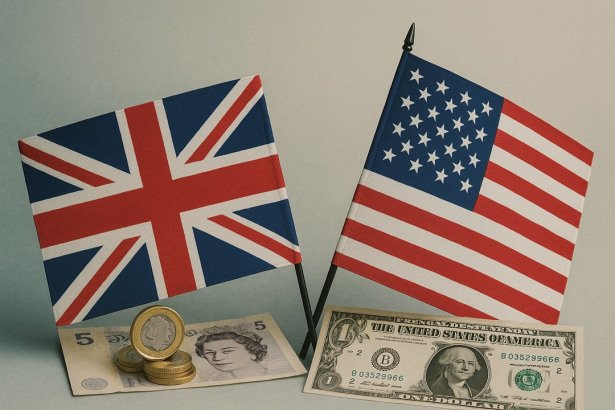
Amid a mostly slow week with American markets closed on 27 November for Thanksgiving, the pound sterling made strong gains overall against most other major currencies after the hotly anticipated British budget. While Chancellor Rachel Reeves didn’t actually hike rates of tax, fiscal drag and other less unpopular measures will double fiscal headroom to more than £20bn. This article summarises the budget and market’s reactions to it then analyses briefly the charts of GBPUSD and GBPJPY.
There was some instability in bond markets in the immediate runup to the budget as the Office for Budget Responsibility (‘the OBR’) mistakenly released its summary about 40 minutes before the chancellor had started speaking. However, yields are overall down significantly from the peak in early September:

Politicians in general seem to have learnt lessons from September 2022’s mini budget and its catastrophic effect on bond markets and, by extension, the pound. Relative to the intensity of speculation for many weeks before the budget, yields didn’t move much at all, so sentiment has been an important factor driving the pound up in the last few days.
More fiscal headroom and overall lower severity of measures compared to the worst case scenario have given traders more confidence. The question remains whether backbencher-friendly measures like scrapping the limit for child benefits will strengthen Labour’s current leadership in the longer term or just kick the can down the road.
Forecasts for growth and inflation were revised downward as widely expected: these probably won’t affect the Bank of England’s policy immediately, with a single cut to 3.75% still widely expected on 18 December. While some participants might question whether the government can actually deliver on fiscal drag – freezing the thresholds of income tax – for much longer, considering its unpopularity, the overall package has been received at least slightly positively.
The pound moved up in late November after the British budget was received positively overall, with relatively low instability in bond markets. Fiscal drag will raise the government’s headroom significantly over the next few years and isn’t nearly as unpopular as an outright tax hike. Meanwhile, the dollar has struggled recently as participants have shifted again to expecting a cut from the Fed in December, with some expectations for a total of three cuts in 2026.
A spike in buying volume and a fairly large body on 26 November might suggest follow-through on the current bounce, but it’s probably too early to be looking actively for a new uptrend. Another close above $1.32 might be important for possible confirmation. An obvious medium-term target would be the 23.6% weekly Fibonacci retracement around $1.337, but the 50 SMA from Bands will probably be a dynamic resistance before that.