Recent price action shows the local currency is cooling off against the British pound amid growing interest in naira-denominated assets and the CBN’s efforts to mop up dollar liquidity in the Nigerian foreign exchange market.
The latest data from the CBN indicates the Nigerian naira traded at about N1,842/£1 in the official market.
Technical patterns confirm that the psychological ‘break’ below N1,900/£ is highly significant, considering the Naira’s sustained resistance at that level throughout most of 2025 and 2026.
The CBN tames the Naira’s strength
The CBN has intensified its operations known as “mop-ups,” which involve removing excess dollars from the banking system to control the naira’s strength.
- This strategy aims to stabilize dollar availability and exchange rates. The Naira experienced some upward movement in the official window this year.
While a stronger naira is positive, rapid appreciation can disrupt the Nigerian foreign exchange market, prompting foreign portfolio investors to panic and lock in gains, potentially leading to significant dollar outflows. The CBN also seeks to boost external reserves to $51 billion by the end of 2026.
- Buying dollars when available in large quantities enhances the bank’s capacity for future interventions. The mop-up helps ensure that the official and parallel markets trade at similar rates, with the recent spread narrowing to under 1%.
This stability prevents “round-trip” trading, where traders buy in one market and sell at a higher rate in another.
- In addition, the Nigerian Apex Bank reduced the “firepower” of speculators by aggressively draining excess dollars, encouraging a more stable exchange rate. The bank’s moves include a 16-fold increase in OMO sales: OMO auctions reached N8.53 trillion in January, a sharp rise from N500 billion a year earlier.
Additionally, the CBN targets excess naira liquidity, which currently exceeds N52 trillion held via the Standing Deposit Facility (SDF). The bank “mops this up” to prevent it from fueling dollar demand and devaluing the naira.
British Pound Sterling falls against U.S dollar
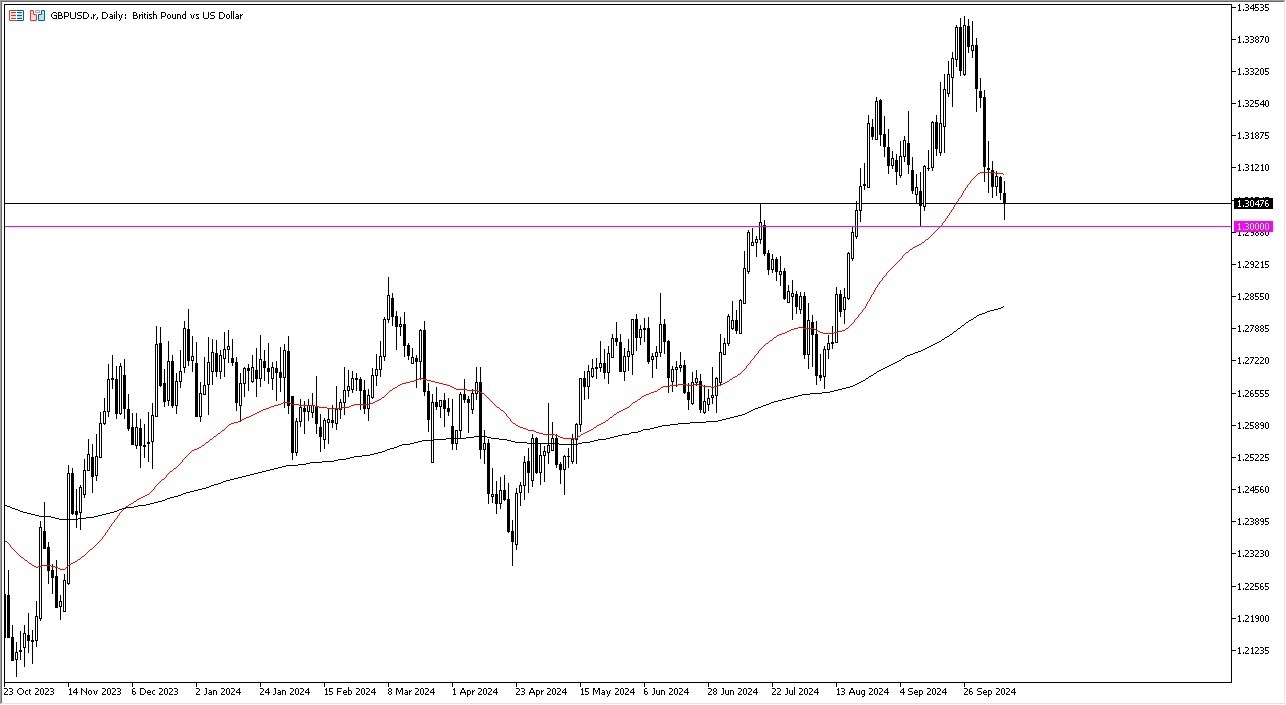
Meanwhile, the British pound remains under pressure against the US dollar on Tuesday due to the broad strength of the dollar and mounting fiscal concerns in the UK, dropping to its lowest level since April 11.
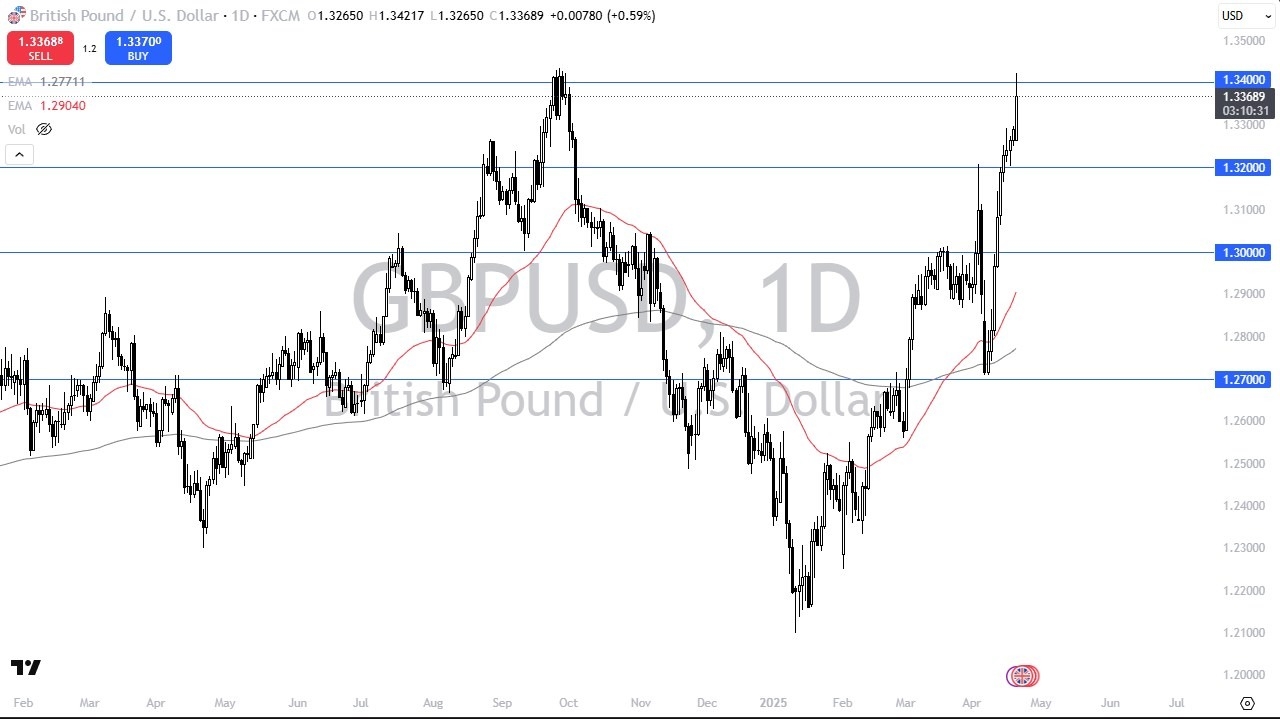
- The GBP/USD pair is around 1.3047, down nearly 0.70% for the day. The US Dollar Index (DXY), reflecting the dollar’s performance against a basket of six major currencies, continues to be strong, extending a five-day winning streak to trade near 100.08, a new three-month high.
- The British pound faced widespread selling after UK Chancellor Rachel Reeves signalled “hard choices” in a rare pre-budget speech ahead of the November 26 fiscal announcement. Reeves outlined plans for business-rate reform, emphasized controlling national debt, and did not rule out tax increases.
US trade policy changes are causing volatility in the pound. Uncertainty has increased following President Trump’s announcement to raise global tariffs to 15%, after a Supreme Court ruling on broader measures.
Analysts warn these tariffs could cause long-term economic shocks that diminish the pound’s value despite the UK’s current trade protections.
Technical analysis shows the GBP/USD rate forming a “falling wedge” pattern. Investors watch for a potential breakout to recent four-year highs if the currency can hold above $1.3434.