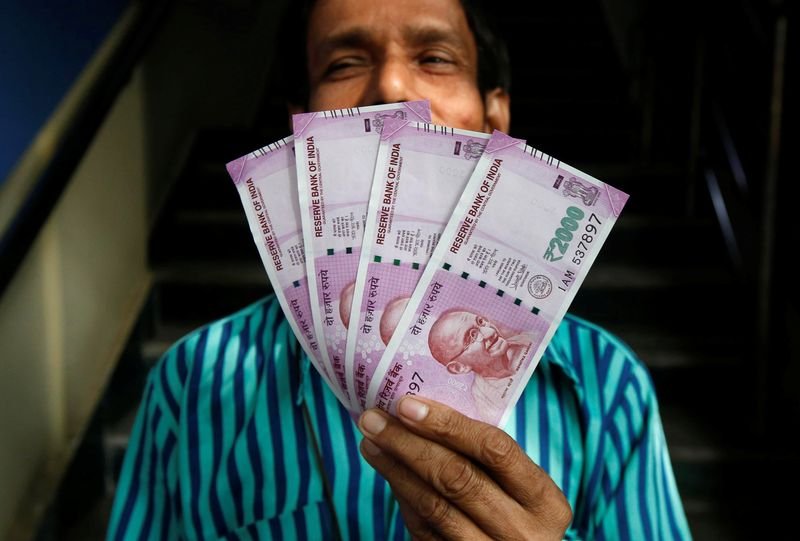
The Indian rupee weakened to 90.11 against the US dollar on Monday amid high crude oil prices, ongoing foreign fund outflows, and strong dollar demand
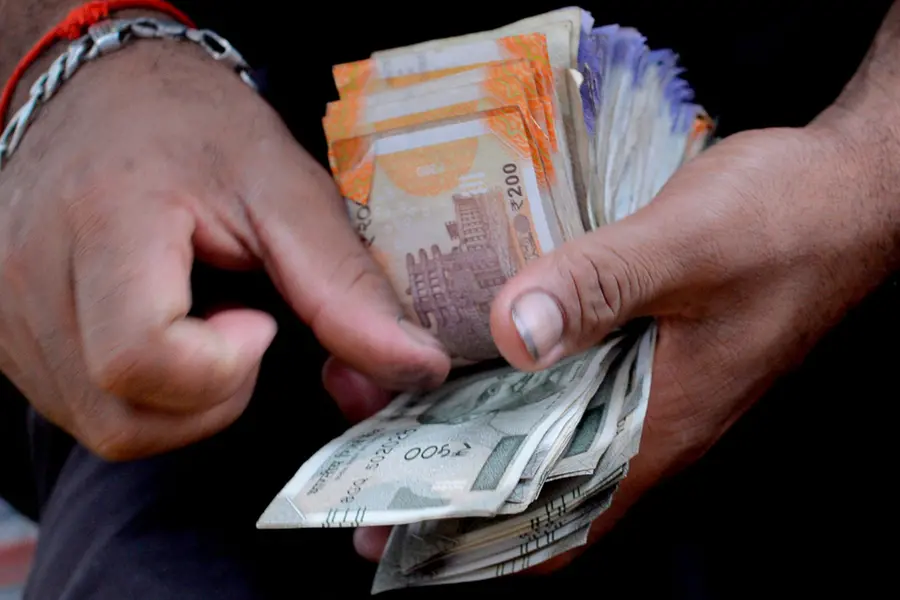
Mumbai: The Indian rupee declined by 16 paise to 90.11 against the US dollar in early trade on Monday.
The depreciation was attributed to rising crude oil prices, ongoing foreign portfolio investor (FPI) outflows, and strong dollar demand from corporates and importers. The rupee opened at 90.07 in the interbank market before slipping further. On Friday, it had closed at 89.95 following the Reserve Bank of India’s first interest rate cut in six months.
What caused the rupee fall?
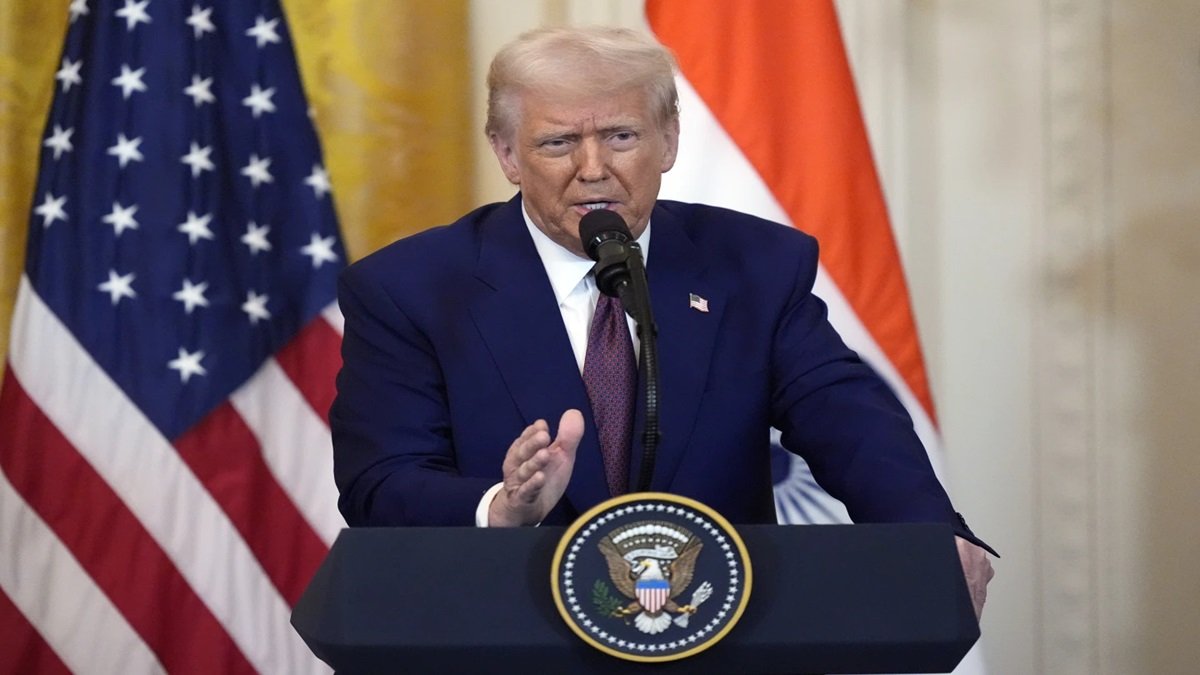
Forex traders highlighted that investors are closely watching the US Federal Reserve’s policy decision scheduled for 9–10 December, which is widely expected to result in a rate cut. At the same time, India and the United States will begin three days of discussions on the initial phase of a proposed bilateral trade agreement starting 10 December. The European Union team is also in India for trade negotiations and finalising an FTA.
Anil Kumar Bhansali, Head of Treasury and Executive Director at Finrex Treasury Advisors LLP, noted that FPIs remain net sellers despite gains in Indian equities. The dollar index and other Asian currencies remained largely stable, giving no clear directional signal.
Rupee outlook
Jateen Trivedi, VP and Research Analyst at LKP Securities, said that while the RBI’s 25 bps rate cut may provide some stability to financial sectors, delays in the India–US trade deal and rising bullion and metal prices continue to weigh on sentiment. He expects the rupee to trade within a range of 89.75–90.25 in the near term, with persistent FII selling keeping pressure on the currency.
The rupee’s weakness is primarily driven by external and domestic factors. Globally, the US Federal Reserve’s expected rate reduction is influencing dollar demand, while in India, crude oil prices and robust corporate dollar demand are straining the currency. Persistent net selling by foreign portfolio investors adds further downward pressure.
The Reserve Bank of India’s recent rate cut has provided limited relief, supporting some financial sector stability. However, market participants remain cautious, with attention on the India–US trade talks and EU trade negotiations. Analysts expect the rupee to remain volatile, trading within the 89.75–90.25 range, as global and domestic factors continue to influence currency movement.
Subscribe to our Newsletter
Disclaimer: Kindly avoid objectionable, derogatory, unlawful and lewd comments, while responding to reports. Such comments are punishable under cyber laws. Please keep away from personal attacks. The opinions expressed here are the personal opinions of readers and not that of Mathrubhumi.