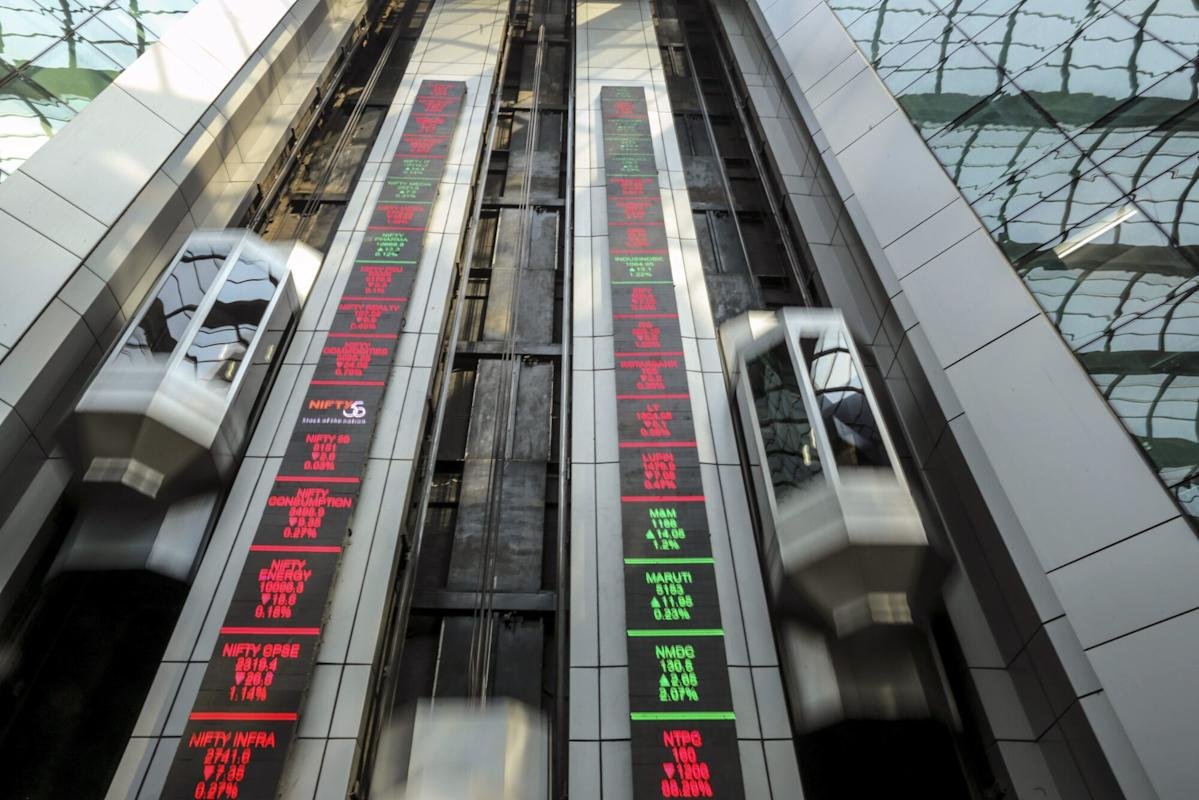
Sensex surged over 630 points and Nifty neared 23,800 on March 18, led by IT and auto stocks, even as the rupee hit a record low amid rising oil prices and West Asia tensions
Indian benchmark indices ended sharply higher on Wednesday, shrugging off currency weakness and global uncertainty, with the BSE Sensex jumping 633.29 points, or 0.83 per cent, to close at 76,704.13, while the Nifty 50 climbed 196.65 points, or 0.83 per cent, to settle at 23,777.80.
The rally came despite the Indian rupee hitting a fresh lifetime low during the session, highlighting resilience in domestic equities amid persistent global headwinds.
The Sensex touched an intraday high of 77,000.22, briefly crossing the 77,000 mark, while the Nifty hit a high of 23,862.25 before paring some gains.
IT stocks lead rebound
Gains were led by information technology stocks, which rebounded strongly after recent weakness. Shares of Infosys surged nearly 2.8 per cent, while HCLTech rose over 2.6 per cent and Tech Mahindra jumped more than 2.8 per cent. Tata Consultancy Services also posted solid gains.
Auto stocks added to the momentum, with Mahindra & Mahindra rising nearly 2.7 per cent and Maruti Suzuki ending higher.
Financials remained supportive, with Axis Bank gaining close to 2 per cent, while Bajaj Finance and Bajaj Finserv advanced. Heavyweight Reliance Industries also contributed to the gains.
Among other outperformers were Adani Ports, Larsen & Toubro and Bharti Airtel.
Selective pressure in defensives, banks
However, the rally was not entirely broad-based. Defensive stocks and select heavyweights lagged, with Hindustan Unilever, NTPC and Sun Pharma ending lower.
Banking names such as HDFC Bank also declined, while metal stocks like Tata Steel saw mild losses.
Rupee hits record low amid oil surge
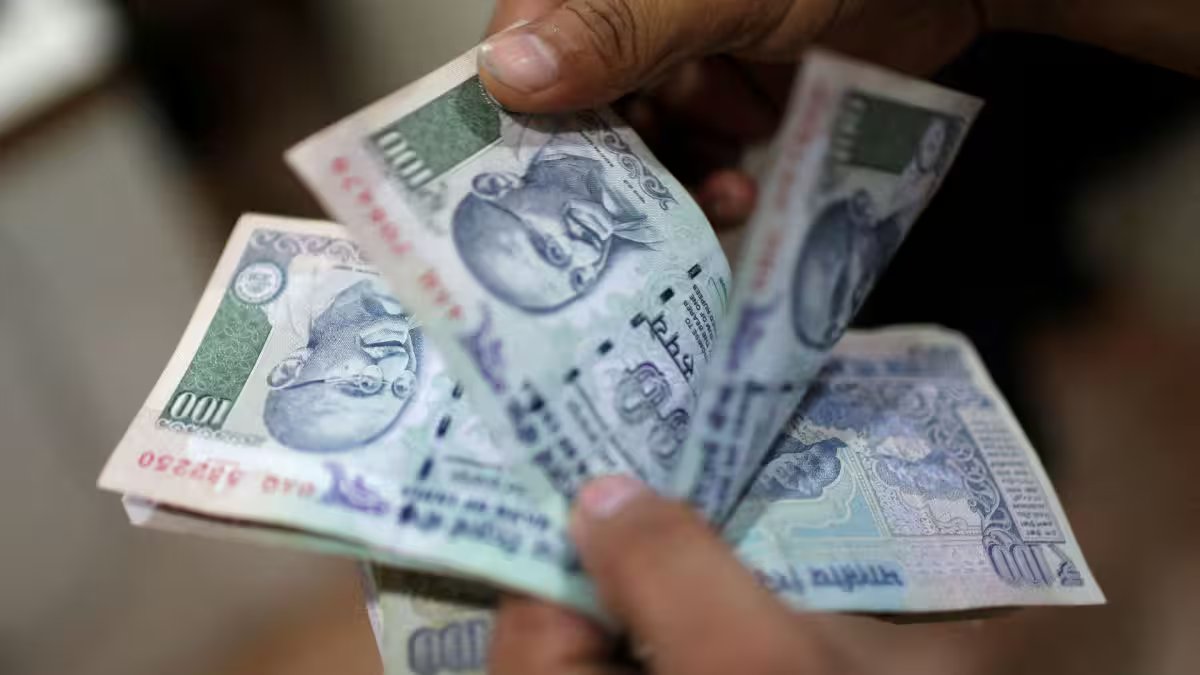
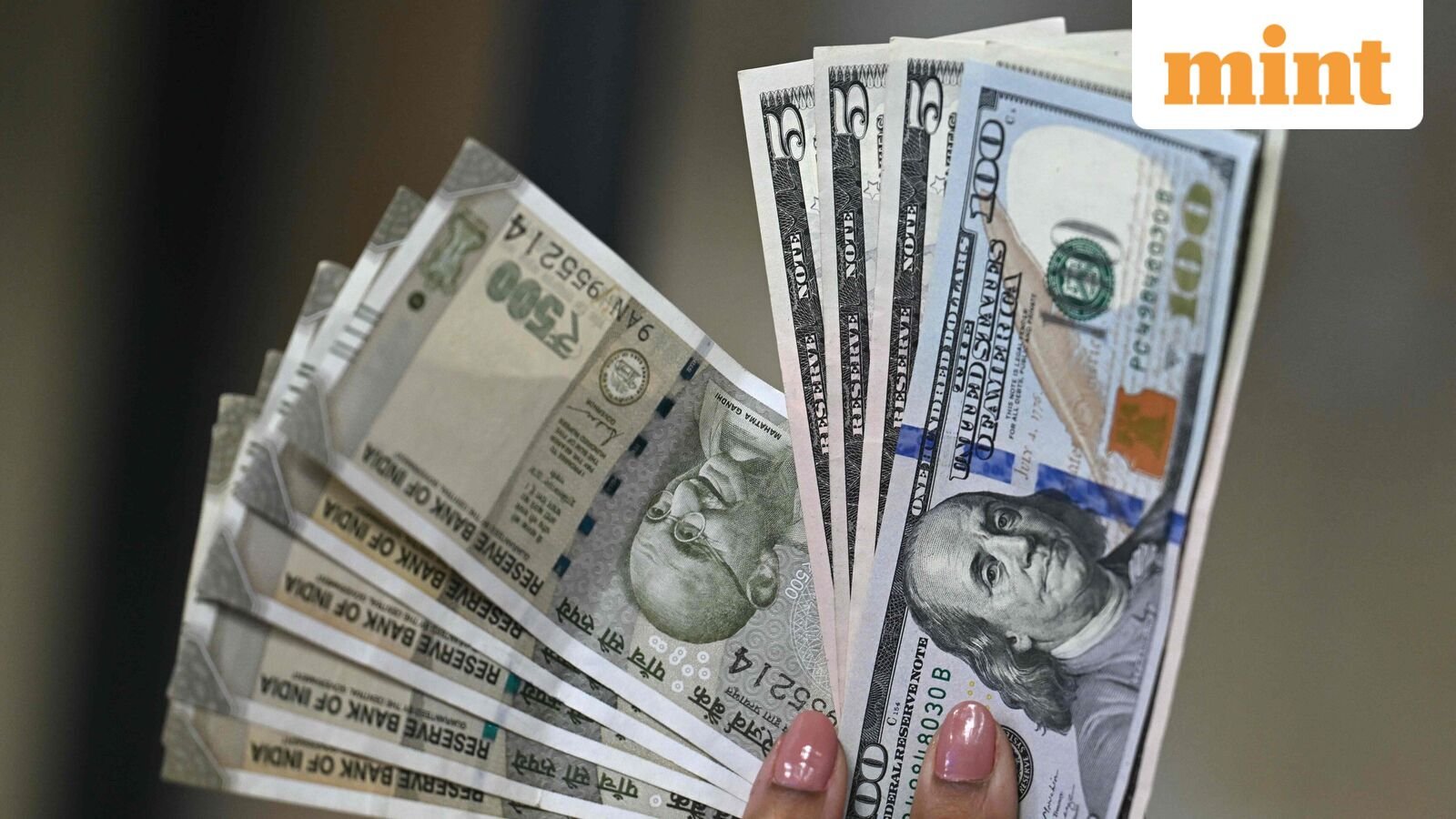
The market rally came even as the Indian rupee weakened sharply, hitting a record low of 92.62 against the US dollar, pressured by surging oil prices and capital outflows.
The currency has been under stress since the outbreak of the West Asia conflict, with Brent crude prices rising nearly 40 per cent during the period, significantly increasing India’s import bill.
Analysts said higher energy costs, strong dollar demand and risk aversion have weighed on the rupee, with further downside risks if geopolitical tensions persist and oil prices remain elevated.
End of Article