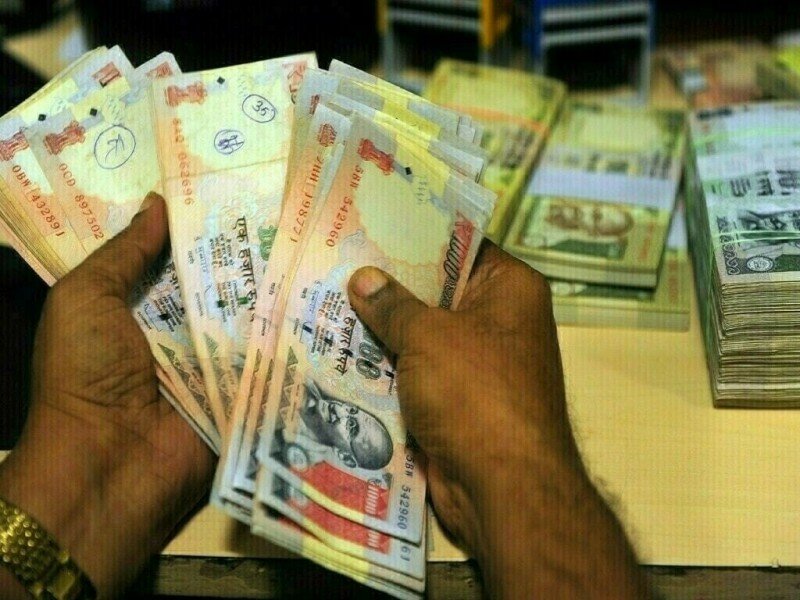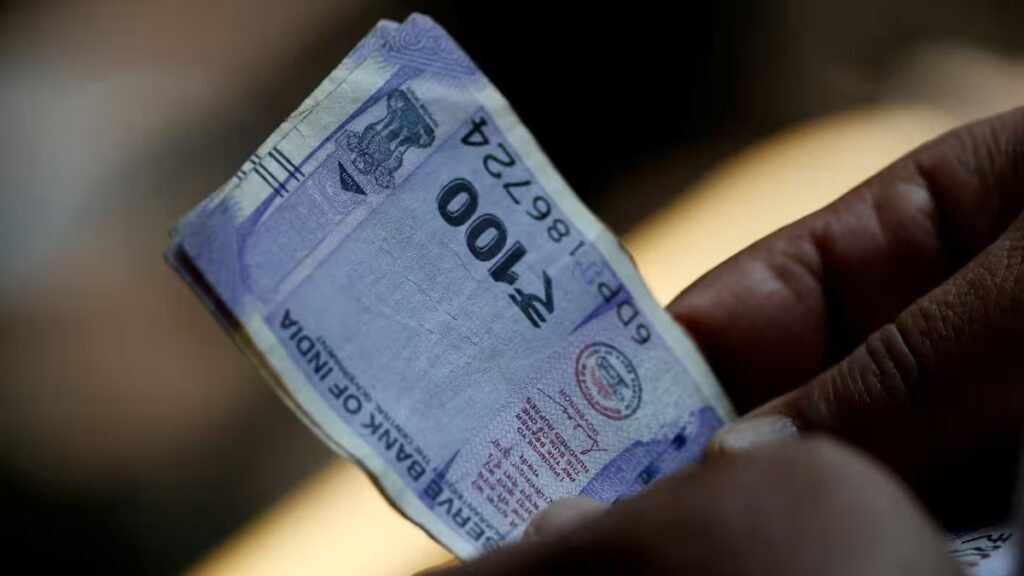
The Indian rupee surged sharply after the RBI’s crackdown on speculative FX trades triggered expectations of heavy dollar inflows from position unwinding, even as banks face rising costs to exit arbitrage bets amid global oil-driven pressure
The Indian rupee staged a sharp rebound on Thursday after aggressive intervention by the Reserve Bank of India triggered expectations of a wave of dollar sales, even as banks scrambled to exit trades that had until recently been seen as low-risk.
The rupee jumped to 93.53 against the US dollar in early trade, rising 1.4 per cent from its previous close, as traders positioned for a potential glut of onshore dollar supply driven by the unwinding of arbitrage positions.
The rally follows a series of tightening measures by the central bank aimed at curbing speculative activity and stabilising the currency, which has been under pressure amid elevated oil prices and global uncertainty linked to the Iran conflict.
RBI shuts arbitrage window
Late on Wednesday, the RBI barred banks from offering rupee non-deliverable forwards (NDFs) to both resident and non-resident clients, while also preventing companies from rebooking cancelled forward contracts.
The move effectively shuts a key arbitrage channel between onshore and offshore markets that corporates had been exploiting, particularly earlier this week when the rupee slid to a record low of 95.21.
Bankers said the curbs were designed to force lenders to cut back on arbitrage positions that had ballooned to an estimated $30 billion–$40 billion, exacerbating pressure on the domestic currency.
“The market knows banks need to cut positions and have little choice, so pricing will be punitive,” a senior treasury official at a private lender said, underscoring the squeeze now facing institutions that delayed unwinding.
Banks face steeper exit costs
While roughly 50–60 per cent of arbitrage positions were unwound earlier this week, a significant overhang remains in the system, particularly among state-run banks, traders said.
With corporates now locked out of the arbitrage trade, banks are finding it both harder and more expensive to exit their positions. The spread between onshore forwards and offshore NDF markets — a key determinant of unwinding costs — has widened again to nearly 100 paise in the one-month tenor, after briefly narrowing earlier this week.
A wider spread translates into higher losses for banks looking to square positions, raising the risk of mark-to-market hits in the near term.
Rupee support amid global headwinds
The RBI’s intervention comes at a time when external pressures on the rupee remain elevated. Crude oil prices have surged, with Brent futures climbing about 5 per cent to around $106 per barrel, driven by escalating tensions in West Asia following remarks by Donald Trump on potential military action against Iran.
Higher oil prices pose a dual challenge for India by widening the current account deficit and increasing imported inflation risks.
Analysts said the central bank’s latest steps signal a decisive shift towards tightening speculative flows and reasserting control over currency dynamics.
“The RBI has clearly moved to plug loopholes that were undermining its earlier efforts to stabilise the rupee,” said Kunal Sodhani, head of treasury at Shinhan Bank.
For now, the immediate impact has been a sharp appreciation in the rupee. However, the durability of the move will depend on how quickly banks can unwind residual positions and whether global commodity pressures ease in the coming weeks.
With inputs from agencies.
End of Article