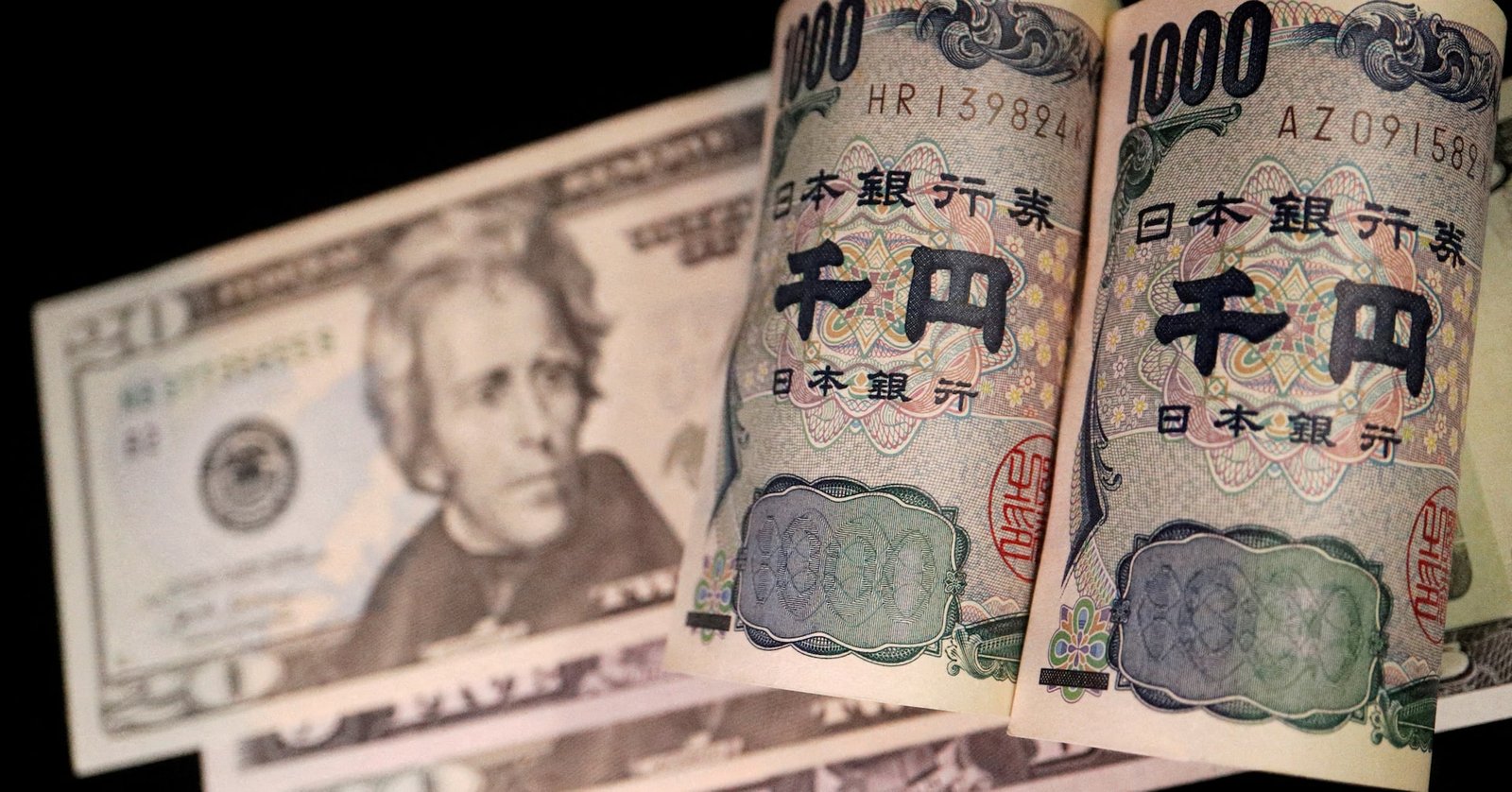
The rupee recovered to an intraday high of 89.08 on Monday and finished the session at 89.23, after plunging to the near-90 mark against the US dollar last week. On Tuesday, the rupee maintained the momentum, closing at 89.22 against the dollar, as the Reserve Bank of India stepped in to defend the domestic currency.
It had gained around 20 paise from its all-time low of 89.41, to which it had plunged for the first time on November 21, due to a combination of factors — from concerns over a delay in the India-US trade deal to the absence of intervention by the RBI in the forex market, combined with continuous selling by foreign portfolio investors (FPIs).

Forex market participants expect the rupee to break the 90 level if the India-US trade deal does not materialise soon.
RBI steps in to support currency
After a sharp fall to 89.41 against the US dollar last week, the rupee rebounded to finish the Monday session at 89.23 and maintained the momentum on Tuesday to close at 89.22 against the dollar, up 20 paise from its all-time low mark.
“The recovery this week reflects the underlying strength of India’s domestic environment and a far clearer RBI presence. The central bank has once again demonstrated its readiness to curb volatility, supported by its sizeable reserves of nearly $690 billion and consistent interventions across both spot and NDF markets,” said Amit Pabari, managing director and founder, CR Forex.
The central bank has consistently maintained that its interventions in the forex market are aimed at curbing excessive volatility rather than targeting any specific exchange rate level.
RBI governor Sanjay Malhotra recently said, “Historically, the rupee has depreciated by 3-3.5 per cent on an annual basis. Our effort is that the rupee’s movement remains smooth.”
Story continues below this ad
The RBI intervenes in the foreign exchange market by selling dollars in the spot and forward markets. Between January and September 2025, the central bank has net sold $20.1 billion in the spot market, RBI data shows. Net outstanding forward dollar sales — combining both onshore and offshore positions — climbed to $59.405 billion in September from $53.355 billion in August.
According to IDFC FIRST Bank Chief Economist Gaura Sen Gupta, the RBI’s ability to defend the rupee is limited due to a large negative forward book.
Why rupee hit a historic low
The domestic currency breached the 89-mark for the first time, ending at a fresh record low of 89.41 against the US dollar on November 21. It crashed 70 paise, or 0.79 per cent, marking the biggest single-day fall since May 8. The downward pressure on the rupee was exerted by uncertainty around the India-US trade deal, short covering and the absence of intervention from the Reserve Bank of India (RBI).
Market participants said that the RBI had defended the 88.80 level for the currency for a long time. Once it breached this level on November 21, traders started covering short positions, leading to the currency depreciating below the 89 level.
Story continues below this ad
Economists have also attributed the rupee sell-off to the RBI Governor’s remarks at a Delhi School of Economics event last week, where he said the central bank does not target any level for the rupee’s exchange rate and it is determined by the market demand for the rupee and the US dollar.
“The market is always sensitive to any statement made by the RBI. The Governor said that the RBI does not target any currency rate. This is their normal stance, but it acted as an immediate trigger for the rupee’s fall (on November 21),” said Madan Sabnavis, chief economist, Bank of Baroda.
Malhotra’s statement came days after the RBI announced trade relief measures to support exporters impacted by trade tensions with the US. These measures include an extended timeline for exporters to realise and repatriate the full export value of goods, software and services exported from India from nine months to 15 months.
“This extension means that exporters will have more time to bring back dollars, indicating a reduction in the supply of dollars. This led to importers rushing into the market to buy their dollars, putting pressure on the rupee,” Sabnavis added.
Story continues below this ad
A higher-than-expected goods trade deficit in October, which surged to a record $42 billion as exports plunged 12 per cent in the backdrop of steep US tariffs, and costlier gold purchases driving imports to a record $76 billion, also weighed on the rupee, analysts said.
Market participants said concerns over the unwinding of carryover trades in the Japanese yen — the sale of assets purchased using Yen loans due to a rise in Japan’s interest rates — are keeping investors cautious.
What lies ahead?
The market now appears to be settling into a broader band of 88.90–90.20 for the currency. Historically, whenever the rupee breaks a significant level, it tends to consolidate into a new range — as seen when the pair shifted from trading in 81-83, to 83-85, and more recently 86-88. Following that pattern, the break above 89 has likely pushed USDINR into a fresh consolidation zone between 88.90 and 90.20, Pabari said.
“If we get a trade deal, then we could have a brief period of rupee stability till March 2026. Seasonal factors are also rupee-supportive in Q4 FY26. However, if we don’t get a trade deal, USDINR could break the 90 mark sooner,” Sen Gupta of IDFC FIRST Bank said.