The Indian rupee strengthened sharply in early trade, recovering from record lows after a regulatory move by the Reserve Bank of India influenced market positions.

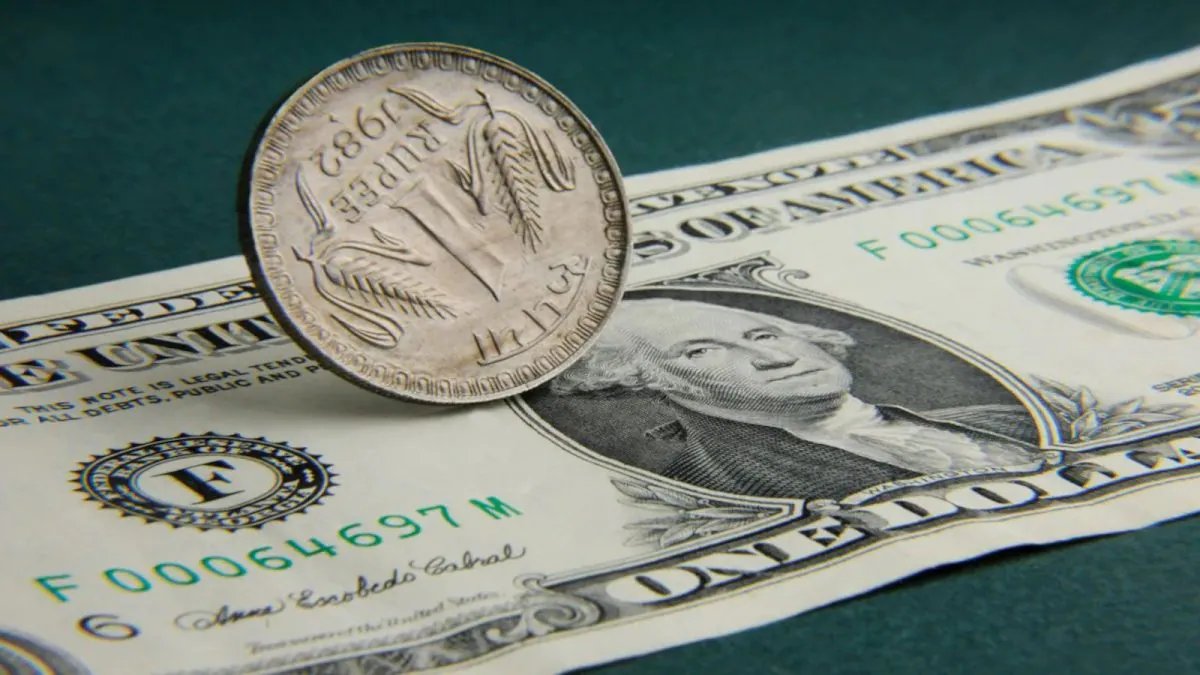
Mumbai: The Indian rupee staged a sharp recovery in early trade, gaining 128 paise to trade at 93.57 against the US dollar after hitting an all-time low in the previous session.
The rebound came as market participants reacted to the Reserve Bank of India’s recent directive on banks’ overnight net open positions, prompting adjustments in dollar holdings. However, despite the short-term gain, the currency continues to face pressure from a strong dollar index, rising crude oil prices, and ongoing geopolitical tensions, keeping the overall outlook cautious.
The Indian rupee recovered 128 paise from its all-time low to trade at 93.57 against the US dollar in early trading on Monday. The currency opened at 93.62 in the interbank foreign exchange market and strengthened further during the session.
This marks a notable rebound after the rupee had previously fallen to a historic low of 94.85 against the dollar, reflecting volatility in the currency market.
RBI policy triggers position adjustments
Market participants attributed the recovery to a recent circular issued by the Reserve Bank of India (RBI), which capped the net open position that banks can maintain overnight at USD 100 million. The directive, dated March 27, requires compliance by April 10.
Forex traders noted that banks, which typically hold long dollar positions, are now adjusting their exposures. This adjustment has led to increased dollar selling in the market, temporarily supporting the rupee.
Temporary support driven by market dynamics
Experts indicated that the current strength in the rupee is largely driven by position unwinding rather than a structural improvement in economic fundamentals. As banks rebalance their portfolios, short-term inflows into the rupee are providing relief.
However, traders caution that this effect may be temporary, as broader macroeconomic factors continue to influence the currency’s trajectory.
The rupee continues to face pressure from a strong US dollar and rising crude oil prices. The dollar index, which measures the greenback against a basket of major currencies, remains above the 100 mark, reflecting sustained demand for the dollar as a safe-haven asset.
At the same time, Brent crude prices have risen to around USD 115 per barrel, increasing import costs for India, which is heavily dependent on oil imports. Higher crude prices typically raise dollar demand, adding further pressure on the rupee.
Geopolitical tensions influence oil and currency markets
Ongoing geopolitical tensions have contributed to volatility in global oil markets, with concerns over supply disruptions pushing crude prices higher. For India, a major energy importer, this translates into increased foreign exchange outflows, which can weigh on the domestic currency.
Domestic equity markets also witnessed a decline in early trade, with benchmark indices falling sharply. Additionally, foreign institutional investors recorded significant net selling in equities in the previous session, adding to overall market caution.
Despite the short-term recovery, analysts suggest that the rupee remains under pressure due to a combination of global and domestic factors, including oil prices, dollar strength, and geopolitical uncertainties. Market participants expect continued volatility as these factors evolve.
Published: 30 Mar 2026, 10:22 am IST
Subscribe to our Newsletter
Disclaimer: Kindly avoid objectionable, derogatory, unlawful and lewd comments, while responding to reports. Such comments are punishable under cyber laws. Please keep away from personal attacks. The opinions expressed here are the personal opinions of readers and not that of Mathrubhumi.