Signals favour appreciation
From a near-term technical perspective, analysts say the outlook remains supportive. “The near term technical structure remains constructive,” market participants said, adding that “a break below 90.50–90.80 could open the way toward 90–89.80 levels.”
For Indian expats in the UAE, these levels are closely watched. A stronger rupee means fewer dirhams convert into fewer rupees, reducing the value of remittances. As a result, many remitters are opting to wait, betting that the rupee could strengthen further in the coming sessions.
Analysts also noted that a softer dollar-rupee pair has capped short-term upside in domestic bullion prices in India, even though “the medium-term trend for precious metals remains supportive.”
Trade deal changes sentiment
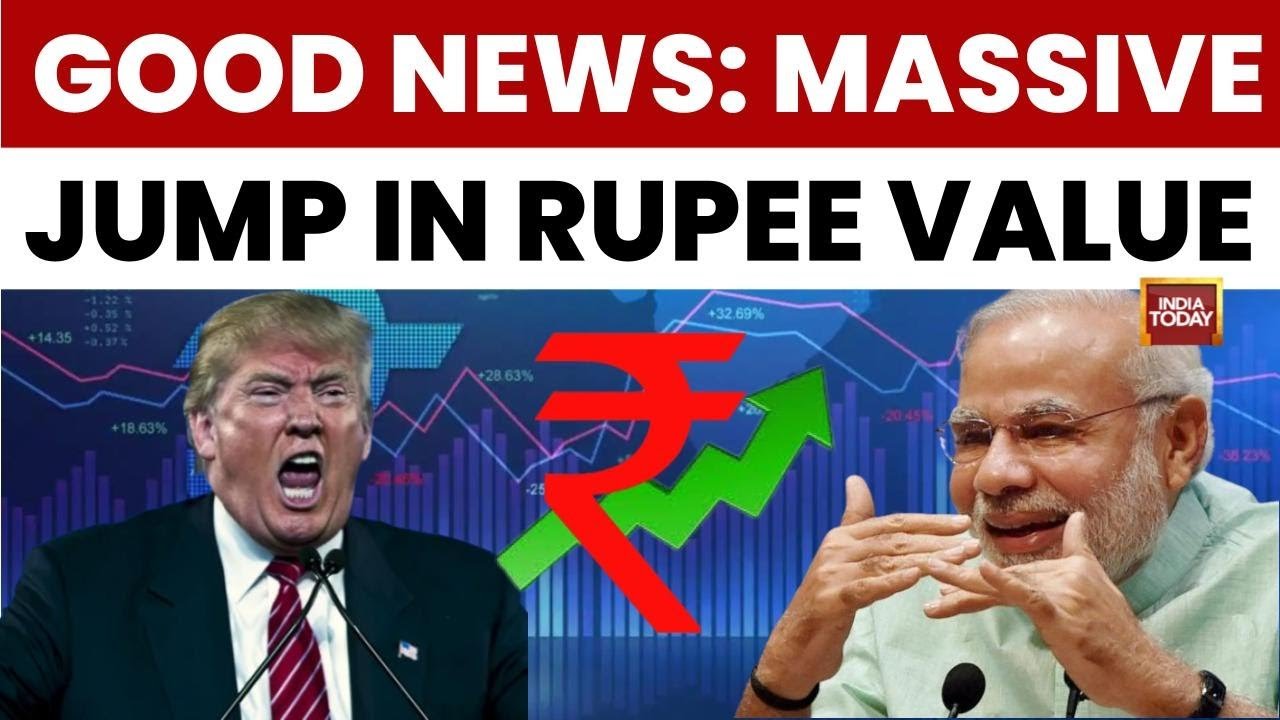
The key trigger behind the rupee’s surge was a trade deal announced by US President Donald Trump, who said Washington would reduce reciprocal tariffs on Indian goods to 18% following a call with Prime Minister Narendra Modi.
The agreement reportedly includes India’s commitment to reduce purchases of Russian oil and increase imports from the United States and potentially Venezuela. Analysts said the easing of trade frictions has reduced uncertainty around India’s external accounts and improved the outlook for foreign investment.
“Reduced trade uncertainty following the India-US trade deal can attract foreign investment into Indian equities and debt and boost demand for the rupee,” market participants said, while cautioning that the RBI’s stance in the coming sessions would be closely watched.
Foreign inflows back in focus
According to analysts, the combination of the US–India trade deal, the EU–India trade agreement and a growth-oriented domestic budget “is expected to boost market sentiments and trigger immediate foreign capital inflows, potentially turning India’s balance of payments position.”
A report released on Tuesday said the trade deal “should help narrow the current account deficit, stabilise the rupee, and reduce India’s vulnerability to global shocks over time.”
Axis Securities described the agreement as “structurally positive for India’s medium-term growth and external stability,” noting that “improved market access and tariff certainty are likely to boost exports, support manufacturing investment, and strengthen inflows of foreign direct investment.”
The brokerage added that the deal is particularly positive for export-oriented sectors such as textiles, chemicals, pharmaceuticals, auto ancillaries, IT services and select industrials. “Over time, higher order inflows, better capacity utilisation and improved earnings visibility could support sustained growth and valuation re-rating for these sectors,” it said.
What expats should watch next
For UAE-based Indian expats, the immediate takeaway is timing. If the rupee extends gains toward the 90 or sub-90 levels, delaying remittances could result in lower rupee receipts for families back home.
Much will depend on how aggressively the RBI manages the currency. Traders remain alert to signs of intervention aimed at slowing appreciation to protect export competitiveness.
For now, momentum remains on the rupee’s side. As one report put it, the India–US trade deal “should be seen as a medium-term structural positive rather than a short-term trigger,” suggesting that the current strength may persist longer than many remitters initially expected.
– With inputs from Agencies

Justin is a personal finance author and seasoned business journalist with over a decade of experience. He makes it his mission to break down complex financial topics and make them clear, relatable, and relevant—helping everyday readers navigate today’s economy with confidence.
Before returning to his Middle Eastern roots, where he was born and raised, Justin worked as a Business Correspondent at Reuters, reporting on equities and economic trends across both the Middle East and Asia-Pacific regions.