The Indian rupee tumbled past 92 per dollar for the first time on Wednesday, with the central bank likely curbing further losses in Asia’s worst-performing currency amid an escalating Middle East conflict that hit markets worldwide. Major Asian indexes slumped again on Wednesday.
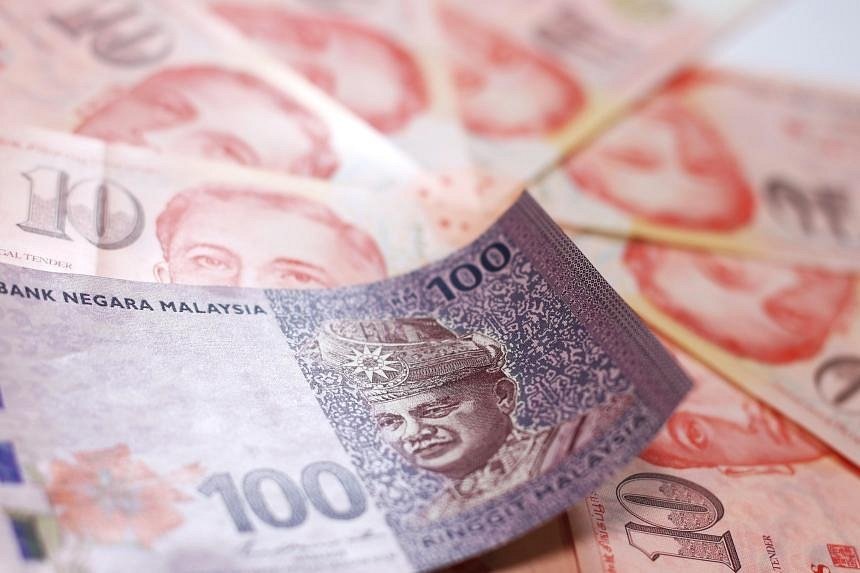
The rupee fell to 92.3025 to the dollar, down about 0.9% and eclipsing its previous record low of 91.9875 hit in January.
The widening Mideast conflict risks fanning inflation, hurting growth and worsening the current account balance in India, which imports more than 80% of its crude oil needs and relies on the Middle East for remittances from its diaspora.
Heightened risk aversion may also drive foreign investors out of Indian equities and bonds, which also extended losses on Wednesday.
“The Middle East conflict is acting as a catalyst, but the broader trend for the INR has been clearly on the weaker side,” said Tanay Dalal, senior vice president for business and economic research at Axis Bank.
“The RBI would need to continue smoothing INR weakness to avoid second-round volatility effects, until a more durable equilibrium between financial inflows and outflows is achieved,” Dalal said, referring to the Reserve Bank of India (RBI).
Rupee lags peers
The oil shock comes at a time when the rupee has already been under sustained pressure. The currency’s more than 2% decline since the start of the year makes it the worst performer in Asia and one of the laggards in emerging markets, after a roughly 5% slide in 2025.
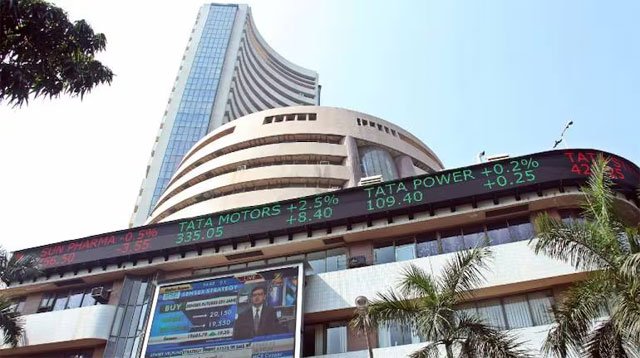
Wednesday’s selloff hit across asset classes as India’s benchmark equity index, the Nifty 50 fell nearly 2% while the country’s benchmark 10-year bond yield rose 4 basis points to 6.717%.
Asian equities fell sharply, with South Korean shares diving more than 10% and the won hitting a 17-year trough. Brent crude has risen more than 13% since the war broke out over the weekend.
U.S. trade deal optimism fades
The Mideast war has pushed optimism around the outlines of a U.S.-India interim trade deal to the background. Market participants had hoped a pact could support the rupee with lower tariffs, boosting exports and easing pressure on the external balance.
“Remittances from the Middle East, as well as capital flows, are likely to get impacted in the scenario of an extended regional conflict,” analysts at Kotak Mahindra Bank said in a note on Tuesday.
“In the case of an extended crisis, India’s macroeconomic outlook is expected to weaken through widening of current account deficit, higher inflation, sharper rupee depreciation and lower GDP growth.”
The Indian economy has been chugging along at a strong pace of growth and with contained inflation, but a protracted conflict could upset the balance.