
Rupee on Shaky Ground Touches Fresh Low of 93.73
Mumbai: The Indian rupee plunged as much as 110 paise Friday, recording its steepest single-day rout since late 2022, after oil surged amid an unrelenting barrage of attacks by either side on respective energy installations in West Asia. It slumped to a historic low of 93.73 amid a report New Delhi paid a significant price premium for its Thursday oil supplies before the unit closed at 93.71/$.
The pace of decline was rather quick, seemingly compensating for the Thursday trading holiday in Mumbai, with traders saying that market estimates of the central bank’s short dollar positions and sustained sales of Indian equity assets by overseas investors further pressured the rupee, which has lost more than 2.5 per cent since the start of the Iran war.
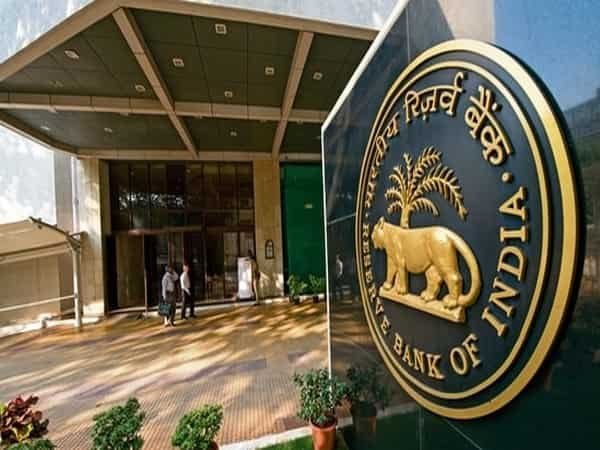
The Reserve Bank of India (RBI) sold dollars at multiple levels on Friday, but traders said its interventions were aimed at only moderating the pace of deprecation – not reversing the pronouncedly downward trend.
The rupee had closed at 92.63/$ on Wednesday, LSEG data showed.
“If the current trends continue, the rupee could weaken toward 94/$ to 95/$ levels, but the outlook remains highly fluid,” said Lakshmi Iyer, group president – investments, Bajaj Finserv.
One-way Ticket
“Up until now, we have already seen reasonable intervention from the central bank, but beyond a point, the currency has to reflect the market equilibrium,” Iyer said.
“With sustained FPI outflows and geopolitical uncertainty, the market is still searching for stability, and calling a firm range right now would be like throwing darts in the dark,” he said.
The rupee opened at 92.89/$ on Friday and consistently declined, crossing the 93/$ mark in the first hour of the day.
Traders said the RBI sold dollars at all key levels – 92.90/$, 93/$, and 93.50/$.
“There has been no positive news for the rupee since the war started, and though such a large fall wasn’t expected, it is understandable,” said Anil Bhansali, head of treasury at Finrex Treasury Advisors. “Importers are selling dollars to hedge their positions at almost all levels, because they expect the currency to decline further, and at the same time, exporters have stopped hedging completely.”
Bhansali expects the rupee to trade in the range of 93.25/$ to 94.25/$ on Monday, as crude oil prices continue to stay above $100 a barrel.
Crude Oil India Basket stood at $156 per barrel on March 19, Petroleum Planning and Analysis Cell (PPAC) data showed, implying that India is paying a premium of $46 per barrel.
Brent crude prices are trading at $110 per barrel.
Reuters reported that Tehran attacked an oil refinery in Kuwait Friday even as Tel Aviv vowed to avoid further attacks on Iran’s South Pars gas field the day after an Iranian retaliatory strike on Qatar caused damages that could cripple natural gas supplies for multiple years.
“Geopolitical tensions and its impact on crude prices will influence rupee levels. At the onset of West Asia crisis, rupee was expected to be between 93/$ to 94/$,” said Sameer Karyatt, MD & head of trading at DBS Bank. “But continuation in the conflict and upward pressure on crude oil prices are likely to guide the rupee towards 94.50/$ to 95/$ range,” he said Rising crude oil prices fuel inflationary pressures and widen India’s current account deficit by increasing the import bill. They also weigh on economic growth by raising input costs for businesses and reducing consumption demand.