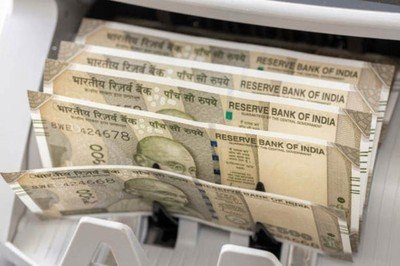
MUMBAI, March 21: The Indian rupee has hit a fresh record low against the US dollar, dropping to 94.01 on Saturday, as ongoing tensions from the Iran war continue to unsettle global markets. The slide comes amid rising concerns over inflation, supply disruptions, and weakening investor confidence.
The current rupee depreciation traces its origins to February 28, when the Iran war erupted, disrupting oil and gas supply routes, particularly near the strategic Strait of Hormuz—a critical market for Indian goods, with the United Arab Emirates ranking as India’s second-largest export destination after the United States—faces risks. A decline in exports could widen India’s current account deficit, putting further pressure on the rupee.
Global Market Dynamics and Investor Behavior
Apart from geopolitical shocks, the rupee’s fall also reflects broader capital market trends. Global uncertainty drives investors toward safer assets or higher-yield currencies, typically benefiting the US dollar. The resulting capital outflows from India amplify depreciation pressures, particularly in the foreign exchange market, where shifts can be rapid and significant.
Analysts note that while the situation is concerning, it is not entirely one-sided. Policy interventions, including potential measures by the Reserve Bank of India to stabilize the currency, and adjustments in trade and capital flows, could help moderate the rupee’s decline over the medium term.
Outlook
Market experts warn that the rupee could remain under pressure as long as geopolitical tensions persist and oil markets stay volatile. Investors, importers, and exporters are advised to monitor the evolving global and regional situation closely, while the government and financial authorities weigh measures to shield the domestic economy from further shocks.