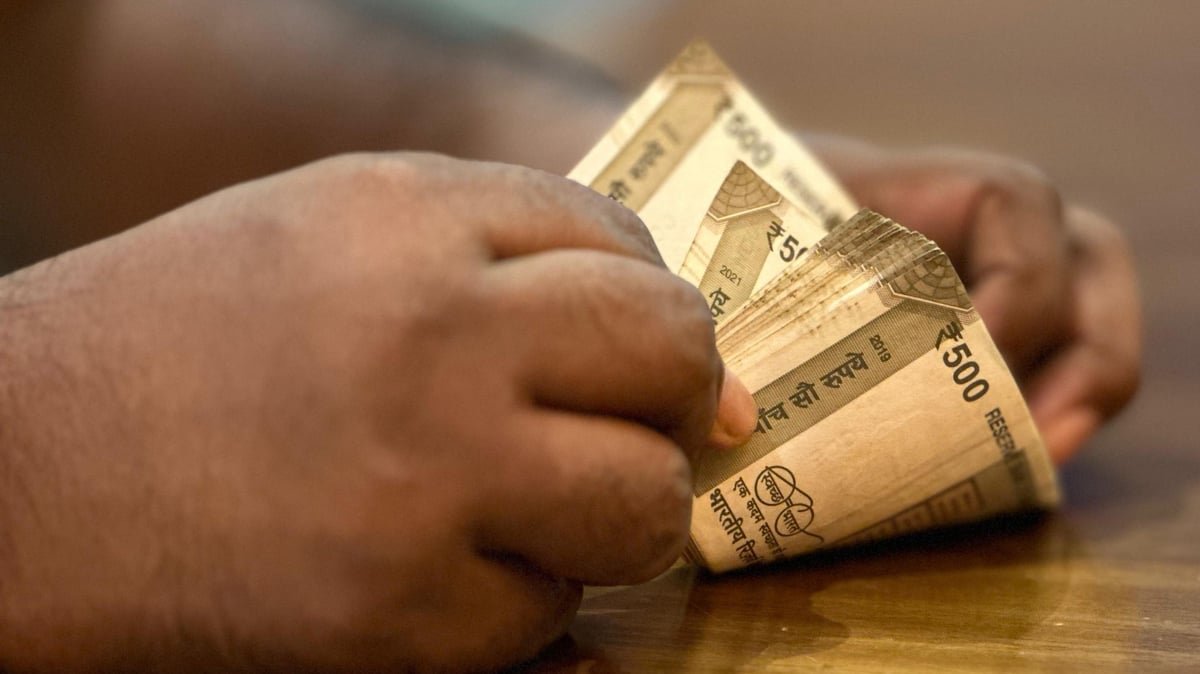
The local currency fell 32 paise, or 0.35 per cent, to 92.36 against the greenback, according to Bloomberg. The currency has fallen by about 1.5 per cent since the West Asia tensions began, taking the yearly fall to 2.7 per cent.
Considering the global supply constraint, the US said it would release 172 million barrels of oil from its reserve amid a global supply crunch. The member countries of the International Energy Agency will release 400 million barrels from their reserves.
Meanwhile, Iran said that the US and Israel must guarantee they will not attack for it to declare a ceasefire as the war rages on for nearly two weeks. Brent crude oil prices rose 10.4 per cent on Thursday to $101.5 per barrel.
Escalating attacks around the Strait of Hormuz and strikes on neighbouring countries have pushed oil prices higher, while risk-off sentiment has strengthened the US dollar as a safe-haven asset, according to Anil Kumar Bhansali, Head of Treasury and Executive Director, Finrex Treasury Advisors LLP.
Bhansali added that the rupee remains vulnerable to the ongoing conflict, which continues to disrupt shipping routes and the flow of oil, even though India is sourcing crude and gas from multiple suppliers. He noted that the RBI appeared to defend the 92.00 level in the previous session and could step in around 92.30 if required. However, he said the overall trend for the rupee remains weak.
Rising crude oil prices are once again emerging as one of the most critical variables for India’s macroeconomic stability, particularly as the rupee has weakened recently, according to a report by DSP Asset Managers.
The report said that every $10 increase in crude prices adds roughly $12-15 billion to India’s annual import bill. If crude were to rise towards $120 per barrel and sustain through FY27, India’s oil trade deficit could widen to nearly $220 billion, potentially pushing the current account deficit above 3.1 per cent of GDP.
Historically, such periods of elevated crude prices have been associated with rupee depreciation of more than 10 per cent, along with higher inflation and tighter liquidity conditions, the report noted.
==========
(Disclaimer: The views and investment tips expressed by the analysts in this article are their own and not those of the website or its management. Business Standard advises users to check with certified experts before taking any investment decisions.)