Asian currencies experienced a tumultuous week, with the Japanese yen maintaining stability despite a significant sell-off in Japanese government bonds (JGBs). The yen steadied, reflecting cautious sentiment among investors who are closely monitoring the developments in Japan’s bond market. The Bank of Japan’s recent policy decisions have amplified volatility, affecting currency values.
The yen’s stability comes amid a backdrop of rising yields in JGBs, which surged after the Bank of Japan hinted at more flexibility in its yield control policy. Market participants are now speculating on potential shifts in the central bank’s strategy, especially after last week’s announcement that suggested a departure from its longstanding policy of keeping yields low. This has fueled market uncertainty and kept traders on edge.
South Korea’s won rebounded slightly after facing pressure earlier this month. Investors appear to be regaining confidence as geopolitical tensions ease and economic indicators show signs of strength. Nonetheless, the won has been under stress due to trade uncertainties and fluctuating global demand for South Korean exports.
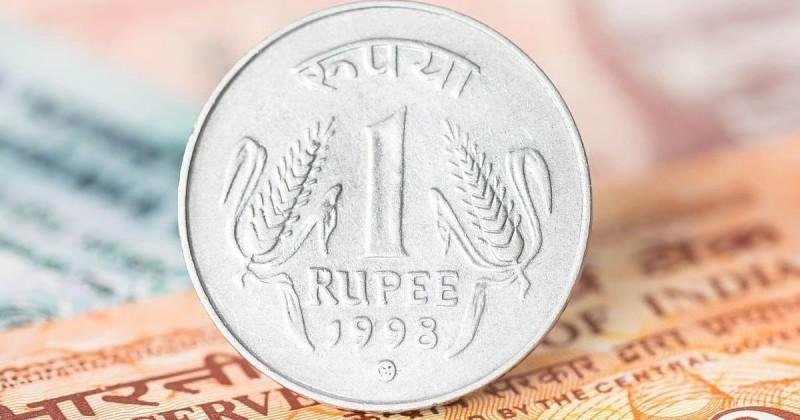
Meanwhile, the Indian rupee has reached a record low against the dollar. This decline is largely attributed to concerns over India’s widening current account deficit and persistent foreign outflows from equity markets. Analysts caution that without intervention from the Reserve Bank of India, further depreciation could occur.
China’s yuan displayed mixed signals amidst ongoing trade negotiations with major trading partners. While some positive economic data emerged from Beijing, fears about potential trade barriers continue to cast a shadow over the currency’s prospects.
Elsewhere in Asia, other currencies like the Thai baht and Indonesian rupiah showed little change as investors awaited clearer signals from both domestic policies and international trade developments.
The Bank of Japan’s shifting stance on yield control is particularly significant for the region. Any change in Japanese monetary policy tends to ripple through Asian markets due to close economic ties and investment flows involving Japan. This means that any sustained movement in Japanese yields could impact regional currencies through changes in investment allocation.
For context, Japan has maintained an ultra-loose monetary policy for years to combat deflationary pressures and stimulate growth. However, with inflation starting to rise, pressure mounts on policymakers to adjust their strategies—a move that could reverberate across Asia’s financial markets.
In South Korea, officials are keenly watching currency dynamics as they balance between stimulating growth and managing inflationary pressures. The won’s fluctuations have direct consequences for export competitiveness—a vital component of South Korea’s economy.
India’s central bank faces a challenging task of defending the rupee while managing inflation and encouraging growth. Previous interventions in the forex market have shown mixed results, leaving policymakers with tough decisions amid global economic uncertainties.
Investors are also keeping an eye on China’s approach to managing its yuan amidst trade disputes and slowing growth. Beijing’s ability to navigate these challenges will be crucial for maintaining currency stability in one of Asia’s largest economies.
Looking ahead, forex traders are likely to remain vigilant as they assess economic data releases and central bank meetings across Asia. The focus will be on how regional authorities respond to external pressures and internal economic conditions.
As we move further into 2026, currency markets in Asia will continue grappling with geopolitical tensions, trade negotiations, and evolving monetary policies. The interplay between these factors will determine the trajectory of major currencies in this dynamic region.
On January 21, the South Korean Finance Ministry released a statement emphasizing its readiness to intervene in currency markets if necessary. This announcement came after the won’s recent volatility, which has been closely linked to shifts in global economic conditions and domestic policy decisions. The ministry reiterated its commitment to ensuring stability, citing the importance of maintaining investor confidence amid external pressures.
In India, Reserve Bank of India Governor Shaktikanta Das addressed concerns regarding the rupee’s depreciation during a press conference. He stressed that while the central bank is monitoring the situation closely, any intervention would be carefully considered to avoid unintended market disruptions. The governor also highlighted India’s strong economic fundamentals as a buffer against short-term currency fluctuations.
Meanwhile, China’s central bank, the People’s Bank of China (PBOC), has been actively managing liquidity to support the yuan. On Wednesday, January 20, the PBOC injected additional funds into the banking system through open market operations. This move is seen as an effort to stabilize financial markets amid ongoing trade negotiations and economic uncertainties.
The Thai baht saw little movement this week, with the Bank of Thailand maintaining its cautious stance on interest rates. In a recent meeting, policymakers highlighted that while inflation remains within target ranges, they are prepared to adjust monetary policy should external shocks impact economic growth or financial stability. This measured approach reflects broader trends across Asia as central banks navigate complex global dynamics.
The impact of the Bank of Japan’s evolving policy stance is being closely monitored by financial analysts. On January 18, Nomura Holdings issued a report suggesting that the increased volatility in JGB yields could trigger a shift in investment strategies across Asia. This potential shift might lead to reallocation of assets, affecting currencies like the yen and others tied to Japanese economic movements.
In India, Finance Minister Nirmala Sitharaman addressed Parliament on January 19, outlining measures to bolster the rupee against ongoing depreciation pressures. The government plans to increase foreign direct investment inflows and encourage export growth as part of a broader strategy to stabilize the currency. Sitharaman emphasized that these efforts are crucial for maintaining economic momentum in the face of global headwinds.
On the corporate front, Samsung Electronics—a major player in South Korea’s export-driven economy—reported on January 20 that it anticipates fluctuations in the won could impact its earnings for the first quarter of 2026. The company highlighted that while domestic demand remains robust, external factors continue to pose risks, particularly exchange rate volatility which affects pricing in international markets.
In China, attention is also turning toward upcoming economic data releases. The National Bureau of Statistics is set to publish GDP figures for the fourth quarter of 2025 next week. These numbers are expected to provide further insight into how China’s economy is faring amid trade discussions and currency management efforts by the People’s Bank of China. Economists are watching closely as these figures will likely influence yuan trading dynamics and regional economic strategies moving forward.
Post Views: 1