Investing.com– Most Asian currencies weakened on Friday as markets parsed a mixed interest rate outlook for the region, with the Australian dollar headed for a strong monthly performance, while the Japanese yen nursed losses.
The Chinese yuan weakened after Beijing cut a key reserve rate to facilitate cheaper dollar buying in the country, although the currency still remained close to three-year peaks.
The and fell about 0.1% in Asian trade, with the greenback clocking a 0.7% rise in February amid some safe haven demand and uncertainty over the path of interest rates.
Find out which Asian currencies are best positioned for 2026 by upgrading to InvestingPro
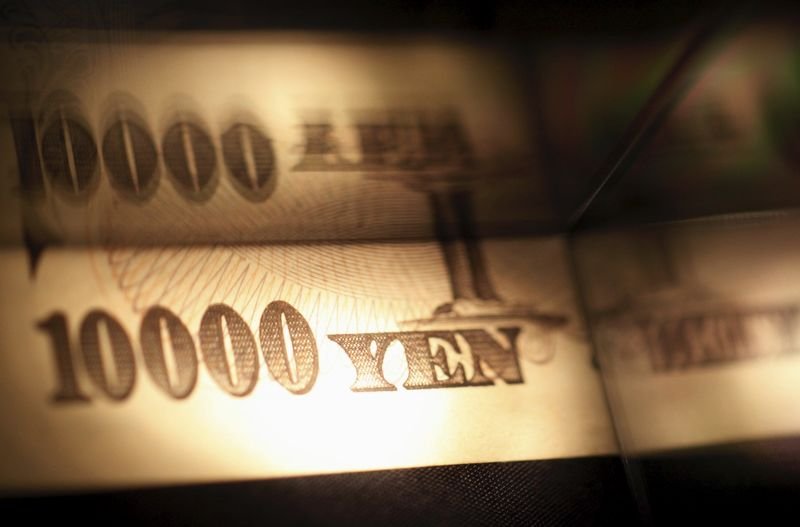
Japanese yen muted after soft Tokyo CPI, Feb losses on tap
The Japanese yen’s pair fell 0.2% on Friday and was set to rise 0.7% in February.
Weakness in the yen came amid increasing doubts over when the Bank of Japan will raise interest rates next– questions which were furthered by soft inflation data from Tokyo for February.
The print, which usually acts as a bellwether for national inflation, showed core CPI falling below the BOJ’s 2% annual target for the first time in nearly four years– a trend that is likely to limit the central bank’s plans for more rate hikes.
The yen weakened in February as markets questioned the fiscal impact of Prime Minister Sanae Takaichi’s stimulus and tax break plans. Takaichi was seen having a clear path towards her fiscal plans after her ruling coalition won a supermajority in Japan’s lower house of parliament.
Chinese yuan weakens after PBOC cuts FX risk reserve ratio
The Chinese yuan’s pair rose 0.2% on Friday after the People’s Bank scrapped a key foreign exchange risk ratio for some forward contracts– a move that allows for cheaper dollar buying in the country.
This came following a strong rally by the yuan against the dollar in recent months, driven in part by exporters dumping the greenback on a strong trade surplus with the United States.
But sharp appreciation in the yuan bodes poorly for Chinese exporters, given that it reduces their returns on overseas sales. Friday’s move signals that the central bank may be working to limit overall strength in the Chinese currency.
The yuan came close to a three-year high on Thursday.
Australian dollar heads for Feb gains on hawkish RBA outlook
The Australian dollar’s pair rose 0.25% on Friday and was among the best performers in Asia in February.
The Aussie was set to rise 2.3% this month, aided chiefly by an increasingly hawkish outlook for the Reserve Bank.
The central bank had at the beginning of the month, vowing to hike rates further if inflation did not cool.
Hotter-than-expected inflation for January, released earlier this week, furthered expectations for more rate hikes by the RBA.
Broader Asian currency mostly weakened on Friday. The South Korean won’s pair rose slightly, but was trading down 1.3% for February.
The Indian rupee’s pair steadied after rising back above the 91 rupee level, but was still down 0.8% in February, as it firmed sharply on a trade deal between the U.S. and India.
The Singapore dollar’s pair was flat and was down 0.7% this month.