Investing.com– Most Asian currencies moved in a flat-to-low range on Wednesday, pressured by resilience in the dollar as traders steadily dialed down expectations the Federal Reserve will cut interest rates in December.
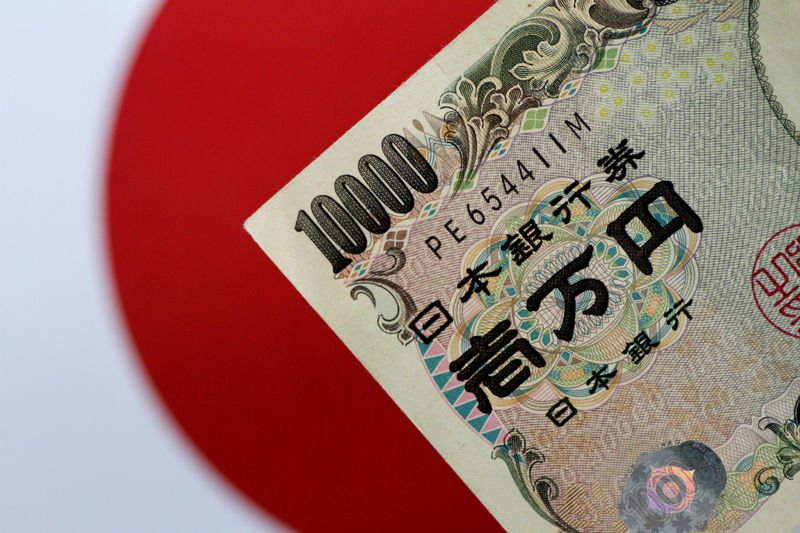
The Japanese yen was an outlier, gaining some ground after the minutes of the Bank of Japan’s September meeting showed policymakers considering an interest rate hike.
Asian currency markets were also spooked by a selldown in broader risk-driven markets, especially equities, as investors fretted over a potential bubble in technology valuations.
Mixed purchasing managers index data from China also weighed.
Japanese yen firms slightly on hawkish BOJ minutes
The yen’s pair fell 0.2% on Wednesday, after the minutes of the BOJ’s September meeting showed policymakers were considering a potential interest rate hike in the coming months.
Several policymakers saw conditions falling into place for interest rates to rise, with two members having voted during the meeting for an immediate rate hike, the minutes showed. The same two members had also called for a hike in October’s meeting.
The BOJ had left interest rates unchanged during its September meeting and October meetings, but had reiterated its outlook that rates would rise as inflation and economic growth picked up.
Governor Kazuo Ueda, during October’s meeting, had suggested that rates could rise as soon as December, especially amid sticky Japanese inflation.
But Ueda’s comments provided limited support to the yen, as hawkish signals from the Fed supported the dollar and sparked outflows across Asian markets. A looser fiscal outlook for Japan, under new Prime Minister Sanae Takaichi, also weighed on the yen.
Yuan little changed after mixed services PMI
The Chinese yuan’s pair moved little after private purchasing managers index data showed the country’s services sector grew a touch more than expected in October.
But the RatingDog PMI data also showed the services sector grew at a slower pace in October from the prior month. The data was preceded by a host of middling PMI readings on China for October, signaling continued pressure on the world’s second-largest economy.
Still, Chinese markets took some relief from U.S. President Donald Trump signing an order to cut his fentanyl-related tariffs on China to 10% from 20%. Washington and Beijing agreed to a trade deal last week, although markets were still awaiting more clear details on the agreement.
China said on Wednesday it will cut some tariffs on agricultural imports from the United States.
Dollar steady near 3-mth high as Dec rate cut bets wane
The dollar index and dollar index futures both fell slightly in Asian trade, but remained close to a three-month high hit in overnight trade.
The greenback has steadily firmed since last week, after the Fed said a December rate cut was not a given. While the central bank did cut rates by 25 basis points in October, the move was widely priced in, and did little to deter the dollar’s advance.
Traders were seen pricing in a 69.8% chance the Fed will cut rates by 25 bps in December, and a 30.2% chance for a hold, showed.
Broader Asian currencies were largely rangebound, as traders fretted over steady U.S. interest rates and worsening risk sentiment in other markets. The Australian dollar’s pair fell slightly on softer-than-expected data.
The South Korean won’s pair rose 0.2%, with the won battered by increased capital outflows amid a rout in equity markets.
The Singapore dollar’s USD/SGD pair was flat, while the Indian rupee’s USDINR pair rose slightly and remained close to record highs.