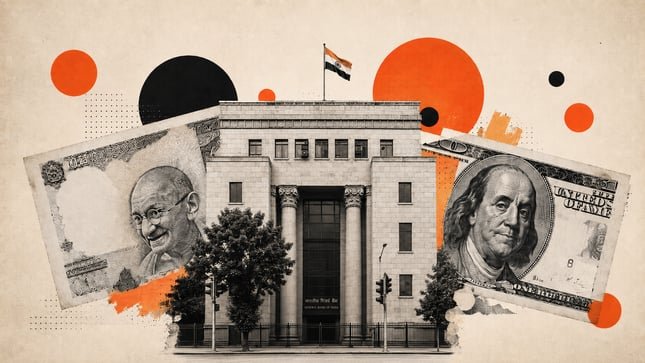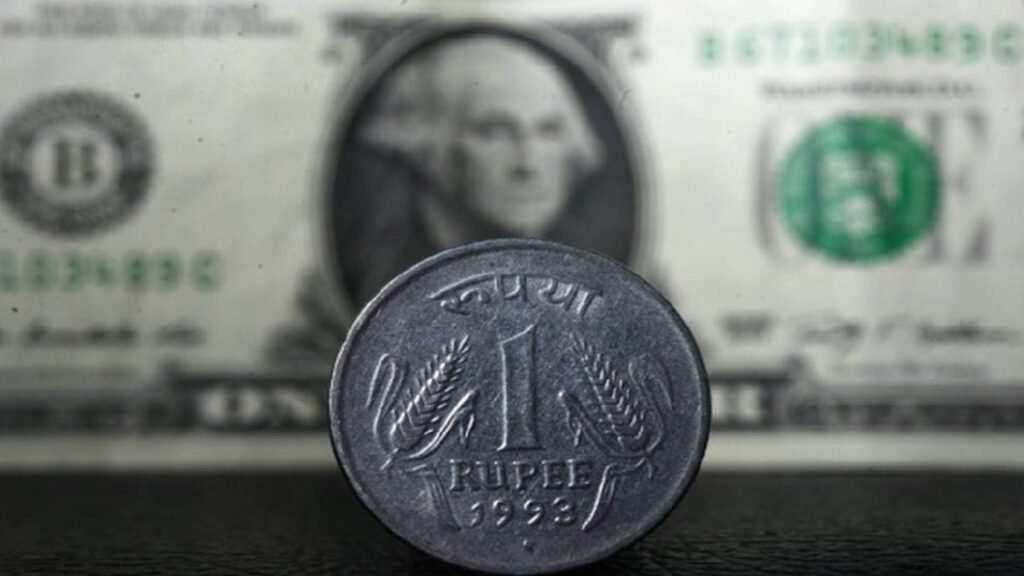
The Indian rupee weakened to a two-month low on Tuesday as foreign investors continued to sell. It finally closed at 96.43 against the dollar, down 13 paise from the previous session.
Oil prices hovered above $100 a barrel during the day before retracing to $98.45. A strengthening dollar index and rising US yields further added to the pressure, weighing on emerging-market currencies. The rupee remains the worst-performing Asian currency this calendar year, falling 7.3%.
“The rupee faced headwinds from persistent foreign portfolio outflows, elevated crude prices, a firm US dollar, and high global bond yields, alongside stronger demand from oil importers,” said Anil Kumar Bhansali, head of treasury, Finrex Treasury Advisors.
Foreign portfolio investors (FPIs) have intensified their selling amid rising global yields. They offloaded equities worth Rs 2,961 crore on Tuesday and Rs 56,056 crore since September.
Currency traders said that the central bank likely intervened through its dollar sales to arrest the sharp fall.
Bhansali said that the 96.50–96.70 range now emerges as a key near-term resistance zone. “Sustained intervention by the RBI, coupled with any improvement in oil prices or global risk sentiment, could offer some short-term relief.”
Market participants are now focused on the Monetary Policy outcome due on Wednesday. According to FE poll of economists, the RBI is expected to raise the repo rate by 25 basis points from the current 5.25% amid inflationary risks. The market will closely watch the RBI’s comments for guidance on the future path of interest rates.