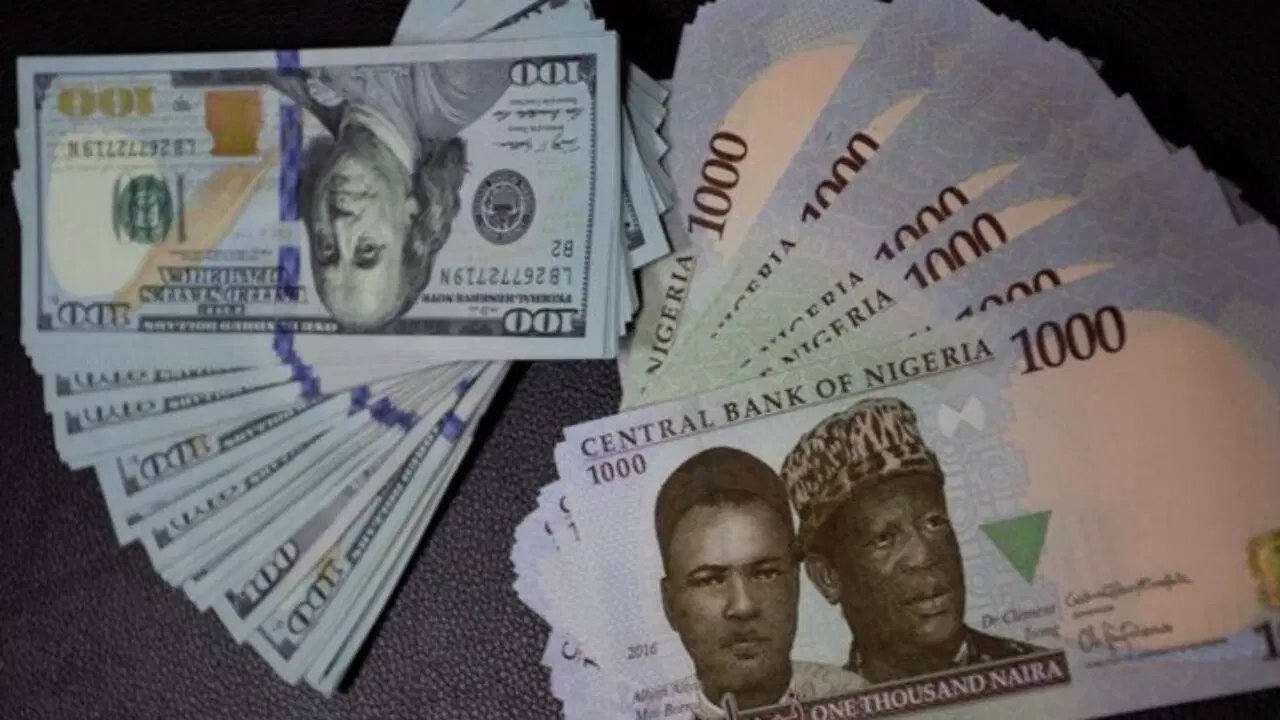


The Canadian dollar has been under pressure this month, losing more than two per cent to fall below 71 U.S. cents as the U.S. Federal Reserve raised interest rates and the greenback gained.
But it’s not just a strong U.S. dollar story this time, said Douglas Porter, chief economist of BMO Capital Markets. The loonie has also been losing ground against other currencies.
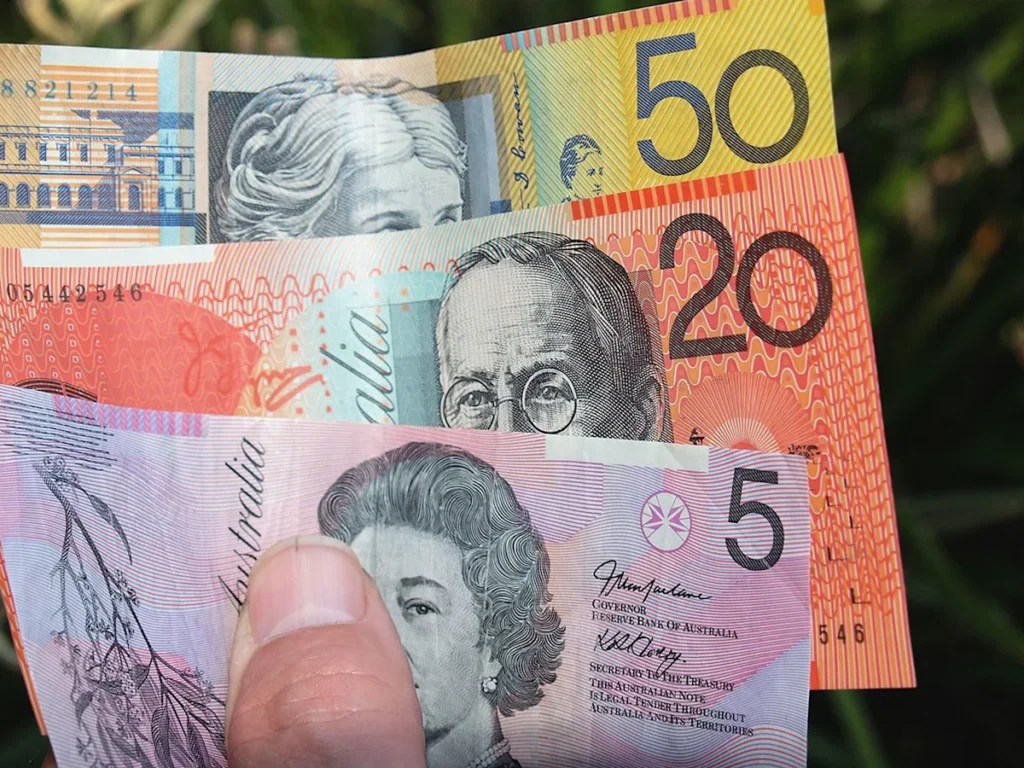
For the first time since 2018, the Canadian dollar is at parity with the Australian dollar on a sustained basis, he said. Just last year, the loonie was worth A$1.12, but then Donald Trump launched a trade war.

Since then the two countries’ economies have diverged “sharply,” with Canada’s gross domestic product slumping to 1.6 per cent and Australia’s storming ahead to 3.3 per cent, more than double.
Today, the Reserve Bank of Australia raised its rate to 4.6 per cent, taking borrowing costs to the highest level in 15 years to cool inflation. Tuesday’s hike takes tightening this year to a full percentage point.
As for the Canadian dollar, things are getting worse, before they get better, said CIBC economists Avery Shenfeld and Katherine Judge.
The Fed is expected to follow up its September move with another hike in October, which will widen the gap with the Bank of Canada’s rate and put more pressure on the loonie.
Unlike the markets, CIBC does not think Canada’s central bank will rush to follow. They say the latest flareup in the trade war will weaken the economy and likely push the unemployment rate to 6.6 per cent, offsetting the risk of higher inflation from oil prices.
“That will leave CAD under pressure in the near term,” said the economists who expect the currency to average about 70.42 U.S. cents in the last quarter of the year.
They are more upbeat about the loonie in 2027. They speculate that Trump will be more willing to make concessions for an Iran deal after the midterm elections, which would put an end to Fed hiking.
They also expect Canada’s trade negotiations with the United States to result in Trump rolling back his Section 338 tariffs and calling off plans to double penalties on the auto industry in the new year.
“We are therefore more optimistic for the loonie in 2027, when prospects for an economic expansion tied to a trade deal with the U.S. could prompt the BoC to hike rates early in the year.”
By the middle of next year, the Canadian dollar should be back to almost 73 U.S. cents, they said.
Sign up here to get Posthaste delivered straight to your inbox.


Canada’s population target is looking increasingly out of reach, say economists.