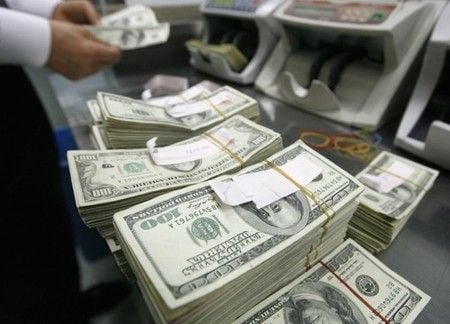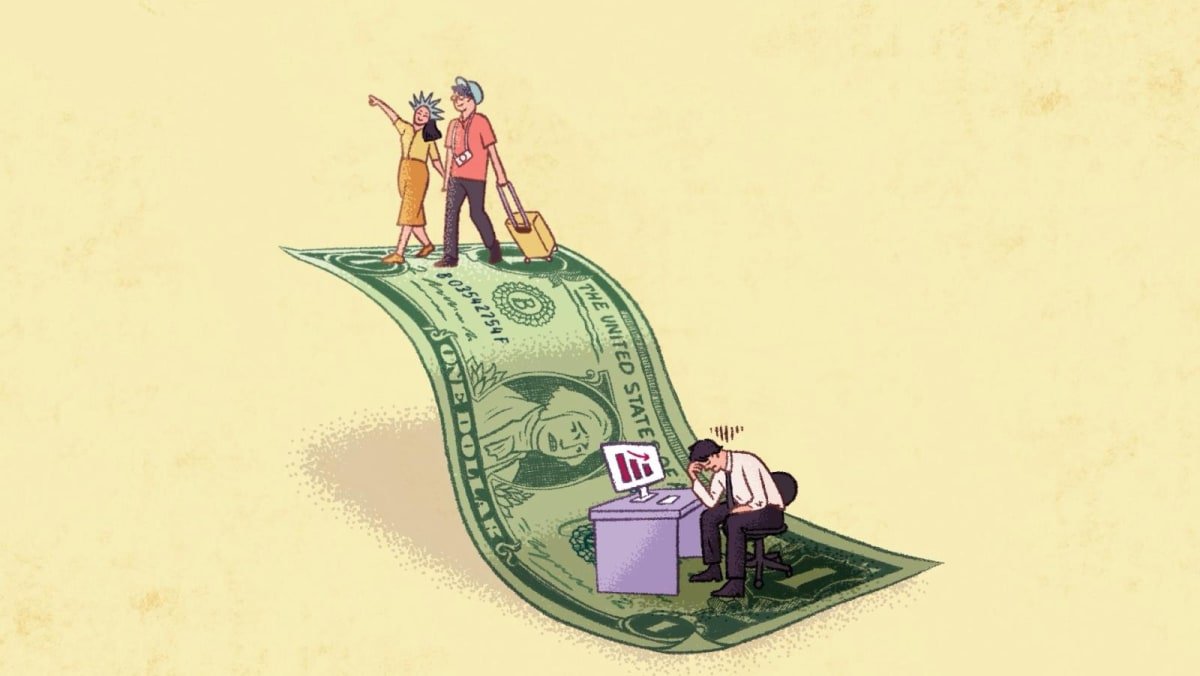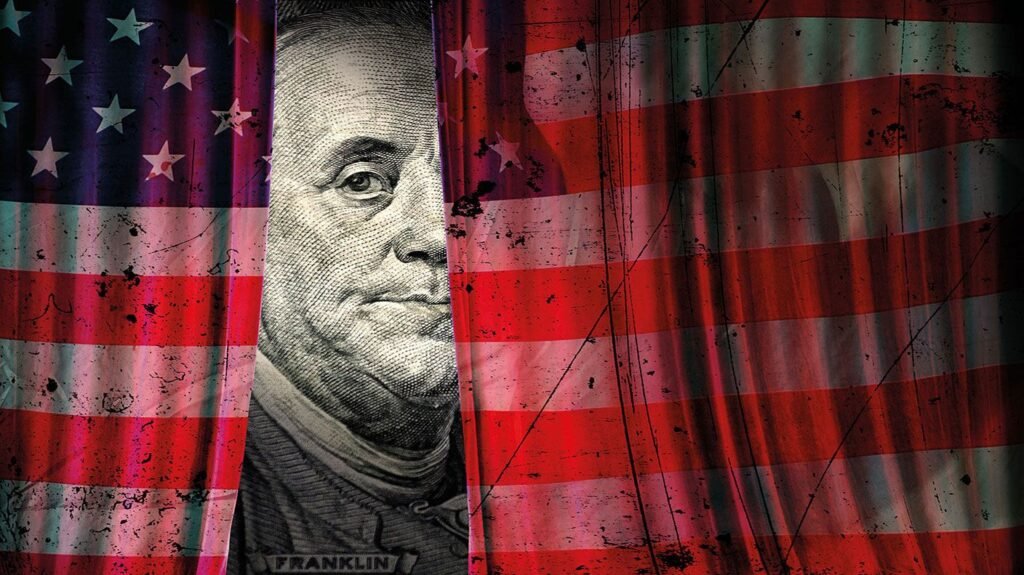
The US dollar has hit a two-year low as markets move firmly into “risk-on” mode. The US dollar index, which measures the greenback’s value against a basket of six major trading partners’ currencies, spiked during the March crisis as investors rushed into the traditional safe-haven of dollar assets. Yet massive central bank support and the prospect of a vaccine has since reversed the trend; the index has tumbled by 11% since 20 March. For the year to date the currency is down by more than 4% and this week hit its lowest level since April 2018. A pound currently buys about $1.33.
Despite the recent dip, it is the dollar’s prolonged strength that has been “one of the more monotonous motifs” of the last few years, says Buttonwood in The Economist. Analysts have repeatedly predicted an imminent reversal, only for the greenback to stay high and mighty. A persistently weaker dollar would be good news for emerging markets, where many debts are denominated in the currency. That would make servicing those loans cheaper in local currency terms, fuelling a “catch-up” rally in local shares.
Vaccines changed the trend
The dollar’s modest pullback is easy to explain, say Eva Szalay and Colby Smith in the Financial Times. “A vaccine changes everything.” Vaccines will hasten a general economic rebound, encouraging investors to move cash out of their US comfort zone and into other world markets. On average, traders predict the dollar will end 2021 down 3% from its current level, but some go much further. Calvin Tse of Citi thinks the currency could slip by 20% next year. Moves on that scale are exceedingly rare in currency markets.
Sign up to Money Morning
Don’t miss the latest investment and personal finances news, market analysis, plus money-saving tips with our free twice-daily newsletter
Don’t miss the latest investment and personal finances news, market analysis, plus money-saving tips with our free twice-daily newsletter
For all the chaos of 2020, forex markets have remained “eerily calm” writes Kenneth Rogoff on Project Syndicate. This year’s movements are nothing compared to the “wild gyrations” that followed 2008. That may be because the pandemic has struck everywhere, prompting governments and central banks to adopt broadly similar policies – turning on the fiscal taps and putting interest rates in a “cryogenic freeze” near zero. Yet the present trend, which pairs an “ever-rising share of US debt in world markets” with an “ever-falling” US share of world GDP cannot last forever. We are in the “calm before the exchange-rate storm”. There is another reason to think the dollar is heading down in the longer term, says Buttonwood. For much of the 2010s the currency has benefited from an interest-rate differential, but that is no longer the case.
Latest Videos FromMoneyWeek
Pre-crisis, US interest rates ran at about 1.75%, a far more attractive yield for investors than the zero or negative interest rates available in most other developed markets. Yet America this year joined its peers in near-zero land: today the Fed Funds rate sits at 0-0.25%. Look out below.