LONDON, Sept 11 (Reuters) – The pound rose slightly on
Friday after data showed UK growth beat expectations in July,
continuing a string of relatively upbeat readings for the
British economy.
British gross domestic product grew 0.4% in July, figures
from the Office for National Statistics showed, far outstripping
economists’ forecasts that the economy would flatline.
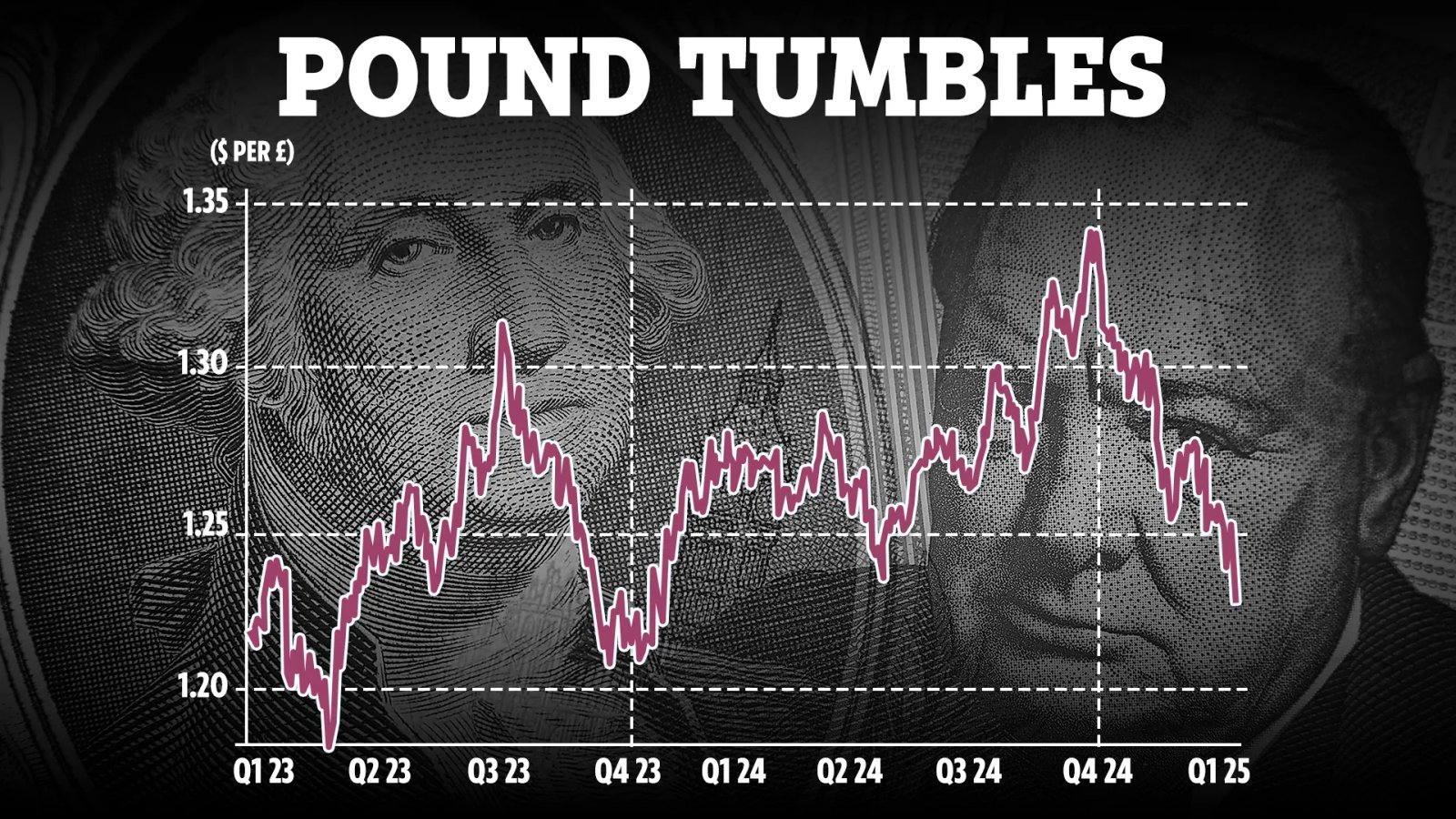
Sterling rose 0.1% to $1.352 and climbed a similar
amount against the euro. The euro zone’s currency was down 0.1%
against the pound to 85.84 pence.
Growth was driven by the services sector, which expanded
0.4% month-on-month, the figures showed.
Britain’s economy expanded 1% in the first half of the year,
the fastest growth in the G7, although some economists think
issues with seasonal adjustments could mean the figure is
overstated. That means it could beat the Bank of England’s
forecast of 1.1% growth in 2026, although some analysts think
the data could be revised lower.
Investment in AI is helping drive growth in sectors such as
telecoms and information services, said Sanjay Raja, chief UK
economist at Deutsche Bank.
“The UK growth story is becoming harder to ignore,” he said.
“Households and businesses are still spending – despite the
unfolding energy shock impacting disposable incomes.”
Britain’s economy has fared better than expected in the face
of rising energy costs due to the Iran war, but the threat to
growth still lingers, with Brent crude oil prices rising
to $110 a barrel for the first time since May.
The rise in energy costs has driven traders to ramp up their
bets on interest rate hikes and helped send bond yields to
multi-year or even multi-decade highs around the world.
Britain’s benchmark 10-year yield rose to its
highest since 2007 on Thursday near 5.4% while the 30-year yield
reached levels not seen since 1998 at almost 6%.
Yields rise as prices fall and vice versa.
Economists expect the Bank of England to hold interest rates
at 3.75% at its meeting next week, but traders are almost fully
pricing in a hike in November and expect roughly three more
increases by the middle of 2027.
However, BoE Governor Andrew Bailey on Tuesday said the
market pricing showed a “risk premium” that reflected worries in
the market about further energy price increases and that he
wanted to dispel the idea that it is just a matter of time
before the central bank raises interest rates.