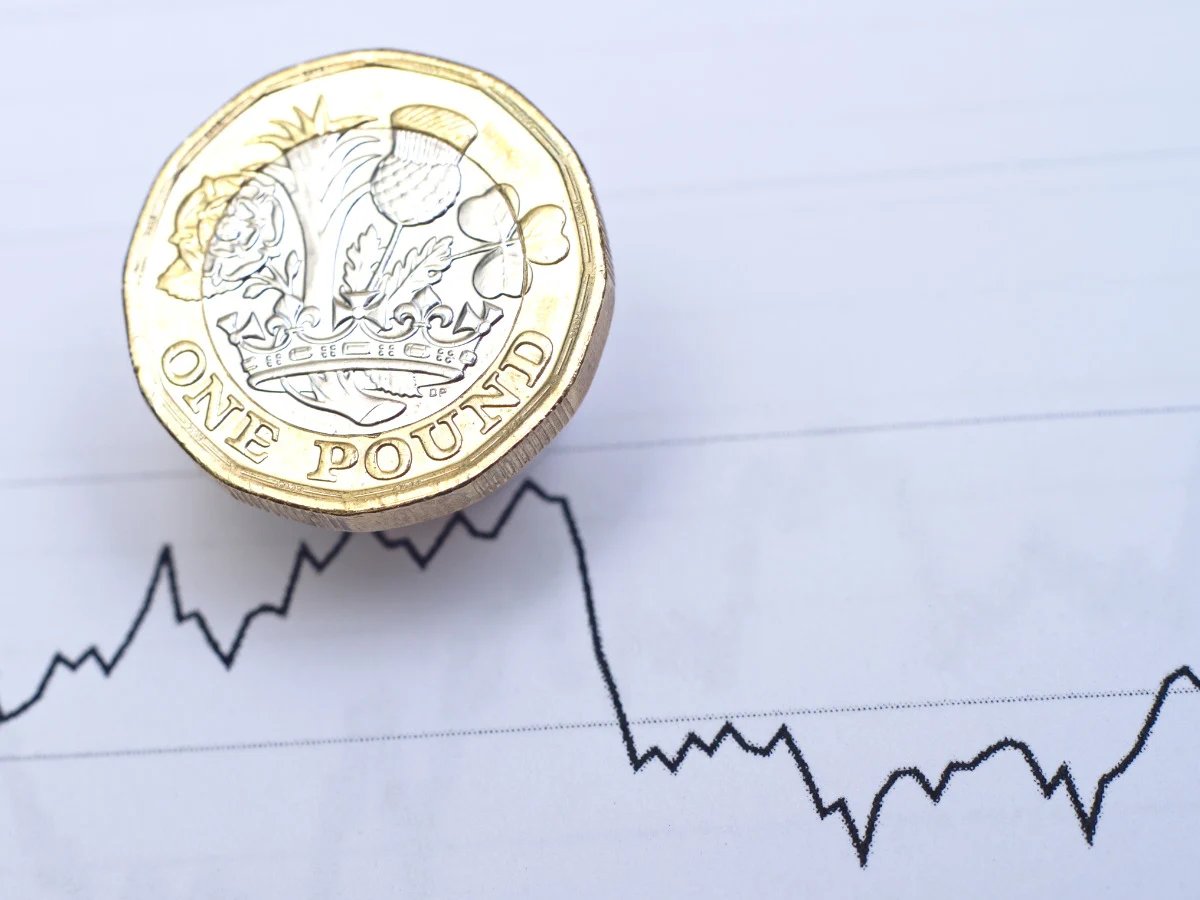

The Pound to Dollar (GBP/USD) exchange rate traded around 1.3547 on Monday after last week’s Dollar rebound knocked Sterling back from six-month highs.
Friday’s US employment report should determine whether that correction extends.
WEEKLY RECAP:
GBP/USD climbed above 1.3640 early last week before coming under sustained pressure, ending Friday at 1.3534.
The Dollar strengthened after Federal Reserve Chair Kevin Warsh used his Jackson Hole speech to underline continued concern over underlying inflation.
Markets subsequently raised the probability of a September rate increase, while Barclays switched its forecast to two further Fed hikes this year.
MUFG economists described Warsh’s message as hawkish, but added: “Overall, the speech was hawkish, but this is not new for Warsh.”
There remains disagreement over whether the Fed will actually deliver.
ING’s Francesco Pesole said: “we remain reasonably confident in our call for the Fed to hold on 16 September and, by extension, in a weaker dollar.”
The Dollar edged lower again on Monday as traders looked towards this week’s data.
Sterling has its own policy uncertainty.
BoE hike expectations softened last week, but recovering UK-US yield spreads have helped limit Pound selling.
Scotiabank noted that the recovery was “offering fundamental support” to Sterling, while its strategists continue to see the broader Dollar trend as lower.
Near-Term GBP/USD Forecast: US Payrolls Hold the Key
Tuesday brings UK manufacturing PMI and mortgage approvals, while US ISM manufacturing and JOLTS vacancies should provide the first important Dollar tests.
Wednesday’s ADP employment report is followed on Thursday by UK services PMI, US jobless claims and ISM services.
Friday combines UK construction PMI and a speech from BoE Governor Andrew Bailey with the crucial US payroll report.
Non-farm employment is forecast to increase by 55,000, unemployment to remain at 4.1% and hourly earnings to rise 0.3%.
Weak payrolls could return GBP/USD towards 1.3650.
Stronger hiring and hawkish Bailey caution would expose 1.3450.
Our currency coverage draws on live market data, official economic releases and published bank research.