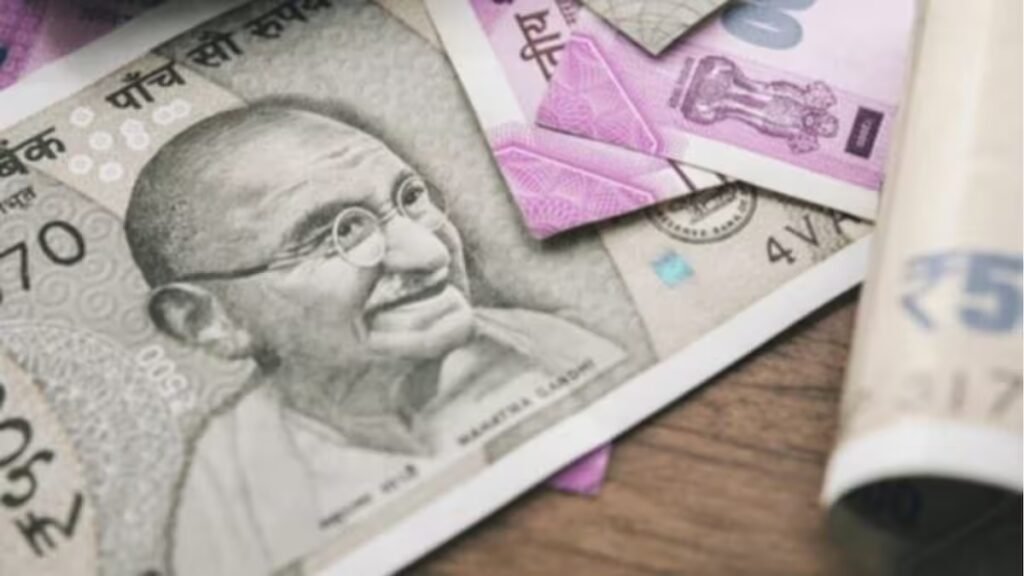
The Indian currency opened at 95.56 per US dollar, compared with Wednesday’s (August 19) close of 95.75, marking a rise of 19 bps.
In addition, the 10-year bond yield rose 4 bps to 6.86% after RBI minutes
Despite this uptick, the rupee continues to face pressure due to a worsening global risk environment and increasing oil prices, which contribute to its short-term negative outlook.
Meanwhile, another critical factor is the bond market, especially the US Treasury market, which breathed a sigh of relief as the yield on the 30-year Treasury bond fell sharply from 5.26% to a low of 5.18%.
In contrast, the 10-year yield, which significantly influences consumer borrowing rates, declined less, from 4.68% to a minimum of 4.63%.
This came to pass after the Department of the Treasury, under Scott Bessent, said it would double its buybacks of longer-term bonds, which have been selling off.
As per a Reuters report, the RBI anticipates nearly $80 billion in inflows through subsidised swap facilities initiated in June, aimed at strengthening foreign exchange reserves, as stated by central bank governor Sanjay Malhotra in an interview with the Financial Express newspaper on Thursday.
In the previous week, the Reserve Bank of India opted to terminate one of the schemes, a discounted swap facility for dollar deposits from non-resident Indians, sooner than expected.
Furthermore, crude oil prices remain the Achilles ‘ heel for the currency, as, amid the increasingly volatile situation in the conflict between Iran and US, the price of Brent has now hit a new recent high of the $92 mark.
Also Read: Japan’s exports grow at fastest pace since 2022 on cars
First Published: Aug 20, 2026 9:09 AM IST