A cautious US Federal Reserve under Kevin Warsh could keep global rates higher for longer, shaping the outlook for the rupee, Indian equities, bonds and foreign flows.
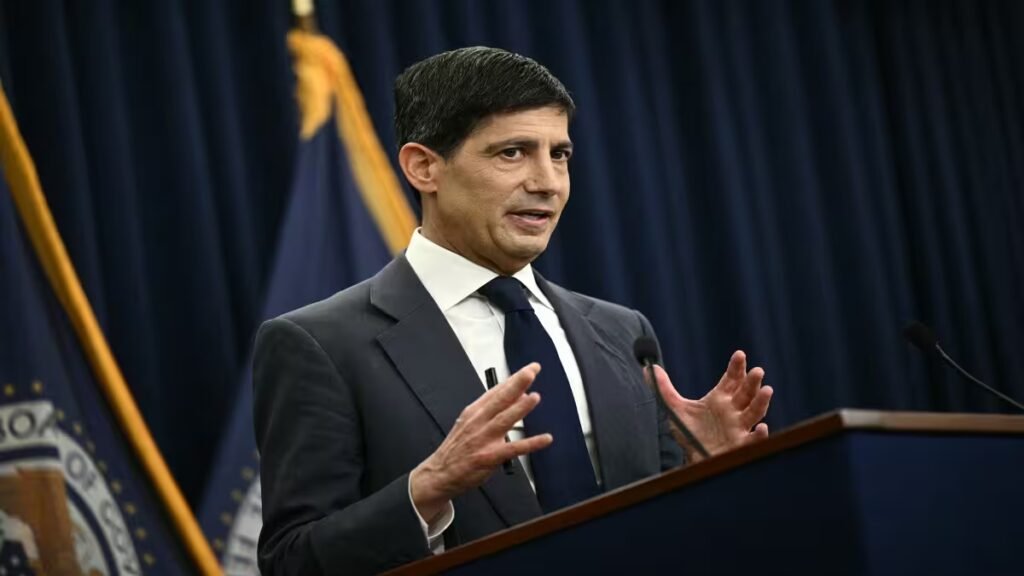
The US Federal Reserve’s new “watchful thinking” approach under Chair Kevin Warsh could keep global markets on alert, with the central bank signalling little urgency to change interest rates even as US inflation shows signs of cooling.
The Fed kept its benchmark interest rate unchanged at 3.50-3.75 per cent in July, with three hawkish dissenters highlighting continued concerns over inflation. UBS Wealth Management expects the Fed to remain on hold through the rest of 2026, with a shift towards lower rates more likely in 2027.
For India, the Fed’s cautious stance could have implications across the rupee, equities, bonds and foreign capital flows.
Rupee under pressure from a higher-for-longer Fed
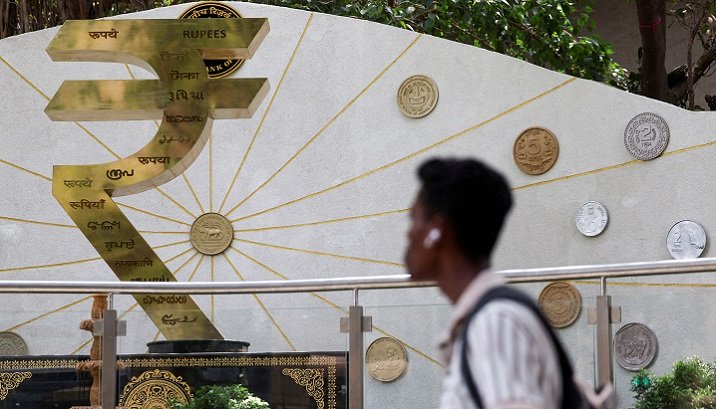
A prolonged period of elevated US interest rates can support the dollar by keeping US assets relatively attractive to global investors. For the Indian rupee, this could mean continued pressure if capital flows favour dollar-denominated assets.
The outlook, however, will also depend on India’s inflation trajectory, domestic growth, crude oil prices and the Reserve Bank of India’s policy stance.
Indian bonds could see a mixed impact
Higher US yields can put pressure on emerging-market bonds by making US Treasuries more attractive. A slower-than-expected Fed easing cycle could therefore limit the scope for sharp declines in Indian bond yields.
 More from Business
At the same time, if US inflation continues to moderate and the Fed eventually begins cutting rates in 2027, emerging-market debt could benefit from renewed global demand.
Equities face a balancing act
Indian equities could remain sensitive to shifts in US rate expectations. A higher-for-longer Fed can raise global funding costs and reduce the appeal of riskier assets, potentially affecting foreign portfolio investment into emerging markets.
However, UBS expects Fed policy to remain broadly supportive of US equities, while a gradual return to lower rates could eventually improve the global liquidity environment.
Why 2027 could be the bigger turning point
UBS expects slower US economic growth and renewed disinflation in the second half of 2026 to create room for a pivot towards lower policy rates in 2027.
That could become an important trigger for global markets, including India. Lower US rates typically reduce the relative attraction of dollar assets and can encourage flows towards emerging markets, while easing global financial conditions.
For now, however, Warsh’s message is one of patience. With inflation risks still being closely watched and policymakers divided on the outlook, the Fed appears prepared to wait for clearer evidence before making its next move.