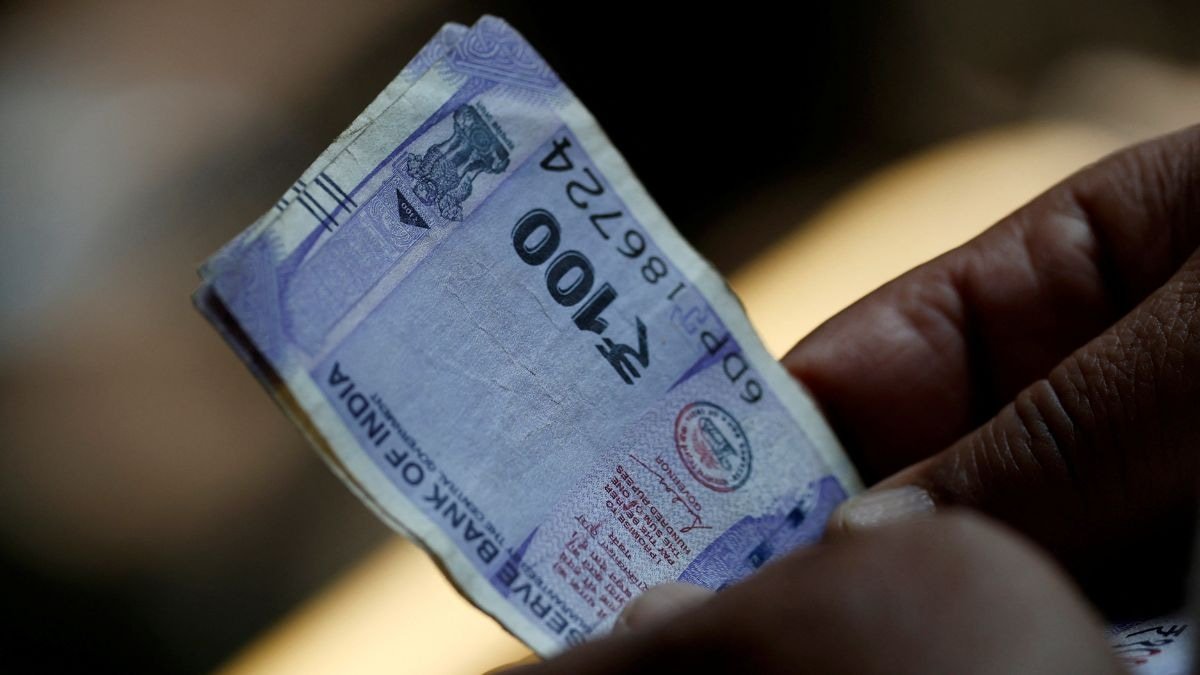
The rupee opened at 94.92/$ against Tuesday’s (August 4’s) close of 95.38/$, marking a gain of 46 paise. The move takes the currency to its strongest level in nearly a month and extends its recovery from recent lows to almost 2%.
Why is the rupee gaining?
The recent strength in the rupee has been driven largely by the sharp decline in crude oil prices. Brent crude has fallen from a recent peak of around $102 per barrel to below $79 per barrel, reducing pressure on India’s import bill.
Brent crude prices dropped 5.2% on Tuesday (August 4) and extended losses by another 1% in Asian trading after comments from Qatari and US officials raised expectations of a possible diplomatic resolution to the five-month-long Iran conflict.
A fall in oil prices typically supports the rupee as India, one of the world’s largest crude importers, spends fewer dollars on energy purchases.
“Oil price moves have been one of the biggest drivers of the rupee and its near-term direction. For the rupee to sustain current levels, crude prices need to remain contained,” a currency trader said.
RBI support, foreign inflows add to rupee recovery
Apart from lower crude prices, regular intervention by the Reserve Bank of India and stronger capital inflows following measures announced by the central bank in June have also supported the currency.
Market participants are now watching the RBI’s monetary policy decision due later on Wednesday (August 5). However, traders expect limited volatility from the policy outcome as expectations are largely centred around a status quo on interest rates.
According to a Reuters poll, 68 out of 72 economists expect the RBI to keep rates unchanged.
The central bank’s policy decision comes amid easing uncertainty around growth and inflation compared with the previous policy meeting, although risks from the West Asia situation and monsoon trends remain key factors for markets.
-With Reuters inputs