Key Takeaways
- USD/JPY is a major currency pair, expressing the value of the yen per U.S. dollar.
- The exchange rate is influenced by interest rate differentials and market risk appetite.
- USD/JPY is among the most liquid and frequently traded currency pairs globally.
- The yen is traditionally viewed as a “safe haven” currency during market stress.
- Japanese monetary policy and debt levels have impacted yen depreciation in recent years.
Get personalized, AI-powered answers built on 27+ years of trusted expertise.
What Is USD/JPY?
USD/JPY shows how many Japanese yen are needed to buy one U.S. dollar and is among the most liquid currency pairs in the forex market. It often behaves as a safe-haven indicator, and its value is heavily influenced by interest rate differences between the Federal Reserve and the Bank of Japan. The pair has a long history of sharp moves driven by shifts in global conditions and monetary policy.
How USD/JPY Trading Works
The value of the USD/JPY pair is quoted in Japanese yen per one U.S. dollar. For example, if the pair trades at 150, one U.S. dollar can be exchanged for 150 yen. The USD/JPY is affected by factors that influence the value of the U.S. dollar and the Japanese yen.
The interest rate differential between the policy rates of the Federal Reserve and the Bank of Japan (BoJ) is an important influence on the USD/JPY exchange rate. Higher interest rates make a currency relatively more attractive because they allow owners of assets denominated in that currency to earn a higher yield.
For example, if the federal funds rate were to increase from near zero to 2% while the BoJ’s policy rate remained near zero, the dollar would tend to strengthen against the yen because investors could now earn a significantly higher yield in dollar-denominated money markets. In 2022, the yen fell to a 24-year low against the dollar when the BoJ refused to follow other central banks in raising interest rates.
Effects of a Strong Dollar and Weak Yen
Japan’s low domestic interest rates amid deflation once turned the yen into a “safe haven” currency. Its value tended to rise during periods of market turmoil. At times of market stress, the flow of Japanese investment funds into higher-yielding foreign currencies like the U.S. dollar appreciates the yen against the dollar. This was evident during the Great Recession, which caused the USD/JPY rate to go from 120 in 2007 to less than 90 by 2009.
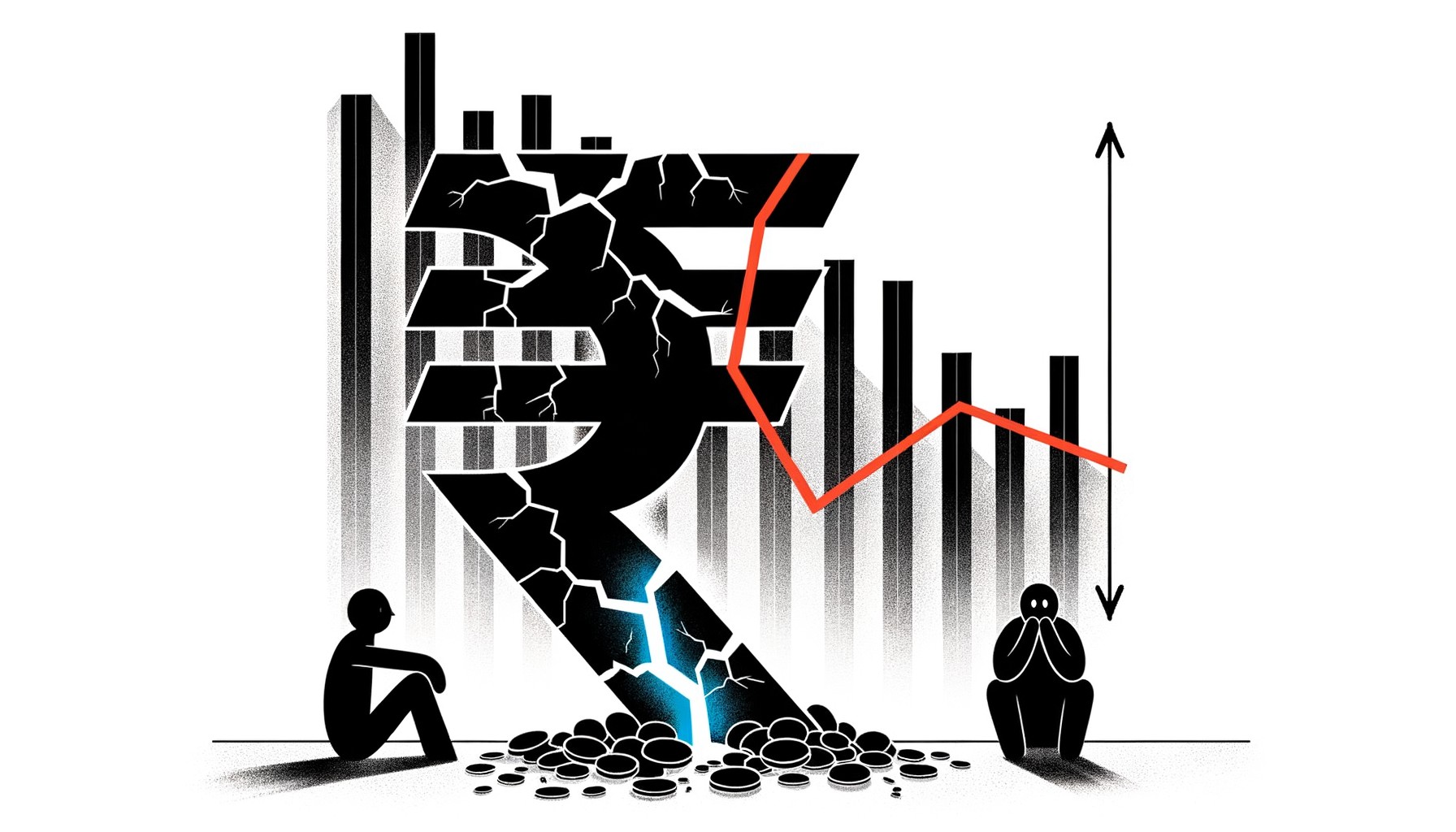
Conversely, the yen has tended to weaken when risk appetite in financial markets increases. In the years after the Great Recession, the yen slowly depreciated against the U.S. dollar as the global economy recovered. The weakening accelerated in 2013 when the Bank of Japan embarked on large-scale quantitative easing.
As of 2024, the Japanese yen has fallen more than any other G10 currency. The Bank of Japan did not follow other global central banks hiking after COVID-19, making the yen weak on Japan’s monetary policy. The weakness also stems from the country’s debt.
What Is a Carry Trade?
Low domestic interest rates in Japan once encouraged the country’s financial institutions to find higher yields overseas, a practice known as the carry trade. When such investment flows reverse in times of market stress, the yen will gain on the U.S. dollar.
What Is a Safe Haven Currency?
The USD/JPY has a positive correlation with USD/CHF (Swiss franc)because both currency pairs feature the U.S. dollar as the base currency and the Swiss franc is another currency with traditional safe haven appeal among investors. Safe haven currencies often appreciate during periods of risk aversion in financial markets.
How Is a Currency Pair Quoted?
A currency pair shows the value of one currency being quoted against the other. The first listed currency of a currency pair is called the base currency, and the second is called the quote currency.
The Bottom Line
USD/JPY is one of the world’s most traded currency pairs, showing how many yen are needed to buy one U.S. dollar. Its movements are driven largely by interest rate differences between the Federal Reserve and the Bank of Japan, with policy shifts sometimes leading to sharp swings. The yen often strengthens during market stress, a key factor for traders and for anyone using carry trade strategies.