Business
oi-Prakash KL

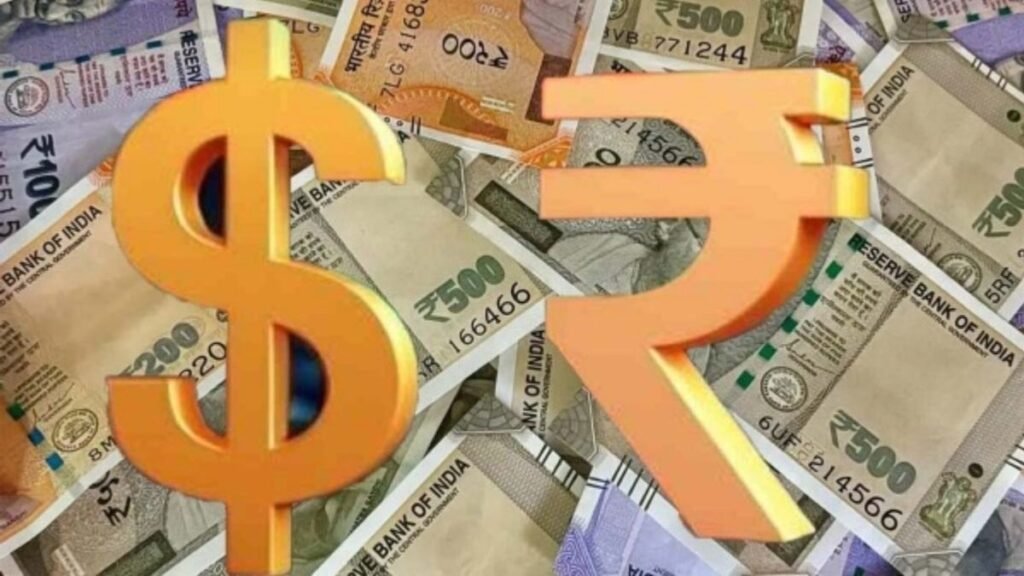
The Indian rupee weakened at the start of trade on June 2, opening at 95.06 against the US dollar, down 7 paise from its previous close of 94.99, as investors grappled with a renewed surge in crude oil prices and heavy foreign capital outflows.
The currency’s decline comes amid mounting concerns over geopolitical tensions in the Middle East, which have injected fresh uncertainty into global energy markets. Brent crude remained elevated near $95 a barrel after a sharp rally in the previous session, intensifying worries for major oil-importing nations, including India.
The Indian rupee weakened to 95.06 against the US dollar on June 2, driven by rising crude oil prices and heavy $2.5B foreign capital outflows, while RBI intervention contained losses amid geopolitical tensions.

Market sentiment has also been hit by sustained selling from foreign portfolio investors. Overseas funds have pulled out nearly $2.5 billion from Indian equities over the last two trading sessions, adding pressure on domestic financial markets.
Oil prices found support amid mixed signals surrounding developments in the Middle East. Iran has demanded an end to Israel’s military operations in Lebanon, while US President Donald Trump stated on June 1 that Israel had agreed to withdraw forces from southern Lebanon. The uncertainty surrounding the situation has kept traders on edge and contributed to volatility in crude markets.
Even as rising oil prices and foreign outflows create headwinds for the rupee, traders noted that interventions by the Reserve Bank of India have helped contain sharper losses in recent sessions. According to Reuters, market participants believe central bank action has prevented the currency from witnessing a more pronounced decline.
Analysts remain cautious about the rupee’s trajectory if geopolitical risks intensify. MUFG said the currency could face significant downside risks in the event of prolonged disruption around the Strait of Hormuz, with the USD/INR pair potentially moving toward 98 and even 100 under a severe escalation scenario.
Attention is now turning to the RBI’s Monetary Policy Committee meeting scheduled between June 3 and June 5. While economists largely expect policymakers to leave benchmark interest rates unchanged, expectations of a more hawkish tone have risen amid higher crude prices and concerns over weather-related risks to inflation.
The central bank is also expected to reassess its inflation and growth projections for FY27. With oil prices climbing and forecasts pointing to a below-normal monsoon, markets will closely watch the RBI’s commentary for clues on the future policy path.
With inputs from agencies